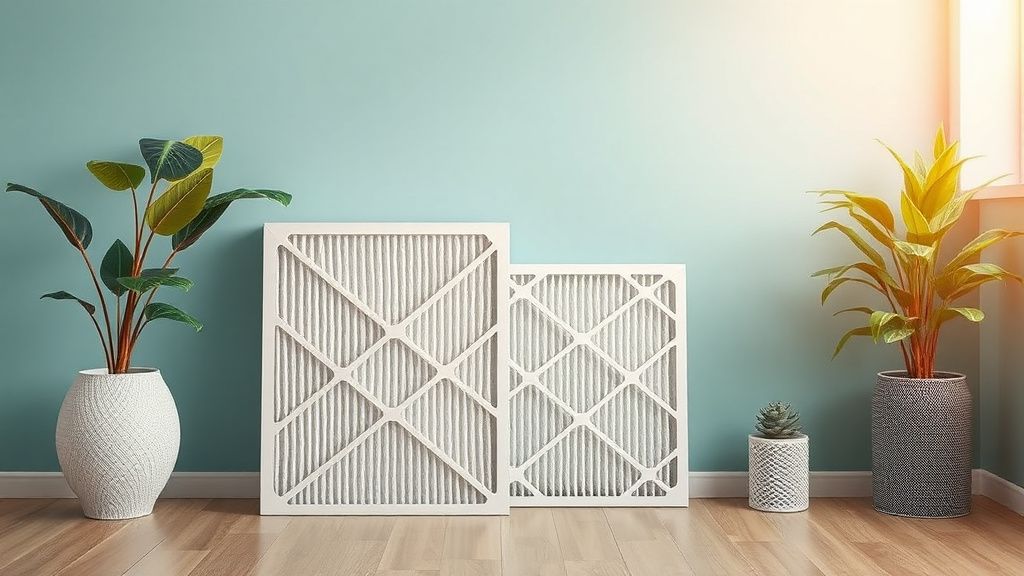
A Beginner’s Guide to Improving Air Quality in Every Room
Poor indoor air quality can lead to allergies, respiratory issues, and general discomfort. Fortunately, improving air quality doesn’t require a complete home overhaul—small changes in each room can make a big difference. This guide covers practical steps to enhance air quality, focusing on HVAC systems, air filters, purifiers, and ventilation.
Understanding Indoor Air Pollutants
Before making changes, it’s important to recognize common indoor air pollutants:
- Dust and allergens (pet dander, pollen, dust mites)
- Volatile Organic Compounds (VOCs) from cleaning products, paints, and furniture
- Mold and mildew from excess humidity
- Smoke and odors from cooking or tobacco
Each room has unique challenges, so targeted solutions work best.
Living Room: Reducing Dust and VOCs
Phone cases · Sponsored · 15% off first order
Phone Case Gift — They pick the model · 2 minutes Code FIRST15GIFT
The living room often contains upholstered furniture, carpets, and electronics that trap dust and emit VOCs.
HVAC and Air Filters
- Upgrade your furnace filter: Use a MERV 8–13 filter for optimal balance between filtration and airflow. Higher MERV ratings (13+) capture smaller particles but may strain older HVAC systems.
- Check filter replacement schedules: Replace every 1–3 months, depending on usage and pet presence.
Air Purifiers
- HEPA purifiers: Effective for trapping dust, pollen, and pet dander. Look for True HEPA filters, which capture 99.97% of particles as small as 0.3 microns.
- Activated carbon filters: Help reduce VOCs and odors.
Ventilation Tips
- Open windows periodically to circulate fresh air.
- Use exhaust fans if connected to an HVAC system.
Kitchen: Combating Smoke and Grease
Cooking releases smoke, grease, and moisture, which can linger and degrade air quality.
Range Hoods and Ventilation
- Ducted range hoods: Vent pollutants outside rather than recirculating them.
- Use exhaust fans: Run them during and after cooking to remove lingering particles.
Air Purifiers
- Grease-resistant filters: Some purifiers have washable pre-filters for grease.
- Carbon filters: Useful for neutralizing cooking odors.
Humidity Control
- Use a dehumidifier if steam from cooking raises humidity above 50%, which encourages mold growth.
Bedroom: Minimizing Allergens for Better Sleep
Phone cases · Sponsored · 15% off first order
Titan Case — Precision fit · 2,000+ designs Code FIRST15TIT
Dust mites, pet dander, and mold spores thrive in bedrooms, especially on bedding and carpets.
Mattress and Bedding
- Use allergen-proof mattress and pillow covers.
- Wash bedding weekly in hot water (130°F+) to kill dust mites.
Air Purifiers
- Quiet HEPA purifiers: Ideal for nighttime use; look for models with a “sleep mode” for minimal noise.
- UV-C purifiers: Some models use UV light to neutralize bacteria and mold spores.
HVAC Tips
- Keep bedroom doors open to allow air circulation from central HVAC systems.
- Replace filters before peak allergy seasons (spring and fall).
Bathroom: Preventing Mold and Excess Humidity
Bathrooms are prone to mold due to high humidity from showers.
Exhaust Fans
- Run exhaust fans during and 20–30 minutes after showers.
- Ensure fans vent outside, not into attics or crawl spaces.
Dehumidifiers
- Small desiccant dehumidifiers work well in bathrooms without windows.
Cleaning Habits
- Use VOC-free cleaners to avoid chemical buildup.
- Scrub tile grout regularly to prevent mold growth.
Home Office: Tackling Dust and Electronics Emissions
Phone cases · Sponsored · 15% off first order
Phone Cases For Charity — Every case supports a cause Code GIVE10Electronics and poor ventilation can make home offices stuffy.
Air Purifiers
- Compact HEPA purifiers fit well on desks.
- Ionizers (optional): Some purifiers use ions to reduce static and dust, but research their effectiveness for your needs.
Ventilation
- Position desks near windows if possible.
- Take breaks to open windows and refresh air.
Basement and Laundry Room: Controlling Mold and Lint
Basements often have poor airflow, while laundry rooms generate lint and detergent fumes.
Dehumidifiers
- Basements: Use a 50-pint+ dehumidifier for larger spaces.
- Laundry rooms: Ensure proper venting for dryers to avoid lint buildup.
Air Filters
- If your HVAC system serves the basement, use MERV 11+ filters to capture finer particles.
What to Look for in Air Quality Products
When selecting air filters, purifiers, or dehumidifiers, consider:
Air Filters
- MERV Rating: 8–13 for most homes; higher if no HVAC strain.
- Filter Depth: Thicker filters (4–5 inches) last longer and improve airflow.
Air Purifiers
- CADR Rating: Higher numbers indicate faster pollutant removal.
- Filter Types: HEPA + carbon for allergens and odors.
Dehumidifiers
- Capacity: Match pint capacity to room size (e.g., 30-pint for 500 sq ft).
- Auto-humidistat: Maintains ideal humidity (30–50%).
Final Tips for Whole-Home Air Quality
- Regular Maintenance: Change HVAC filters, clean ducts, and service systems annually.
- Source Control: Reduce pollutants by choosing low-VOC products and banning smoking indoors.
- Monitor Air Quality: Use inexpensive air quality monitors to track PM2.5, VOCs, and humidity.
By addressing each room’s unique needs, you can create a healthier, more comfortable home environment. Start small—upgrading filters or adding a purifier—and build from there.
Our picks worth a closer look
- Filtrete 16x25x1 AC Furnace Air Filter, MPR 1000 MERV 11Check on Amazon → — see current price and specs.
- Utopia Bedding Bed Pillows for Sleeping Queen Size (Blue), Set of 6, Cooling HotCheck on Amazon → — see current price and specs.