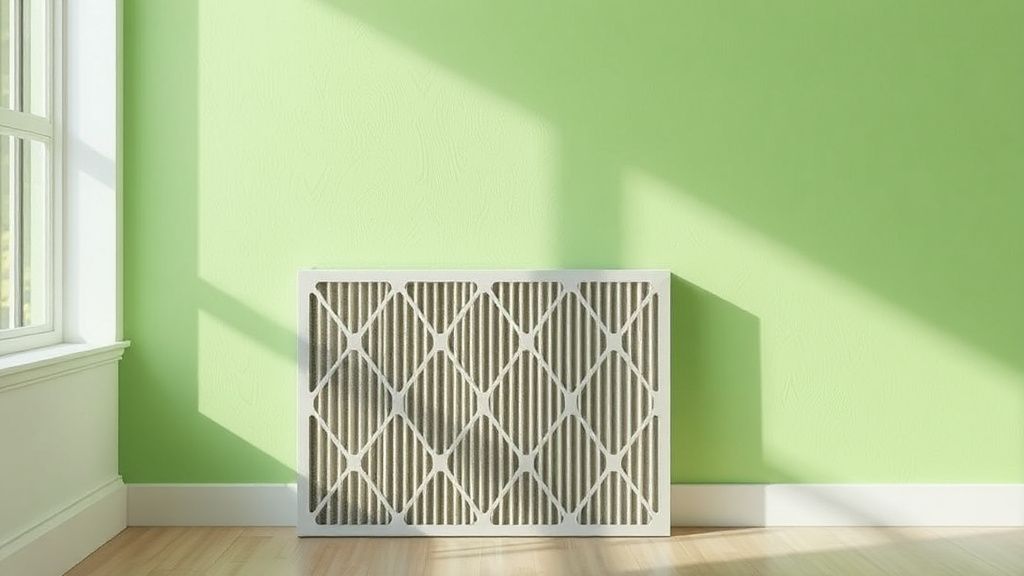
Air Filter Materials Explained: Which One Is Right for You?
Choosing the right air filter for your home can significantly impact indoor air quality, HVAC efficiency, and even your energy bills. With so many materials and types available, it’s essential to understand how each one works and which is best suited for your needs. Below, we break down the most common air filter materials, their pros and cons, and how they fit into different home environments.
Fiberglass Filters
Phone cases · Sponsored · 15% off first order
Phone Case Gift — They pick the model · 2 minutes Code FIRST15GIFT
Fiberglass filters are the most basic and affordable option. They consist of layered fiberglass fibers spun into a flat panel, often reinforced with a metal grating for stability.
Pros:
- Low cost – Ideal for budget-conscious homeowners.
- Minimal airflow restriction – Reduces strain on HVAC systems.
- Disposable – Easy to replace every 30 days.
Cons:
- Low filtration efficiency – Typically captures only large particles like dust and lint (MERV 1-4).
- Not suitable for allergies – Does not trap smaller allergens like pollen or pet dander.
Best for: Homes with minimal air quality concerns, used primarily to protect HVAC equipment rather than improve air quality.
Pleated Polyester & Cotton Filters
Pleated filters are made from folded polyester or cotton-blend fabric, increasing surface area for better particle capture. They often come in MERV 5-13 ratings.
Pros:
- Better filtration – Captures smaller particles like mold spores and pet dander.
- Longer lifespan – Can last 60-90 days depending on usage.
- Balanced airflow – Efficient without overworking the HVAC system.
Cons:
- Moderate cost – More expensive than fiberglass but still affordable.
- Not HEPA-grade – Won’t filter ultrafine particles like viruses.
Best for: Most households looking for a balance between cost, filtration, and airflow.
Electrostatic Filters
Phone cases · Sponsored · 15% off first order
Titan Case — Precision fit · 2,000+ designs Code FIRST15TIT
Electrostatic filters use self-charging fibers (either washable or disposable) to attract and trap particles. They come in both flat and pleated styles.
Pros:
- High efficiency – Can achieve MERV 8-16 ratings, capturing smoke and bacteria.
- Reusable option – Washable versions save money over time.
- Good for allergies – Effective against smaller allergens.
Cons:
- Higher initial cost – Washable models are more expensive upfront.
- Maintenance required – Reusable filters need regular cleaning.
Best for: Allergy sufferers or homes with pets, especially if you prefer a reusable option.
Activated Carbon Filters
These filters contain a layer of activated charcoal, which adsorbs odors, chemicals, and volatile organic compounds (VOCs). They’re often combined with other filter media.
Pros:
- Odor and chemical removal – Great for kitchens, smoke, or households with strong cleaning product use.
- No harmful byproducts – Doesn’t release trapped pollutants back into the air.
Cons:
- Limited particle filtration – Usually paired with another filter for dust/allergens.
- Shorter lifespan – Carbon loses effectiveness over time.
Best for: Homes needing odor control, but should be used alongside a particulate filter.
HEPA Filters
Phone cases · Sponsored · 15% off first order
Phone Cases For Charity — Every case supports a cause Code GIVE10High-Efficiency Particulate Air (HEPA) filters are the gold standard for air purification, capturing 99.97% of particles as small as 0.3 microns.
Pros:
- Exceptional filtration – Removes dust mites, bacteria, and even some viruses.
- Ideal for allergies/asthma – Highly recommended by health professionals.
Cons:
- Not all HVAC compatible – Many systems can’t handle HEPA’s high resistance.
- Expensive – Requires frequent replacement or a dedicated air purifier.
Best for: Standalone air purifiers or specialized HVAC systems in homes with severe allergies or respiratory concerns.
UV-C Light Filters
UV-C filters use ultraviolet light to kill bacteria, viruses, and mold spores. They’re often installed inside ductwork.
Pros:
- Germicidal action – Destroys microorganisms rather than trapping them.
- Low maintenance – Bulbs need replacement annually.
Cons:
- No particle removal – Must be paired with another filter.
- Limited effectiveness – Works only when air passes slowly under the light.
Best for: Supplementing another filter in homes concerned about microbial growth.
What to Look for in an Air Filter
When selecting an air filter, consider:
- MERV Rating – For most homes, MERV 8-13 offers a good balance of filtration and airflow.
- Filter Thickness – Thicker filters (4-5 inches) last longer and often have better efficiency.
- HVAC Compatibility – Check your system’s specifications to avoid excessive static pressure.
- Allergen Needs – Homes with pets or allergies benefit from higher MERV or HEPA filters.
- Maintenance – Decide if you prefer disposable or washable options.
By matching the filter material to your home’s specific needs, you can improve air quality without sacrificing HVAC performance. Whether you prioritize cost, filtration, or odor control, there’s an air filter designed to work for you.
Our picks worth a closer look
- Filtrete 16x25x1 AC Furnace Air Filter, MPR 1000 MERV 11Check on Amazon → — see current price and specs.
- GE MWF Refrigerator Water FilterCheck on Amazon → — see current price and specs.