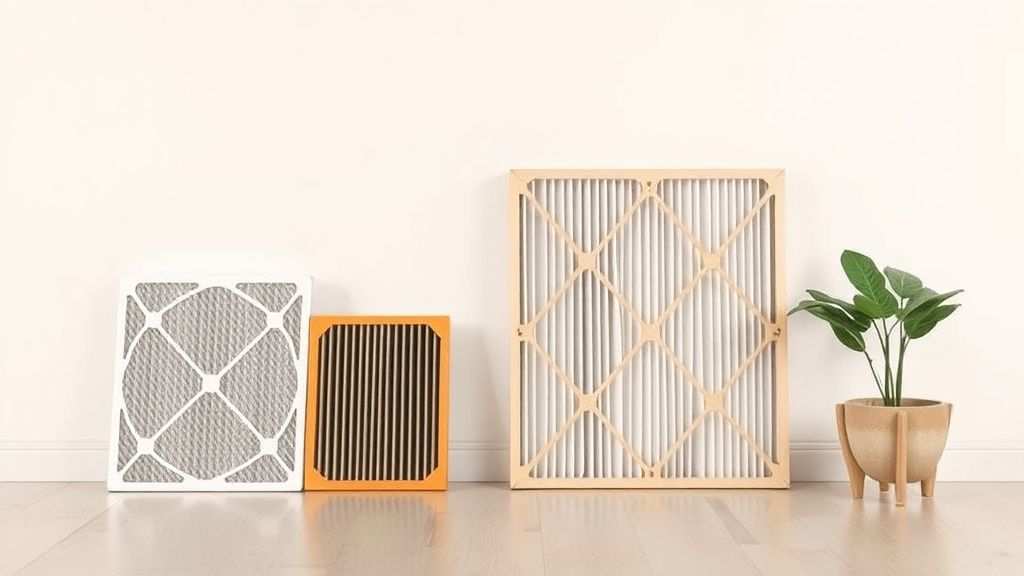
Why Air Filters Are Crucial for HVAC System Health
Your HVAC system is one of the most expensive investments in your home, and protecting it from damage is essential. Air filters play a critical role in maintaining the longevity and efficiency of your HVAC system by trapping dust, debris, and other contaminants before they enter the system. Without a proper air filter, these particles can accumulate on critical components like the blower motor, evaporator coil, and heat exchanger, leading to reduced efficiency, higher energy bills, and costly repairs.
Choosing the right air filter not only improves indoor air quality but also ensures your HVAC system operates smoothly for years to come. In this article, we’ll explore the best types of air filters for preventing HVAC system damage and what to look for when making your selection.
Types of Air Filters for HVAC Systems
Phone cases · Sponsored · 15% off first order
Phone Case Gift — They pick the model · 2 minutes Code FIRST15GIFT
1. Pleated Air Filters
Pleated air filters are one of the most popular choices for homeowners due to their balance of efficiency and affordability. These filters are made from folded polyester or cotton fabric, creating a larger surface area to trap particles. They typically have a MERV (Minimum Efficiency Reporting Value) rating between 8 and 13, making them effective at capturing dust, pollen, and mold spores.
Why They’re Great for HVAC Systems: Pleated filters strike a good balance between airflow and filtration. They prevent larger particles from entering the system without restricting airflow, which can strain the HVAC motor.
2. High-Efficiency Particulate Air (HEPA) Filters
HEPA filters are the gold standard for air filtration, capable of capturing 99.97% of particles as small as 0.3 microns. These filters are often used in air purifiers but are also available for HVAC systems. However, they typically have a MERV rating of 17 or higher, which can restrict airflow if your system isn’t designed to handle them.
Why They’re Great for HVAC Systems: If your HVAC system is compatible, HEPA filters provide superior protection against fine particles like bacteria, viruses, and smoke. They prevent these contaminants from clogging sensitive components, though they may require more frequent replacement.
3. Washable Air Filters
Washable air filters are reusable and eco-friendly options made from durable materials like aluminum or polypropylene. These filters can be cleaned with water and reused multiple times, making them a cost-effective choice in the long run. However, they generally have lower MERV ratings, ranging from 1 to 4.
Why They’re Great for HVAC Systems: While washable filters don’t capture as many fine particles, they are effective at trapping larger debris like lint and pet hair. Their low MERV rating ensures minimal airflow restriction, reducing strain on your HVAC system.
4. Electrostatic Air Filters
Electrostatic air filters use self-charging fibers to attract and trap particles. They are available in both disposable and washable versions and typically have MERV ratings between 8 and 12. These filters are particularly effective at capturing smaller particles like smoke and allergens.
Why They’re Great for HVAC Systems: Electrostatic filters offer strong filtration without significantly restricting airflow. Their ability to capture smaller particles helps protect the HVAC system’s internal components from buildup.
5. Fiberglass Air Filters
Fiberglass filters are the most basic and affordable option. They consist of a single layer of fiberglass material and have low MERV ratings, usually between 1 and 4. While they are effective at trapping larger particles, they offer minimal protection against smaller contaminants.
Why They’re Great for HVAC Systems: Fiberglass filters are ideal for homes with minimal air quality concerns. They provide basic protection against large debris while allowing maximum airflow, reducing strain on the HVAC system.
How MERV Ratings Impact HVAC System Health
The MERV rating of an air filter indicates its ability to capture particles of different sizes. While higher MERV ratings provide better filtration, they can also restrict airflow if your HVAC system isn’t designed to handle them. Here’s how MERV ratings affect your HVAC system:
- MERV 1-4: Basic filtration for large particles. Ideal for protecting HVAC systems from debris but offers minimal air quality improvement.
- MERV 5-8: Moderate filtration for dust, pollen, and mold spores. Suitable for most residential HVAC systems.
- MERV 9-12: Enhanced filtration for smaller particles like pet dander and fine dust. Provides good protection for HVAC components.
- MERV 13-16: High-efficiency filtration for bacteria, smoke, and viruses. Best for systems designed to handle restricted airflow.
- MERV 17+: HEPA-level filtration. Requires specialized HVAC systems to avoid airflow issues.
For most homeowners, a filter with a MERV rating between 8 and 12 offers the best balance of HVAC protection and airflow efficiency.
What to Look for in an Air Filter
Phone cases · Sponsored · 15% off first order
Titan Case — Precision fit · 2,000+ designs Code FIRST15TIT
When selecting an air filter to protect your HVAC system, consider the following factors:
- MERV Rating: Choose a filter with a MERV rating that matches your HVAC system’s specifications. Avoid going too high if your system isn’t designed for restricted airflow.
- Filter Size: Ensure the filter fits snugly in your HVAC system. A poorly fitting filter can allow unfiltered air to bypass it, reducing its effectiveness.
- Replacement Frequency: Opt for a filter that you can replace or clean regularly. A clogged filter can strain your HVAC system and reduce its efficiency.
- Airflow Resistance: Check the filter’s pressure drop rating. Lower pressure drop means less strain on your HVAC system.
- Specific Needs: If you have pets, allergies, or live in a high-pollution area, consider a filter with enhanced filtration capabilities.
Conclusion
Investing in the right air filter is a simple yet effective way to protect your HVAC system from damage and ensure it runs efficiently for years to come. Whether you choose pleated, HEPA, washable, electrostatic, or fiberglass filters, understanding their features and MERV ratings will help you make an informed decision. By selecting a filter that balances filtration efficiency with airflow, you can safeguard your HVAC system while improving your home’s air quality.
Our picks worth a closer look
Phone cases · Sponsored · 15% off first order
Phone Cases For Charity — Every case supports a cause Code GIVE10- Filtrete 16x25x1 AC Furnace Air Filter, MPR 1000 MERV 11Check on Amazon → — see current price and specs.
- Filtrete Healthy Living Ultra Allergen 16x25x1, MERV 13Check on Amazon → — see current price and specs.