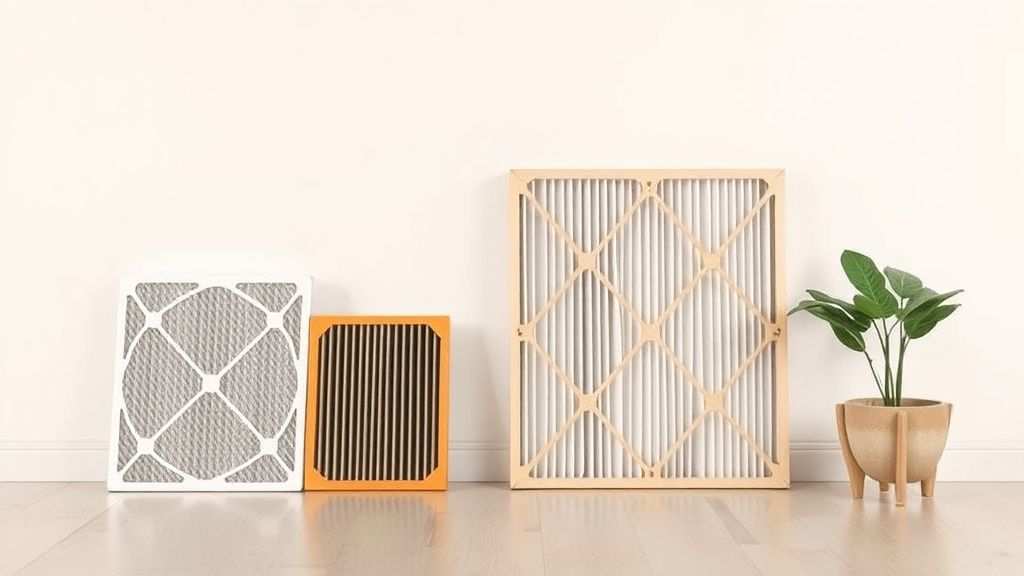
Why Air Quality Matters in Data Centers and Server Rooms
Data centers and server rooms are critical environments where maintaining optimal air quality is essential. These spaces house sensitive electronic equipment that generates heat and is vulnerable to dust, particulate matter, and airborne contaminants. Poor air quality can lead to overheating, equipment failure, and costly downtime. Air purifiers designed for these environments help mitigate these risks by removing pollutants and maintaining clean air circulation.
Common Air Pollutants in Data Centers
Phone cases · Sponsored · 15% off first order
Phone Case Gift — They pick the model · 2 minutes Code FIRST15GIFT
Understanding the types of pollutants present in data centers is crucial for selecting the right air purifier. Common contaminants include:
- Dust and Particulate Matter: Accumulates on servers and cooling systems, reducing efficiency.
- Volatile Organic Compounds (VOCs): Emitted by equipment, adhesives, and cleaning products.
- Static Electricity: Dust particles can increase static buildup, damaging sensitive components.
- Gases and Odors: Harmful gases like sulfur dioxide or nitrogen oxides can corrode equipment.
Types of Air Purifiers for Data Centers
Not all air purifiers are suited for data centers and server rooms. Here are the most effective types:
1. HEPA Air Purifiers
HEPA (High-Efficiency Particulate Air) filters are ideal for capturing dust, pollen, and other particulate matter. They can remove up to 99.97% of particles as small as 0.3 microns. Look for HEPA purifiers with high airflow rates to ensure efficient circulation in large server rooms.
2. Activated Carbon Air Purifiers
Activated carbon filters excel at absorbing VOCs, odors, and gases. These purifiers are particularly useful in environments where equipment emits harmful chemicals or where cleaning products are used frequently. Combining HEPA and activated carbon filters provides comprehensive protection.
3. Electrostatic Precipitators
These devices use electrostatic charges to capture particles from the air. They are effective for removing fine dust and smoke, but they require regular cleaning to maintain efficiency. Electrostatic precipitators are a good choice for environments with high dust levels.
4. Ultraviolet (UV) Air Purifiers
UV purifiers use ultraviolet light to kill bacteria, viruses, and mold spores. While not essential for all data centers, they can be beneficial in environments where microbial growth is a concern. UV purifiers are often used in conjunction with other filtration systems.
5. Desiccant Dehumidifiers
High humidity can cause condensation and corrosion in server rooms. Desiccant dehumidifiers remove excess moisture from the air, protecting equipment from humidity-related damage.
Key Features to Consider
Phone cases · Sponsored · 15% off first order
Titan Case — Precision fit · 2,000+ designs Code FIRST15TIT
When selecting an air purifier for a data center or server room, consider the following features:
1. Airflow Capacity
Data centers require high airflow to ensure consistent cooling and air circulation. Choose a purifier with a high Clean Air Delivery Rate (CADR) to handle the volume of air in the space.
2. Filter Efficiency
Look for purifiers with HEPA filters for particulate matter and activated carbon filters for gases and odors. Check the MERV (Minimum Efficiency Reporting Value) rating—higher ratings indicate better filtration.
3. Energy Efficiency
Server rooms already consume significant energy. Opt for ENERGY STAR-certified purifiers to minimize additional power usage.
4. Noise Levels
While noise may not be a primary concern in server rooms, quieter purifiers are preferable in environments where technicians work regularly.
5. Maintenance Requirements
Consider how often filters need to be replaced or cleaned. Systems with washable filters or long-lasting HEPA filters reduce maintenance efforts.
6. Size and Portability
Ensure the purifier is appropriately sized for the space. Portable units are useful for smaller server rooms, while larger systems may be necessary for expansive data centers.
What to Look for in an Air Purifier
When choosing an air purifier for a data center or server room, prioritize the following:
- High CADR Rating: Ensures efficient air circulation in large spaces.
- Combined HEPA and Activated Carbon Filtration: Offers comprehensive protection against particles and gases.
- Low Energy Consumption: Minimizes additional power usage.
- Low Noise Levels: Reduces disturbance in operational environments.
- Ease of Maintenance: Look for washable filters or long-lasting replacements.
- Compact Design: Fits seamlessly into server room layouts.
Conclusion
Phone cases · Sponsored · 15% off first order
Phone Cases For Charity — Every case supports a cause Code GIVE10Investing in the right air purifier for your data center or server room is essential for protecting sensitive equipment and ensuring uninterrupted operations. By understanding the specific air quality challenges in these environments and selecting a purifier with the right features, you can safeguard your infrastructure and extend the lifespan of your hardware. Whether you opt for a HEPA purifier, an activated carbon system, or a combination of technologies, prioritizing clean air will pay dividends in performance and reliability.
Our picks worth a closer look
- Filtrete 16x25x1 AC Furnace Air Filter, MPR 1000 MERV 11Check on Amazon → — see current price and specs.