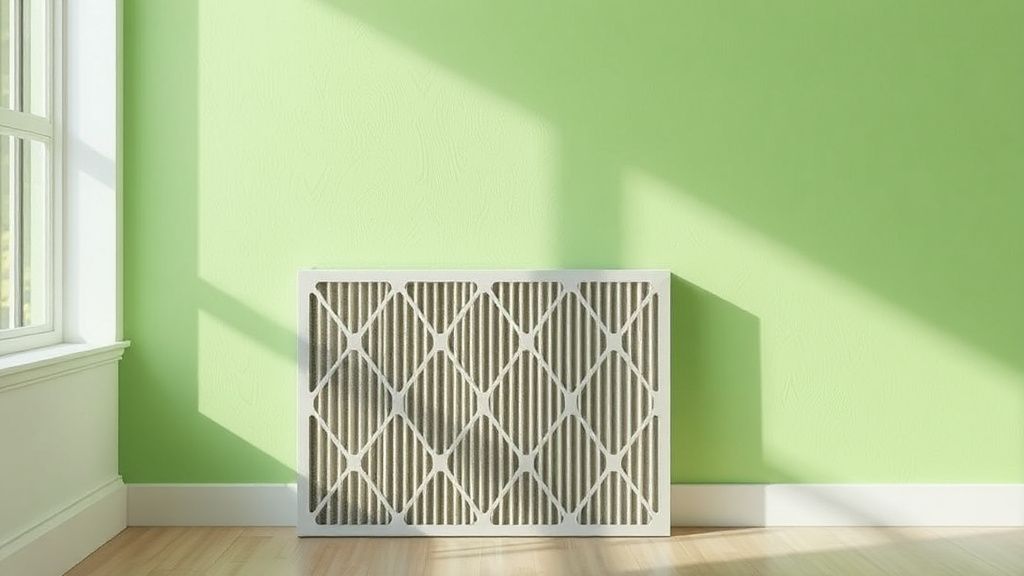
Best Air Purifiers for Indoor Farming and Grow Rooms: Optimal Conditions
Indoor farming and grow rooms require precise environmental control to ensure healthy plant growth. Air quality plays a critical role in preventing mold, mildew, pests, and airborne pathogens that can harm crops. The right air purifier can help maintain optimal conditions by filtering contaminants, regulating humidity, and improving airflow. Below, we explore the best types of air purifiers for indoor agriculture and key features to consider.
Why Air Purifiers Matter in Indoor Farming
Phone cases · Sponsored · 15% off first order
Phone Case Gift — They pick the model · 2 minutes Code FIRST15GIFT
Plants thrive in clean environments, but indoor grow rooms often face challenges like:
- Mold and Mildew: High humidity levels create ideal conditions for fungal growth.
- Pests and Pathogens: Airborne pests like spider mites or fungal spores can spread quickly.
- Volatile Organic Compounds (VOCs): Some growing systems release VOCs that can affect plant health.
- Dust and Particulates: Accumulated dust can clog plant stomata, reducing photosynthesis efficiency.
A high-quality air purifier mitigates these risks by filtering airborne particles, controlling humidity, and ensuring proper air circulation.
Types of Air Purifiers for Grow Rooms
1. HEPA Air Purifiers
HEPA (High-Efficiency Particulate Air) filters capture 99.97% of particles as small as 0.3 microns, including mold spores, dust, and pollen. They are ideal for:
- Preventing mold and mildew.
- Reducing airborne pathogens.
- Keeping dust levels low.
Best for: Small to medium grow rooms where particulate control is a priority.
2. Activated Carbon Air Purifiers
These purifiers use activated carbon to adsorb odors, VOCs, and chemical fumes—common in hydroponic or nutrient-rich setups.
- Eliminates strong odors from fertilizers or organic matter.
- Reduces harmful gases like ethylene, which can stunt plant growth.
Best for: Grow rooms using synthetic nutrients or where odor control is critical.
3. UV-C Air Purifiers
UV-C light kills bacteria, viruses, and mold spores by disrupting their DNA. These purifiers are often combined with HEPA or carbon filters.
- Prevents microbial growth in high-humidity environments.
- Works well in recirculating air systems.
Best for: Large-scale operations with high pathogen risks.
4. Ozone Generators (Use with Caution)
Ozone generators neutralize odors and kill microbes but can harm plants and humans in high concentrations.
- Only recommended for unoccupied spaces.
- Should be used sparingly and with proper ventilation.
Best for: Commercial facilities needing deep sterilization between grow cycles.
5. Hybrid Air Purifiers
Many modern purifiers combine HEPA, carbon, and UV-C filtration for comprehensive air cleaning.
- Offers multi-stage protection against particles, gases, and microbes.
- Ideal for mixed-use grow rooms (e.g., cannabis cultivation).
Best for: Growers needing all-around air quality management.
What to Look for in an Air Purifier for Grow Rooms
Phone cases · Sponsored · 15% off first order
Titan Case — Precision fit · 2,000+ designs Code FIRST15TIT
When selecting an air purifier for indoor farming, consider these key factors:
1. Filtration Efficiency
- Look for True HEPA filters for particulate removal.
- Check MERV ratings (Minimum Efficiency Reporting Value) for HVAC-compatible filters—MERV 13 or higher is ideal for fine particles.
2. Airflow and Coverage
- Match the purifier’s CADR (Clean Air Delivery Rate) to your room size.
- Ensure sufficient CFM (Cubic Feet per Minute) for proper air exchange.
3. Humidity Control
- Some purifiers include dehumidifiers or humidistats to maintain optimal moisture levels (typically 40-60% RH for most plants).
4. Durability and Maintenance
- Choose units with washable pre-filters to reduce long-term costs.
- Check filter replacement schedules—carbon filters may need replacing every 3-6 months in high-VOC environments.
5. Noise Levels
- For noise-sensitive setups (e.g., home grow tents), opt for purifiers with low-decibel operation (<50 dB).
Recommended Air Purifier Features for Specific Needs
| Need | Recommended Features |
|---|---|
| Mold Prevention | HEPA + UV-C, humidity control |
| Odor Elimination | Activated carbon, ozone (if unoccupied) |
| Pest Control | HEPA + tight sealing to prevent airborne pests |
| VOC Reduction | Heavy-duty carbon filter, high CADR |
Final Thoughts
Phone cases · Sponsored · 15% off first order
Phone Cases For Charity — Every case supports a cause Code GIVE10Choosing the right air purifier for your indoor farm or grow room depends on your specific needs—whether it’s mold prevention, odor control, or pathogen elimination. HEPA filters are essential for particulate removal, while activated carbon and UV-C add extra layers of protection. Always consider room size, airflow requirements, and maintenance costs to ensure long-term efficiency.
By investing in the right air purification system, you can create a healthier environment for your plants, leading to better yields and fewer losses due to air quality issues.
Our picks worth a closer look
- Filtrete 16x25x1 AC Furnace Air Filter, MPR 1000 MERV 11Check on Amazon → — see current price and specs.