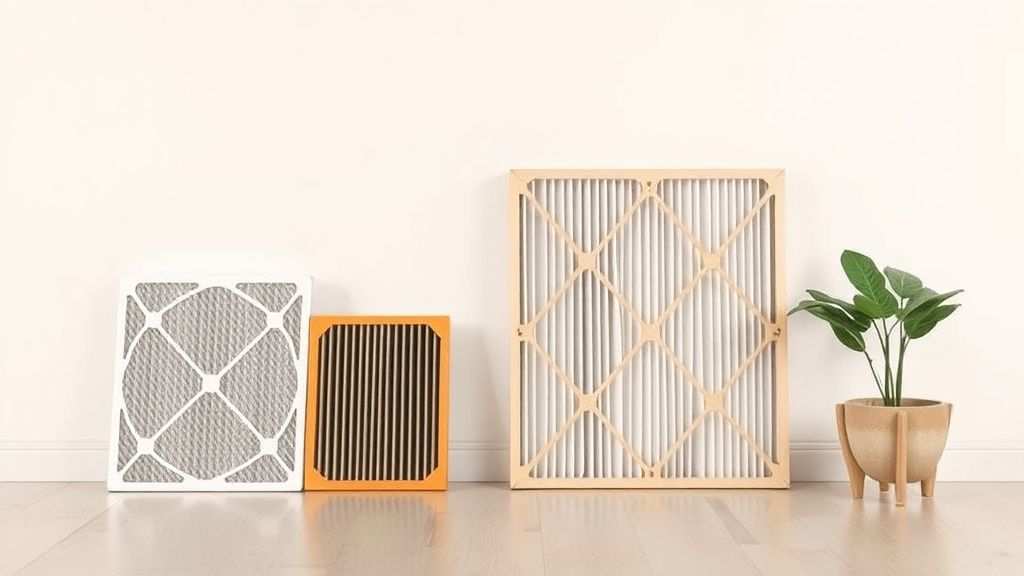
Why Air Purifiers Are Essential for Kitchen Odors
Cooking is a daily activity that fills your home with delicious aromas, but lingering odors from fried foods, spices, or burnt dishes can be unpleasant and persistent. These odors aren’t just a nuisance—they can also affect indoor air quality. Air purifiers designed specifically for kitchens can help neutralize these smells, ensuring your home stays fresh and clean.
Kitchen odors are often caused by volatile organic compounds (VOCs) released during cooking. These compounds can linger in the air and even settle into fabrics, making them harder to eliminate. Unlike HVAC systems or furnace filters, which focus on removing particles like dust and allergens, air purifiers tackle odors directly using activated carbon filters and other specialized technologies.
Types of Air Purifiers for Kitchen Odors
Phone cases · Sponsored · 15% off first order
Phone Case Gift — They pick the model · 2 minutes Code FIRST15GIFT
Not all air purifiers are created equal when it comes to removing kitchen odors. Here are the most effective types:
Activated Carbon Air Purifiers
Activated carbon filters are the gold standard for odor removal. These filters are highly porous and specifically designed to absorb gases, chemicals, and odors from the air. When cooking odors pass through the carbon filter, they are trapped and neutralized, leaving the air smelling fresh. Look for air purifiers with thick, dense carbon filters for maximum effectiveness.
HEPA + Carbon Combo Air Purifiers
HEPA (High-Efficiency Particulate Air) filters are excellent at capturing airborne particles like dust, pollen, and smoke, but they don’t remove odors on their own. Many air purifiers combine HEPA filters with activated carbon filters to address both particles and odors. These dual-action purifiers are ideal for kitchens where frying or grilling produces both smoke and strong smells.
Ionic Air Purifiers
Ionic air purifiers release negatively charged ions that bind to airborne particles, causing them to fall out of the air. Some models also claim to neutralize odors, though they are generally less effective than carbon-based purifiers. If you choose an ionic purifier, ensure it has a carbon filter for odor removal.
Ozone Generators
Ozone generators are designed to neutralize odors by producing ozone, a molecule that reacts with odor-causing compounds. However, ozone can be harmful to breathe and is not recommended for home use, especially in kitchens where it can interact with cooking fumes. Avoid ozone-based purifiers for kitchen odor removal.
Key Features to Look for in a Kitchen Air Purifier
When selecting an air purifier for kitchen odors, consider the following features:
- Activated Carbon Filter: Ensure the purifier has a high-quality carbon filter specifically designed for odor removal.
- CADR (Clean Air Delivery Rate): Look for a high CADR rating for smoke and odors, which indicates how quickly the purifier can clean the air.
- Room Size Coverage: Choose a purifier that matches the size of your kitchen or open-concept cooking area.
- Fan Speeds: Multiple fan speeds allow you to adjust the purification intensity based on the strength of the odors.
- Noise Level: Opt for a quiet purifier, especially if your kitchen is near living spaces.
- Portability: Compact, lightweight models are easier to move around as needed.
Top Air Purifier Technologies for Kitchen Odors
Phone cases · Sponsored · 15% off first order
Titan Case — Precision fit · 2,000+ designs Code FIRST15TIT
Activated Carbon Filters with High Surface Area
The effectiveness of a carbon filter depends on its surface area. Filters with a larger surface area can trap more odors and last longer before needing replacement. Some advanced models use granular carbon or carbon pellets for enhanced odor absorption.
Pre-Filters for Grease and Smoke
Cooking often produces grease particles and smoke, which can clog filters quickly. Air purifiers with washable pre-filters can capture these larger particles, extending the life of the carbon and HEPA filters.
Smart Sensors and Auto Mode
Some air purifiers feature smart sensors that detect changes in air quality and adjust the fan speed accordingly. This is particularly useful in kitchens where odors can fluctuate rapidly during cooking.
Replaceable vs. Washable Filters
While washable filters are cost-effective, they may not be as effective as replaceable filters for odor removal. Replaceable carbon filters are often more efficient but require regular maintenance.
Maintenance Tips for Kitchen Air Purifiers
To keep your air purifier working efficiently, follow these maintenance tips:
- Replace Filters Regularly: Carbon filters typically need replacement every 3-6 months, depending on usage. Check the manufacturer’s guidelines for specific intervals.
- Clean Pre-Filters: If your purifier has a washable pre-filter, clean it monthly to remove grease and dust buildup.
- Placement Matters: Position the purifier near the source of odors, such as the stove, but ensure it’s not too close to avoid grease splatter.
- Run It Consistently: For best results, run your purifier during and after cooking to prevent odors from spreading to other areas of the home.
What to Look for in an Air Purifier for Kitchen Odors
Phone cases · Sponsored · 15% off first order
Phone Cases For Charity — Every case supports a cause Code GIVE10When shopping for an air purifier to banish kitchen smells, prioritize models with:
- A robust activated carbon filter for odor absorption.
- A high CADR rating for smoke and odors.
- Adequate room size coverage for your kitchen.
- Washable pre-filters to capture grease and smoke.
- Quiet operation and adjustable fan speeds.
By choosing the right air purifier and maintaining it properly, you can enjoy a fresh-smelling kitchen and improved indoor air quality, even after the most aromatic cooking sessions.
Our picks worth a closer look
- Filtrete 16x25x1 AC Furnace Air Filter, MPR 1000 MERV 11Check on Amazon → — see current price and specs.