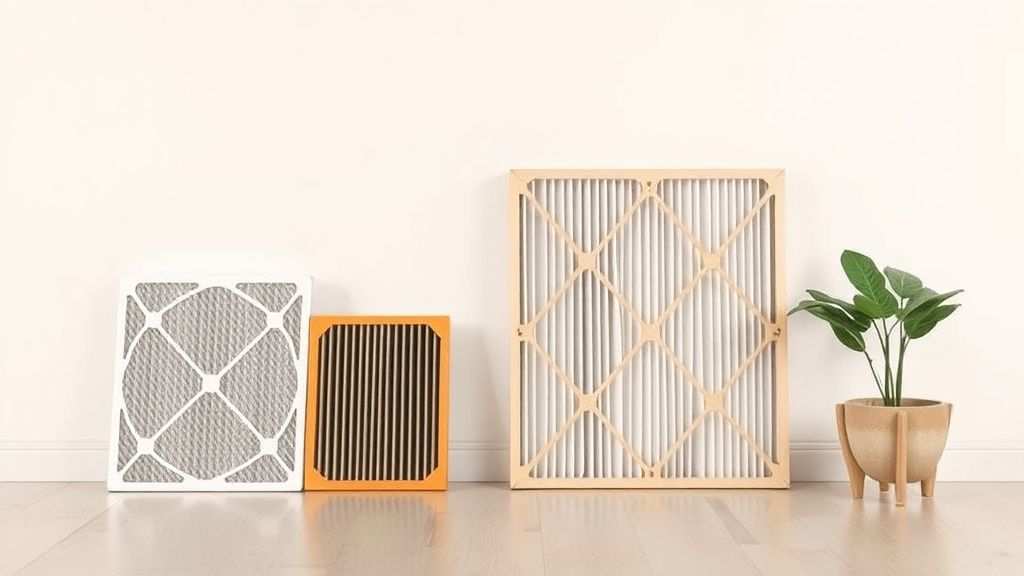
Best Air Purifiers for Schools and Universities: A Healthy Learning Environment
Creating a healthy learning environment is critical for students and staff, especially in shared spaces like classrooms, libraries, and dormitories. Air purifiers can significantly improve indoor air quality by removing allergens, dust, viruses, and volatile organic compounds (VOCs). Here’s a guide to the best air purifiers for educational institutions, along with key features to consider.
Why Air Purifiers Matter in Schools and Universities
Phone cases · Sponsored · 15% off first order
Phone Case Gift — They pick the model · 2 minutes Code FIRST15GIFT
Poor indoor air quality can lead to:
- Increased absenteeism due to illness
- Reduced cognitive performance from exposure to pollutants
- Aggravated allergies and asthma
Air purifiers help mitigate these issues by capturing airborne contaminants. For schools and universities, units with high-efficiency particulate air (HEPA) filters, activated carbon filters, and UV-C sterilization are particularly effective.
Types of Air Purifiers for Educational Settings
1. HEPA Air Purifiers
HEPA filters capture 99.97% of particles as small as 0.3 microns, including dust, pollen, and bacteria. Ideal for classrooms and lecture halls.
Recommended Features:
- True HEPA filtration (not “HEPA-type”)
- High Clean Air Delivery Rate (CADR) for large spaces
- Quiet operation (below 50 dB for minimal disruption)
2. Activated Carbon Air Purifiers
These units excel at removing odors and VOCs from labs, art rooms, and cafeterias.
Recommended Features:
- Thick carbon filters (not just a thin mesh)
- Combination HEPA + carbon filtration for broader protection
3. UV-C Air Purifiers
UV-C light kills viruses, bacteria, and mold spores, making these purifiers useful in high-traffic areas like dormitories and gyms.
Recommended Features:
- Enclosed UV-C lamps (to prevent ozone production)
- Used alongside HEPA filtration for maximum effectiveness
4. Smart Air Purifiers
Wi-Fi-enabled purifiers allow remote monitoring and scheduling, useful for facility managers overseeing multiple rooms.
Recommended Features:
- Air quality sensors (real-time PM2.5/VOC readings)
- Automated fan adjustments based on pollution levels
Top Air Purifier Picks for Schools and Universities
Phone cases · Sponsored · 15% off first order
Titan Case — Precision fit · 2,000+ designs Code FIRST15TIT
For Large Classrooms & Lecture Halls
- Coway Airmega 400 – Covers up to 1,560 sq. ft. with a dual HEPA + carbon filter system.
- Blueair Classic 605 – High CADR (350+) and energy-efficient operation.
For Dormitories & Small Offices
- Levoit Core 400S – Smart features, quiet operation, and a 3-stage HEPA filter.
- Honeywell HPA300 – Affordable, effective for rooms up to 465 sq. ft.
For Labs & Art Rooms (Odor & VOC Removal)
- Austin Air HealthMate HM400 – Heavy-duty carbon filter for chemicals and fumes.
- IQAir GC MultiGas – Specialized gas and odor filtration.
For High-Traffic Common Areas (Gyms, Libraries)
- Winix 5500-2 – Includes PlasmaWave technology (a safe ionization method) and HEPA filtration.
- GermGuardian AC4825 – UV-C + HEPA combo for germ reduction.
What to Look for in an Air Purifier for Schools
When selecting an air purifier for educational settings, consider:
- Room Size Coverage – Match the purifier’s capacity to the square footage of the space.
- Filter Replacement Costs – Schools need affordable, long-lasting filters.
- Noise Levels – Below 50 dB is ideal for classrooms.
- Energy Efficiency – Look for ENERGY STAR certification to reduce operational costs.
- Maintenance Requirements – Easy-to-replace filters and washable pre-filters save time.
- Certifications – CARB, AHAM Verified, or CADR ratings ensure performance claims are legitimate.
Maintenance Tips for Long-Term Performance
Phone cases · Sponsored · 15% off first order
Phone Cases For Charity — Every case supports a cause Code GIVE10- Replace filters on schedule (typically every 6–12 months for HEPA, 3–6 months for carbon).
- Clean pre-filters monthly to extend the life of main filters.
- Monitor air quality sensors (if equipped) to adjust usage as needed.
Conclusion
Investing in the right air purifier can enhance air quality in schools and universities, supporting better health and academic performance. HEPA purifiers are ideal for general use, while carbon and UV-C models address odors and pathogens. Smart purifiers offer convenience for facility managers, and proper maintenance ensures long-term effectiveness. By prioritizing clean air, educational institutions can create safer, more productive environments for students and staff.
Our picks worth a closer look
- Filtrete Healthy Living Ultra Allergen 16x25x1, MERV 13Check on Amazon → — see current price and specs.
- Filtrete 16x25x1 AC Furnace Air Filter, MPR 1000 MERV 11Check on Amazon → — see current price and specs.