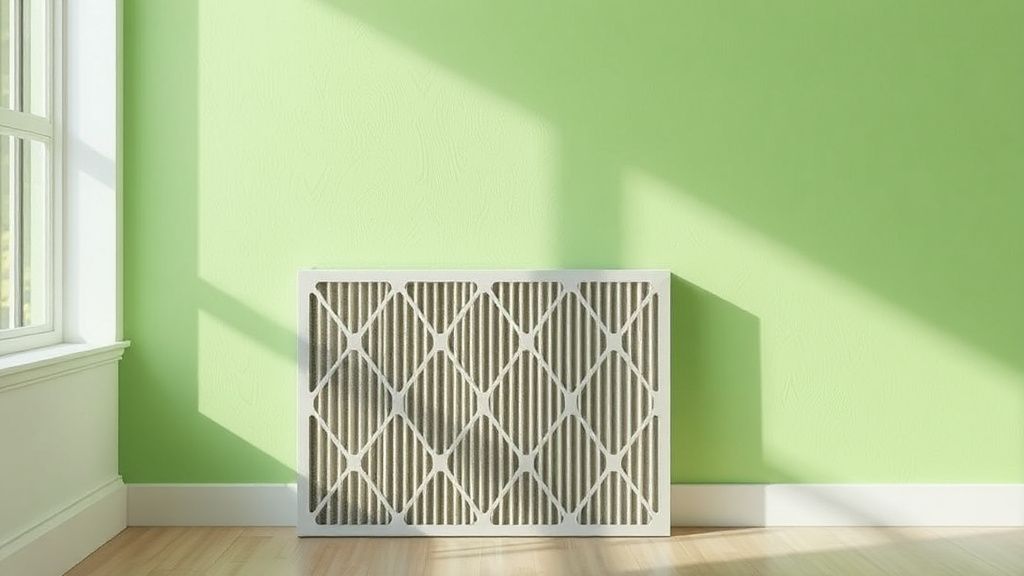
Best Air Purifiers with Activated Carbon Filters for Chemical Removal
Indoor air pollution isn’t just about dust and allergens—chemicals like volatile organic compounds (VOCs), smoke, and odors can also degrade air quality. Activated carbon filters are highly effective at adsorbing these gaseous pollutants, making them essential for homes with chemical sensitivities, smokers, or urban environments. Below, we review the best air purifiers with activated carbon filters and what to look for when choosing one.
Why Activated Carbon Filters Matter
Phone cases · Sponsored · 15% off first order
Phone Case Gift — They pick the model · 2 minutes Code FIRST15GIFT
Activated carbon is a porous material treated to increase its surface area, allowing it to trap gas molecules effectively. Unlike HEPA filters, which capture particles, activated carbon excels at removing:
- VOCs (from paints, cleaning products, and furniture off-gassing)
- Tobacco smoke
- Cooking odors
- Pet odors
- Formaldehyde and other industrial chemicals
For comprehensive air cleaning, many purifiers combine activated carbon with HEPA filtration to tackle both particles and gases.
Top Air Purifiers with Activated Carbon Filters
1. Coway Airmega 400
- Key Features:
- Dual filtration system (True HEPA + activated carbon)
- Covers up to 1,560 sq. ft.
- Smart mode adjusts fan speed based on air quality
- Best For: Large spaces needing strong chemical and particle filtration.
- Carbon Filter Depth: Thick carbon layer for extended chemical adsorption.
2. Austin Air HealthMate HM400
- Key Features:
- Medical-grade HEPA + 15 lbs of activated carbon/zeolite blend
- No replacement filters needed for 5 years (carbon lasts ~3 years)
- Sturdy steel construction
- Best For: Severe chemical sensitivities or smoke removal.
- Carbon Filter Depth: Heavy-duty carbon bed for long-term VOC control.
3. Blueair Blue Pure 211+
- Key Features:
- HEPASilent technology + activated carbon filter
- Washable pre-filter for large particles
- Covers 540 sq. ft.
- Best For: Mid-sized rooms with moderate chemical concerns.
- Carbon Filter Depth: Lighter carbon layer, best for odors and light VOCs.
4. IQAir GC MultiGas
- Key Features:
- HyperHEPA + deep-bed activated carbon/zeolite filter
- Targets complex chemicals (e.g., formaldehyde, ammonia)
- Industrial-strength filtration
- Best For: Extreme chemical removal (labs, renovations, wildfire smoke).
- Carbon Filter Depth: Massive carbon volume for heavy-duty adsorption.
5. Levoit Core 600S
- Key Features:
- HEPA + activated carbon filter
- Smart app control and auto mode
- Covers 635 sq. ft.
- Best For: Smart home integration with decent chemical filtration.
- Carbon Filter Depth: Standard carbon layer for everyday odors.
Types of Activated Carbon Filters
Phone cases · Sponsored · 15% off first order
Titan Case — Precision fit · 2,000+ designs Code FIRST15TIT
Not all carbon filters are equal. Here’s what to look for in their design:
Pelletized Carbon
- Dense, granular carbon pellets.
- More surface area = better chemical adsorption.
- Found in high-end purifiers (e.g., Austin Air, IQAir).
Powdered Carbon
- Finer carbon particles, often embedded in a mesh.
- Less effective for heavy chemicals but good for odors.
- Common in budget purifiers (e.g., Levoit, Blueair).
Carbon + Zeolite Blends
- Zeolite enhances ammonia and formaldehyde removal.
- Used in medical and industrial-grade purifiers.
Thickness Matters
- Thin carbon sheets (common in budget models) saturate quickly.
- Thick carbon beds (e.g., 2+ inches) last longer and adsorb more.
What to Look for in an Air Purifier for Chemical Removal
-
Carbon Filter Quality
- Opt for pelletized or deep-bed carbon over thin mesh filters.
- Check weight—more carbon (e.g., 5+ lbs) means better longevity.
-
Room Size Coverage
- Match the purifier’s CADR (Chemical Adsorption Rate) to your room size.
-
Filter Replacement Costs
- Some carbon filters need replacing every 3–6 months; others last years.
-
Additional Filtration
- A HEPA filter is ideal for combined particle and gas removal.
-
Airflow & Fan Speeds
- Higher CFM (cubic feet per minute) ensures faster air cleaning.
-
Noise Levels
- Look for a “sleep mode” if using in bedrooms.
-
Smart Features
- Air quality sensors auto-adjust fan speed for efficiency.
Maintenance Tips for Activated Carbon Filters
Phone cases · Sponsored · 15% off first order
Phone Cases For Charity — Every case supports a cause Code GIVE10- Replace carbon filters as recommended (typically 3–12 months).
- Avoid washing carbon filters—water deactivates adsorption properties.
- Store extras properly in sealed bags to prevent pre-saturation.
Final Thoughts
For chemical removal, prioritize air purifiers with substantial activated carbon layers, such as the Austin Air HealthMate or IQAir GC MultiGas. Smaller units like the Levoit Core 600S work well for mild odors but may need frequent filter changes. Always pair carbon filtration with proper ventilation for the best results.
By choosing the right purifier, you can significantly reduce harmful chemicals and improve your home’s air quality.
Our picks worth a closer look
- Filtrete 16x25x1 AC Furnace Air Filter, MPR 1000 MERV 11Check on Amazon → — see current price and specs.