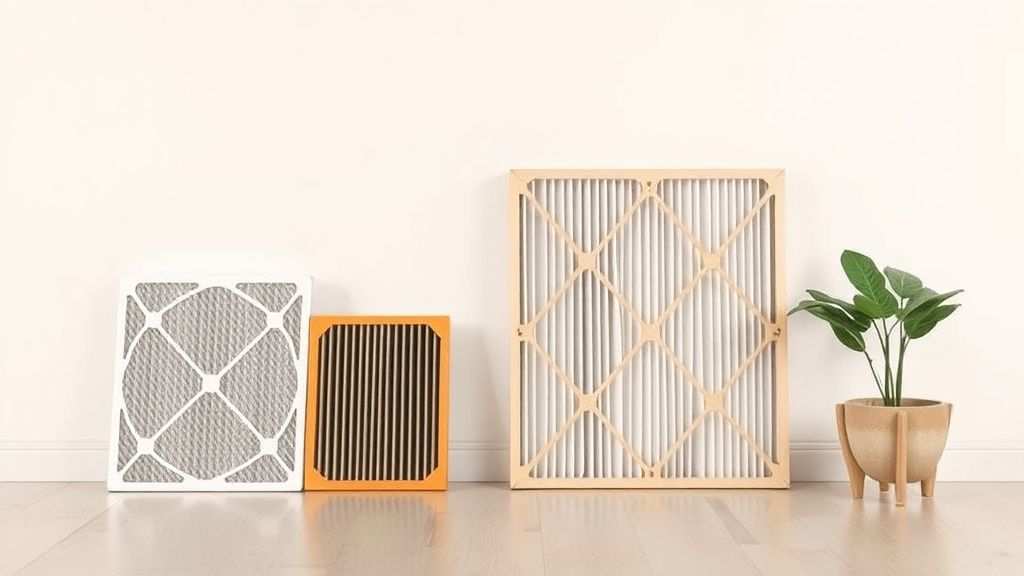
Understanding UV-C Air Purifiers
UV-C air purifiers are a specialized type of air purification system that uses ultraviolet (UV) light in the C spectrum to neutralize airborne pathogens like bacteria, viruses, and mold spores. Unlike traditional air purifiers that rely on filters to trap particles, UV-C purifiers use short-wavelength ultraviolet light to disrupt the DNA of microorganisms, rendering them harmless. These devices are often combined with HEPA filters or activated carbon filters to address both biological and particulate pollutants.
UV-C technology has been used for decades in hospitals and laboratories for sterilization, but its adoption in residential settings has grown in recent years due to increased awareness of indoor air quality. However, questions about safety and effectiveness remain prevalent among consumers.
How UV-C Air Purifiers Work
Phone cases · Sponsored · 15% off first order
Phone Case Gift — They pick the model · 2 minutes Code FIRST15GIFT
UV-C air purifiers typically feature a UV lamp housed within the unit. As air passes through the purifier, it is exposed to the UV-C light, which targets microorganisms like viruses, bacteria, and mold spores. The UV-C light damages the DNA or RNA of these pathogens, preventing them from reproducing and rendering them inactive.
Most UV-C purifiers are designed to work in conjunction with other filtration systems. For example, many models include a HEPA filter to capture particulate matter like dust, pollen, and pet dander, while the UV-C light addresses biological contaminants. Some units also include activated carbon filters to reduce odors and volatile organic compounds (VOCs).
Are UV-C Air Purifiers Safe?
Safety is a common concern when it comes to UV-C air purifiers. UV-C light is harmful to human skin and eyes, so it’s crucial that the UV lamp is fully enclosed within the unit to prevent direct exposure. Reputable manufacturers design their purifiers with safety features like sealed chambers and fail-safes to ensure UV-C light does not escape.
However, improper use or maintenance can pose risks. For example, replacing a UV lamp without following the manufacturer’s instructions could expose users to harmful UV-C light. Additionally, UV-C lamps degrade over time and need to be replaced periodically to maintain effectiveness.
It’s also important to note that UV-C purifiers do not remove particulate matter like dust or allergens on their own. For comprehensive air purification, they should be paired with HEPA or other filtration systems.
Effectiveness of UV-C Air Purifiers
Phone cases · Sponsored · 15% off first order
Titan Case — Precision fit · 2,000+ designs Code FIRST15TIT
UV-C air purifiers are highly effective at neutralizing airborne pathogens, including bacteria, viruses, and mold spores. Studies have shown that UV-C light can reduce the concentration of these microorganisms in the air by up to 99.9%. However, their effectiveness depends on several factors, including the intensity of the UV-C light, the duration of exposure, and the airflow rate of the purifier.
One limitation of UV-C purifiers is that they only neutralize microorganisms that pass through the unit. They do not address pollutants that settle on surfaces or those that are too large to be drawn into the purifier. Additionally, UV-C light is less effective against certain types of viruses and bacteria that are resistant to UV radiation.
To maximize effectiveness, UV-C purifiers should be used in conjunction with other filtration systems, such as HEPA filters, which can capture particulate matter that UV-C light cannot address.
Types of UV-C Air Purifiers
There are several types of UV-C air purifiers available, each designed for specific needs and spaces:
-
Standalone Units: These are portable air purifiers that combine UV-C technology with other filtration systems like HEPA and activated carbon. They are ideal for single rooms or small spaces.
-
HVAC-Integrated Systems: These purifiers are installed directly into your home’s HVAC system, allowing UV-C light to treat air as it circulates through the ducts. This option is best for whole-house purification.
-
In-Duct UV Lights: Similar to HVAC-integrated systems, these are installed within the ductwork to target microorganisms in the air as it passes through. They are often used in conjunction with other filtration systems.
-
Portable UV-C Wands: These handheld devices are designed for surface disinfection rather than air purification. They are not recommended as a substitute for air purifiers but can be used to complement them.
What to Look for in a UV-C Air Purifier
Phone cases · Sponsored · 15% off first order
Phone Cases For Charity — Every case supports a cause Code GIVE10When shopping for a UV-C air purifier, consider the following factors:
- Safety Features: Ensure the unit has a fully enclosed UV-C lamp to prevent exposure to harmful UV light.
- Filtration System: Look for models that include HEPA or activated carbon filters for comprehensive air purification.
- Room Size Compatibility: Choose a purifier with a Clean Air Delivery Rate (CADR) that matches the size of the room where it will be used.
- Lamp Replacement: Check how often the UV-C lamp needs to be replaced and the cost of replacement lamps.
- Certifications: Look for units certified by organizations like AHAM (Association of Home Appliance Manufacturers) or ENERGY STAR for quality and efficiency.
- Noise Level: Consider the noise output of the purifier, especially if it will be used in a bedroom or office.
Conclusion
UV-C air purifiers can be a valuable addition to your home’s air quality strategy, particularly for neutralizing airborne pathogens. When used correctly and in combination with other filtration systems, they are both safe and effective. However, they are not a standalone solution and should be part of a broader approach to improving indoor air quality. By understanding how they work and what to look for, you can choose a UV-C purifier that meets your needs and ensures a healthier living environment.
Our picks worth a closer look
- Filtrete 16x25x1 AC Furnace Air Filter, MPR 1000 MERV 11Check on Amazon → — see current price and specs.