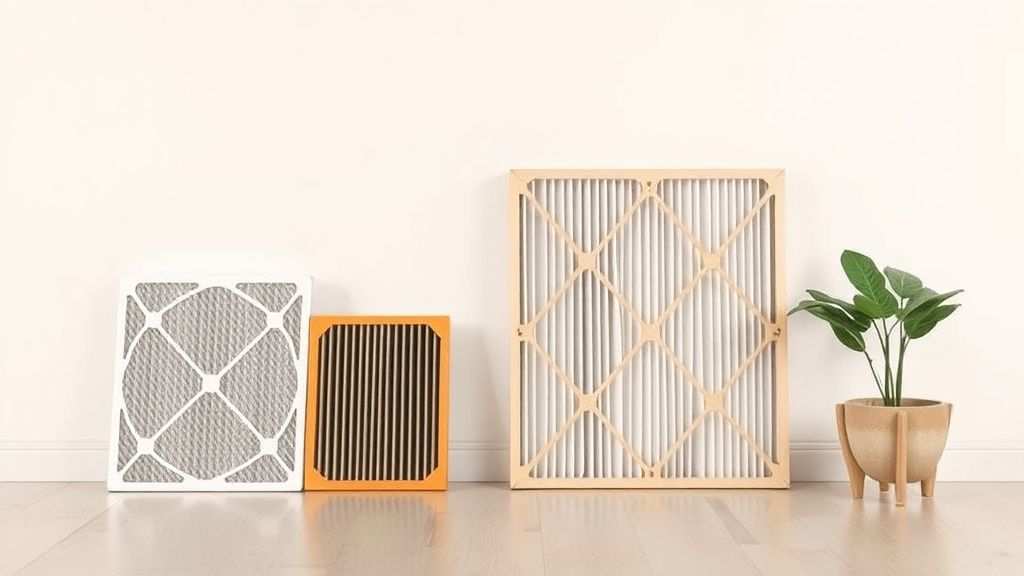
Beyond the Basics: Advanced Air Filtration Techniques for a Healthier Home
Improving indoor air quality goes beyond simply replacing your furnace filter every few months. Advanced filtration techniques can significantly reduce allergens, pollutants, and even microbial contaminants, creating a healthier living environment. Whether you’re dealing with seasonal allergies, asthma, or just want cleaner air, understanding these methods will help you make informed decisions.
Understanding MERV Ratings and Their Limitations
MERV (Minimum Efficiency Reporting Value) ratings indicate a filter’s ability to capture particles between 0.3 and 10 microns. Standard furnace filters typically range from MERV 6 to MERV 12, but higher-rated filters (MERV 13-16) can trap smaller particles like bacteria, smoke, and virus carriers.
However, high-MERV filters also restrict airflow, which can strain HVAC systems not designed for them. Before upgrading, check your system’s compatibility—some require modifications like a deeper filter housing or a stronger blower motor.
What to Look For:
- HVAC Compatibility: Consult your system manual or an HVAC professional before using MERV 13+ filters.
- Pleated vs. Fiberglass: Pleated filters offer better particle capture, while fiberglass is cheaper but less effective.
- Electrostatic Options: These use static charge to attract particles, improving efficiency without high MERV restrictions.
HEPA Filtration: The Gold Standard
Phone cases · Sponsored · 15% off first order
Phone Case Gift — They pick the model · 2 minutes Code FIRST15GIFT
HEPA (High-Efficiency Particulate Air) filters capture 99.97% of particles as small as 0.3 microns, including mold spores, pet dander, and fine dust. While standalone air purifiers often use HEPA, whole-house HEPA systems integrate with HVAC systems for comprehensive filtration.
Types of HEPA Systems:
- Standalone Purifiers: Ideal for single rooms; choose models with CADR (Clean Air Delivery Rate) ratings matching your room size.
- HVAC-Integrated HEPA: Requires professional installation and may need duct modifications to handle airflow resistance.
- Portable HEPA Vacuums: Reduce recirculated dust during cleaning.
What to Look For:
- True HEPA vs. HEPA-Type: Only “True HEPA” meets the strict 0.3-micron standard.
- Sealed Units: Ensures unfiltered air doesn’t bypass the filter.
- Filter Longevity: Some HEPA filters last up to 5 years; others need replacement every 6-12 months.
Activated Carbon Filters for Gases and Odors
While mechanical filters trap particles, activated carbon adsorbs gases, VOCs (volatile organic compounds), and odors from cooking, smoke, or chemicals. These filters are often layered with HEPA or MERV filters for dual-action purification.
Applications:
- Kitchen and Bathrooms: Reduces cooking fumes and humidity-related odors.
- Basements and Garages: Mitigates musty smells and chemical vapors from stored products.
- Pet Areas: Neutralizes ammonia and organic odors.
What to Look For:
- Carbon Density: Thicker carbon beds last longer and adsorb more pollutants.
- Impregnated Carbon: Some filters include potassium iodide or alumina for targeting specific gases like formaldehyde.
UV-C Light for Microbial Control
Phone cases · Sponsored · 15% off first order
Titan Case — Precision fit · 2,000+ designs Code FIRST15TIT
Ultraviolet (UV-C) light systems kill mold, bacteria, and viruses by disrupting their DNA. Installed inside HVAC ducts or air purifiers, they work alongside filters to reduce biological contaminants.
Types of UV-C Systems:
- Coil Irradiation: Mounts near the HVAC evaporator coil to prevent microbial growth.
- Air Stream Disinfection: UV lamps target airborne pathogens as air passes through ducts.
What to Look For:
- Wavelength: Effective UV-C lamps emit light at 254 nanometers.
- Safety Features: Enclosed units prevent accidental exposure to UV rays.
- Lamp Replacement: Most UV bulbs last 9-12 months before losing effectiveness.
Smart Air Quality Monitors and Automation
Modern filtration systems can integrate with smart air quality monitors that track PM2.5, CO2, VOCs, and humidity. These devices sync with HVAC systems or purifiers to adjust filtration automatically.
Features to Consider:
- Real-Time Alerts: Notifies you when pollutant levels rise.
- Integration: Works with smart thermostats like Ecobee or Nest for automated responses.
- Multi-Pollutant Detection: Some sensors measure radon or NO2 for comprehensive monitoring.
Combining Techniques for Optimal Air Quality
Phone cases · Sponsored · 15% off first order
Phone Cases For Charity — Every case supports a cause Code GIVE10Layering filtration methods ensures broader protection:
- Pre-Filtration: A MERV 8 filter catches larger dust and lint, extending the life of finer filters.
- Primary Filtration: HEPA or MERV 13+ traps fine particulates.
- Chemical Filtration: Activated carbon handles odors and VOCs.
- UV-C: Reduces microbial growth in damp areas like ducts.
Maintenance Tips:
- Regular Inspections: Check filters monthly during high-use seasons.
- Duct Cleaning: Schedule professional cleaning every 3-5 years to prevent buildup.
- Humidity Control: Keep indoor humidity between 30-50% to inhibit mold.
What to Look for in Advanced Filtration Systems
When upgrading your air filtration, prioritize:
- Compatibility: Ensure your HVAC can handle higher-MERV or HEPA filters.
- Efficiency: Match filter types to your specific pollutants (e.g., carbon for odors, HEPA for allergens).
- Cost of Ownership: Factor in replacement filters, energy use, and maintenance.
- Noise Levels: Some air purifiers can be loud at higher speeds.
By implementing these advanced techniques, you can achieve cleaner, healthier air tailored to your home’s unique needs.
Our picks worth a closer look
- Filtrete 16x25x1 AC Furnace Air Filter, MPR 1000 MERV 11Check on Amazon → — see current price and specs.
- Amazon Basics AA Performance Alkaline Batteries, 48-CountCheck on Amazon → — see current price and specs.