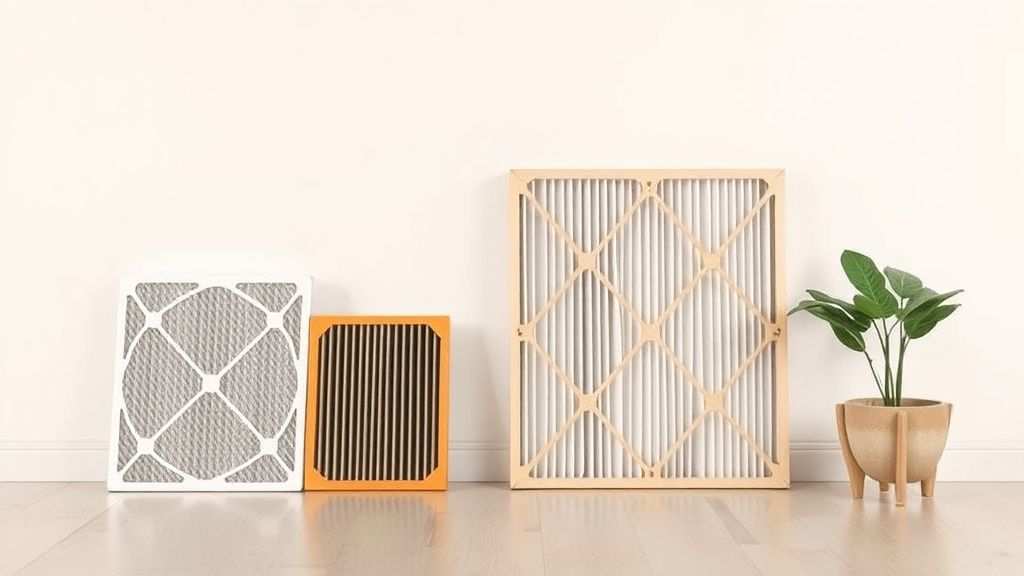
Understanding Air Purifiers: Why They Matter
Air purifiers are essential devices for maintaining indoor air quality, especially in homes with allergy sufferers, pet owners, or residents in polluted urban areas. They work by removing contaminants like dust, pollen, pet dander, mold spores, and even volatile organic compounds (VOCs) from the air. With so many options available, understanding the key features of air purifiers can help you make an informed decision.
Key Features to Consider When Buying an Air Purifier
Phone cases · Sponsored · 15% off first order
Phone Case Gift — They pick the model · 2 minutes Code FIRST15GIFT
1. Filter Type: HEPA vs. Activated Carbon
The type of filter used in an air purifier is critical. High-Efficiency Particulate Air (HEPA) filters are the gold standard for capturing airborne particles. They can trap 99.97% of particles as small as 0.3 microns, including allergens, dust, and mold spores. Look for a True HEPA filter, as some models advertise “HEPA-like” filters that don’t meet the same standards.
Activated carbon filters, on the other hand, are excellent for removing odors, smoke, and VOCs. If you’re dealing with cooking smells, pet odors, or chemical fumes, a purifier with both HEPA and activated carbon filters is ideal.
2. CADR (Clean Air Delivery Rate)
CADR measures how quickly an air purifier can clean the air in a specific room size. It’s rated for three types of particles: smoke, pollen, and dust. A higher CADR indicates better performance. For example, a CADR of 300 means the purifier can deliver 300 cubic feet of clean air per minute. Choose a purifier with a CADR suitable for your room size to ensure efficient air cleaning.
3. Room Size Coverage
Air purifiers are designed for specific room sizes. Check the manufacturer’s recommendations to ensure the purifier can handle the square footage of your space. For larger rooms, consider models with higher CADR ratings or multiple air changes per hour (ACH). Ideally, aim for at least 4 ACH for effective air cleaning.
4. Noise Levels
Noise can be a dealbreaker, especially if you plan to use the purifier in a bedroom or office. Look for models with a low decibel (dB) rating—under 50 dB is generally quiet enough for sleeping. Some purifiers also feature a “sleep mode” or adjustable fan speeds for quieter operation.
5. Energy Efficiency
Air purifiers run continuously, so energy efficiency is important. Look for models with an Energy Star certification, which indicates they meet strict energy efficiency guidelines. This not only reduces your electricity bill but also minimizes environmental impact.
6. Smart Features
Modern air purifiers often come with smart features like air quality sensors, Wi-Fi connectivity, and mobile app controls. These features allow you to monitor indoor air quality in real-time and adjust settings remotely. Some models even auto-adjust fan speeds based on detected pollutant levels.
7. Maintenance and Filter Replacement Costs
Regular maintenance is crucial for optimal performance. Check the manufacturer’s recommendations for filter replacement intervals and costs. Some purifiers use washable filters, which can save money in the long run, but most require periodic replacement. Factor in these costs when choosing a model.
8. Portability and Design
Consider the size and design of the purifier, especially if you plan to move it between rooms. Compact, lightweight models are easier to transport, while sleek designs can blend seamlessly with your home decor.
Types of Air Purifiers
1. Standalone Air Purifiers
Standalone units are the most common type of air purifier. They’re portable and designed for single-room use. These models are ideal for bedrooms, living rooms, or offices.
2. Whole-House Air Purifiers
Whole-house purifiers are integrated into your HVAC system and clean the air throughout your home. They’re more expensive but provide comprehensive air cleaning for larger spaces. Look for models compatible with your existing HVAC setup.
3. Ionizers and Ozone Generators
Ionizers release negatively charged ions that attach to airborne particles, causing them to settle on surfaces. However, they don’t remove particles from the air entirely and can produce ozone, which is harmful to health. Ozone generators intentionally produce ozone to neutralize odors and pollutants but are not recommended for home use due to health risks.
4. UV-C Air Purifiers
UV-C purifiers use ultraviolet light to kill bacteria, viruses, and mold spores. While effective at neutralizing microorganisms, they don’t remove particles from the air. Pairing a UV-C purifier with a HEPA filter provides comprehensive air cleaning.
What to Look for in an Air Purifier
Phone cases · Sponsored · 15% off first order
Titan Case — Precision fit · 2,000+ designs Code FIRST15TIT
When shopping for an air purifier, prioritize the following:
- True HEPA filter for effective particle removal.
- Activated carbon filter for odor and VOC elimination.
- Appropriate CADR for your room size.
- Low noise levels for quiet operation.
- Energy efficiency to save on electricity costs.
- Smart features for convenience and real-time monitoring.
- Affordable maintenance with reasonable filter replacement costs.
By focusing on these features, you can choose an air purifier that meets your specific needs and improves your home’s air quality.
Our picks worth a closer look
- Filtrete 16x25x1 AC Furnace Air Filter, MPR 1000 MERV 11Check on Amazon → — see current price and specs.
- Folgers Classic Roast Ground Coffee, 48 OzCheck on Amazon → — see current price and specs.
- Amazon Basics AA Performance Alkaline Batteries, 48-CountCheck on Amazon → — see current price and specs.