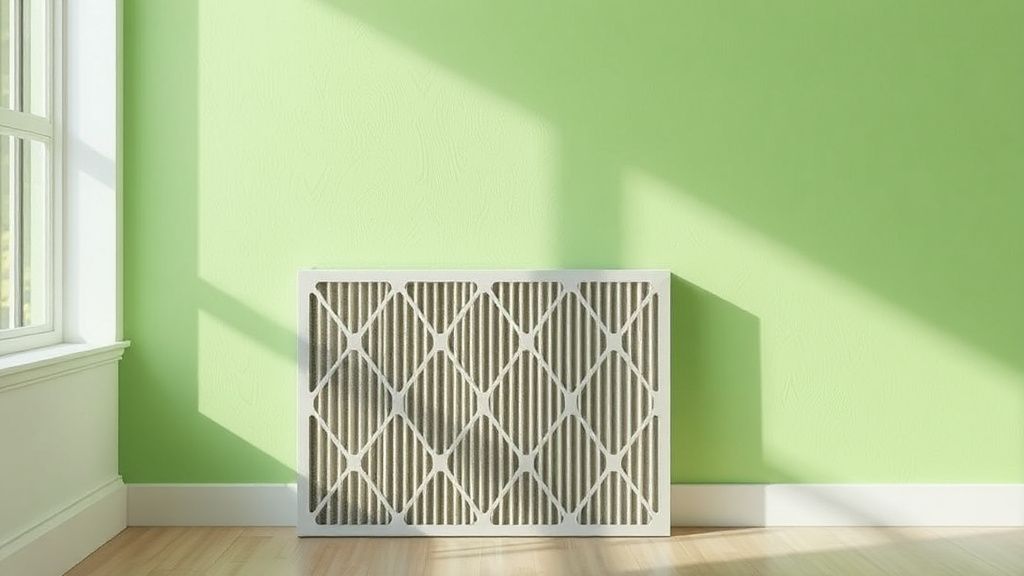
Understanding MERV Ratings
When choosing an air filter for your home, understanding MERV (Minimum Efficiency Reporting Value) ratings is crucial. MERV ratings range from 1 to 20, indicating a filter’s ability to capture airborne particles. Lower MERV ratings (1-4) are basic filters designed to protect your HVAC system from large debris like dust and lint. Mid-range MERV ratings (5-13) are more effective at trapping smaller particles such as pollen, mold spores, and pet dander. High MERV ratings (14-20) are typically used in hospitals or cleanrooms and can capture microscopic particles like bacteria and smoke.
For most homes, a MERV rating between 8 and 13 strikes the right balance between air quality improvement and HVAC system compatibility. Filters with higher MERV ratings may restrict airflow, potentially straining your HVAC system and increasing energy costs.
Types of Air Filters and Their MERV Ratings
Phone cases · Sponsored · 15% off first order
Phone Case Gift — They pick the model · 2 minutes Code FIRST15GIFT
Fiberglass Filters (MERV 1-4)
Fiberglass filters are inexpensive and designed primarily to protect HVAC systems from large debris. They are not effective at improving indoor air quality and are best suited for homes without air quality concerns or for short-term use.
Pleated Filters (MERV 5-13)
Pleated filters are made from polyester or cotton paper and are a popular choice for homeowners. They offer better filtration than fiberglass filters and are effective at capturing smaller particles like pollen and pet dander. MERV 8 filters are a common choice for general use, while MERV 11-13 filters provide enhanced filtration for homes with allergy sufferers or pets.
Electrostatic Filters (MERV 8-13)
Electrostatic filters use self-charging fibers to attract and capture particles. They are available in both disposable and washable versions. These filters are a good option for those looking for reusable solutions with mid-range MERV ratings.
HEPA Filters (MERV 17-20)
HEPA (High-Efficiency Particulate Air) filters are the gold standard for air filtration, capturing 99.97% of particles as small as 0.3 microns. However, most residential HVAC systems are not designed to handle HEPA filters due to their high airflow resistance. They are better suited for standalone air purifiers.
Matching MERV Ratings to Your Needs
For General Use
If you’re looking to maintain clean air and protect your HVAC system, a MERV 8 filter is a solid choice. It captures common household dust, pollen, and mold spores without significantly restricting airflow.
For Allergy Sufferers
For those with allergies or asthma, a MERV 11-13 filter is recommended. These filters trap smaller particles like pet dander, smoke, and fine dust, improving indoor air quality and reducing allergy symptoms.
For Homes with Pets
Pet owners should consider a MERV 11-13 filter to capture pet hair, dander, and odors. Electrostatic filters can also be effective for pet-related air quality issues.
For Enhanced Filtration
If you need superior filtration, such as for smoke or bacteria, a MERV 13-16 filter may be appropriate. However, consult your HVAC system’s specifications to ensure compatibility, as these filters can restrict airflow.
What to Look for When Choosing an Air Filter
Phone cases · Sponsored · 15% off first order
Titan Case — Precision fit · 2,000+ designs Code FIRST15TIT
- MERV Rating: Select a MERV rating that balances air quality needs with your HVAC system’s capabilities.
- Filter Size: Ensure the filter fits your HVAC system’s dimensions. Common sizes include 16x20x1, 20x25x1, and 16x25x4.
- Material: Choose between fiberglass, pleated, electrostatic, or HEPA filters based on your needs.
- Lifespan: Check the manufacturer’s recommended replacement schedule—typically every 30-90 days.
- Airflow Resistance: Higher MERV ratings can restrict airflow, so verify your HVAC system can handle the filter you choose.
Conclusion
Choosing the right MERV rating for your home air filter is essential for maintaining indoor air quality and protecting your HVAC system. By understanding your specific needs and the capabilities of different filter types, you can make an informed decision that improves your home’s air quality without compromising system performance. Whether you’re looking for basic protection or enhanced filtration, there’s a MERV-rated filter that’s perfect for your home.
Our picks worth a closer look
Phone cases · Sponsored · 15% off first order
Phone Cases For Charity — Every case supports a cause Code GIVE10- Filtrete Healthy Living Ultra Allergen 16x25x1, MERV 13Check on Amazon → — see current price and specs.
- Filtrete 16x25x1 AC Furnace Air Filter, MPR 1000 MERV 11Check on Amazon → — see current price and specs.
- Folgers Classic Roast Ground Coffee, 48 OzCheck on Amazon → — see current price and specs.
- Amazon Basics AA Performance Alkaline Batteries, 48-CountCheck on Amazon → — see current price and specs.