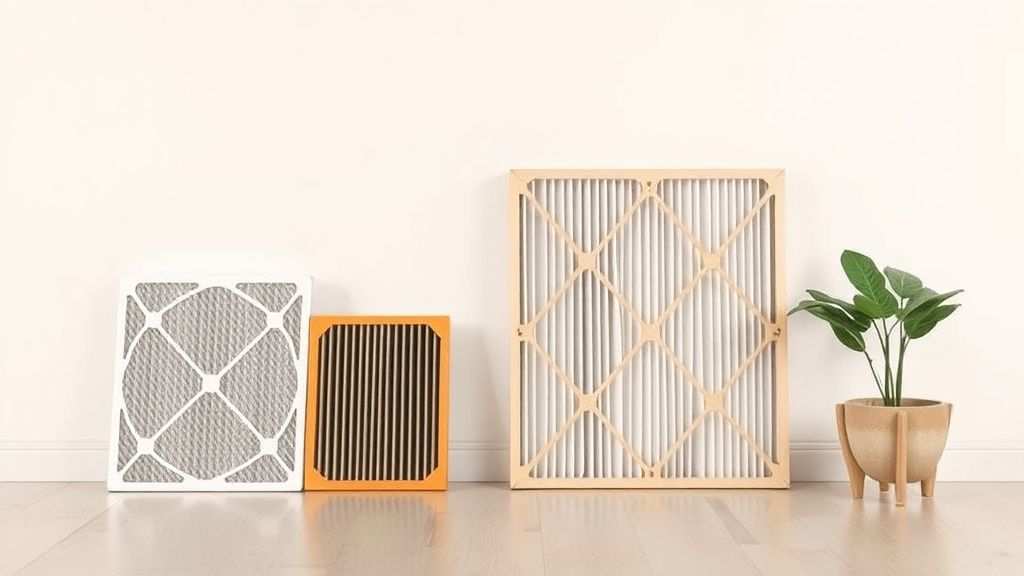
Understanding Air Purifier Technologies
When it comes to improving indoor air quality, air purifiers are a popular choice. However, not all purifiers are created equal. Different technologies target specific pollutants, so understanding the strengths and limitations of each is key to choosing the right unit for your home. Below, we’ll explore the most common air purifier technologies: HEPA filters, activated carbon filters, and more.
HEPA Filters: The Gold Standard for Particle Removal
Phone cases · Sponsored · 15% off first order
Phone Case Gift — They pick the model · 2 minutes Code FIRST15GIFT
HEPA (High-Efficiency Particulate Air) filters are widely regarded as the most effective technology for removing airborne particles. These filters capture 99.97% of particles as small as 0.3 microns, including dust, pollen, pet dander, mold spores, and even some bacteria and viruses.
How HEPA Filters Work
HEPA filters use a dense mat of fibers to trap particles through three mechanisms:
- Interception: Particles stick to the fibers as they pass close by.
- Impaction: Larger particles collide with fibers and get trapped.
- Diffusion: Tiny particles zigzag due to air currents and eventually get caught.
Best Use Cases
HEPA filters are ideal for households with allergies, asthma, or pets. They’re also effective in areas with high dust or pollen levels. However, they don’t remove gases, odors, or volatile organic compounds (VOCs).
Maintenance Tips
HEPA filters need regular replacement, typically every 6 to 12 months, depending on usage and air quality. Some models feature washable HEPA filters, but these are less common and may lose efficiency over time.
Activated Carbon Filters: Tackling Odors and Chemicals
Activated carbon filters excel at removing gases, odors, and VOCs. These filters are made from carbon treated with oxygen to create millions of tiny pores, which trap pollutants through adsorption.
How Activated Carbon Filters Work
When air passes through the carbon filter, gas molecules adhere to the porous surface. This process neutralizes odors from cooking, pets, smoke, and chemicals like formaldehyde and benzene.
Best Use Cases
Activated carbon filters are ideal for homes with strong odors, smokers, or chemical sensitivities. They’re often paired with HEPA filters in multi-stage purifiers to address both particles and gases.
Maintenance Tips
Carbon filters have a shorter lifespan than HEPA filters, typically lasting 3 to 6 months. Some purifiers use granular carbon, which can be reactivated by baking, but this is less common in residential units.
UV-C Light: Targeting Microorganisms
Phone cases · Sponsored · 15% off first order
Titan Case — Precision fit · 2,000+ designs Code FIRST15TIT
UV-C light technology uses ultraviolet light to kill or deactivate bacteria, viruses, and mold spores. While it doesn’t remove particles or gases, it can complement other filtration methods.
How UV-C Light Works
UV-C light damages the DNA of microorganisms, rendering them harmless. However, the effectiveness depends on exposure time and the intensity of the light.
Best Use Cases
UV-C technology is beneficial in homes with concerns about germs or mold. It’s often used in hospitals and labs but can also be found in residential air purifiers.
Maintenance Tips
UV-C bulbs need replacement every 1 to 2 years, even if they still emit light, as their germicidal effectiveness diminishes over time.
Ionic and Electrostatic Purifiers: Charged Particles
Ionic and electrostatic purifiers use electrical charges to attract and trap particles. Ionic purifiers release negatively charged ions into the air, which attach to particles and cause them to fall to surfaces. Electrostatic purifiers use charged plates to capture particles as air passes through.
How They Work
These technologies rely on ionization or electrostatic attraction to remove particles. While they can be effective, they often produce ozone as a byproduct, which can irritate the lungs.
Best Use Cases
Ionic purifiers are compact and quiet, making them suitable for small spaces. However, due to ozone concerns, they’re less recommended for those with respiratory issues.
Maintenance Tips
Electrostatic plates need regular cleaning to maintain efficiency. Ionic purifiers may require minimal maintenance but often produce residue that needs wiping.
Ozone Generators: A Controversial Choice
Phone cases · Sponsored · 15% off first order
Phone Cases For Charity — Every case supports a cause Code GIVE10Ozone generators intentionally produce ozone to neutralize odors and kill microorganisms. While they can be effective, they pose significant health risks, as ozone is a lung irritant and can worsen respiratory conditions.
How They Work
Ozone generators release ozone molecules into the air, which react with pollutants and break them down. However, ozone itself is a harmful pollutant at ground level.
Best Use Cases
Ozone generators are generally not recommended for residential use. They’re sometimes used in unoccupied spaces for odor removal but should be avoided in living areas.
Maintenance Tips
These devices require minimal maintenance but should be used with extreme caution due to health risks.
What to Look for in an Air Purifier
When choosing an air purifier, consider the following factors:
- Pollutants You Want to Remove: For particles, prioritize HEPA filters. For odors and gases, look for activated carbon.
- Room Size: Ensure the purifier’s Clean Air Delivery Rate (CADR) matches the size of the room.
- Maintenance Costs: Factor in filter replacement costs and frequency.
- Noise Levels: Check decibel ratings, especially for bedrooms or offices.
- Energy Efficiency: Look for ENERGY STAR-certified models to save on electricity.
- Ozone Production: Avoid purifiers that generate ozone unless used in unoccupied spaces.
By understanding the strengths and limitations of each technology, you can select an air purifier that meets your specific needs and improves your home’s air quality effectively.
Our picks worth a closer look
- Filtrete 16x25x1 AC Furnace Air Filter, MPR 1000 MERV 11Check on Amazon → — see current price and specs.