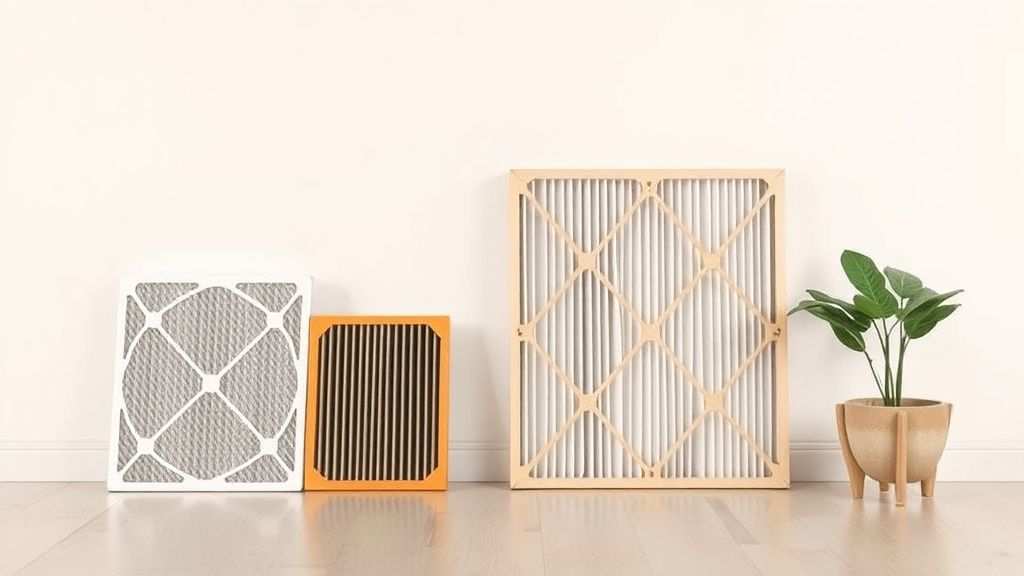
Understanding Air Filter Terminology
When it comes to maintaining indoor air quality, air filters play a crucial role. However, navigating the terminology associated with air filters can be overwhelming. This glossary breaks down the essential terms homeowners need to know to make informed decisions about their HVAC and furnace filters, air purifiers, and more.
Key Air Filter Terms Explained
Phone cases · Sponsored · 15% off first order
Phone Case Gift — They pick the model · 2 minutes Code FIRST15GIFT
MERV Rating
The Minimum Efficiency Reporting Value (MERV) is a standard that measures how effectively an air filter captures particles ranging from 0.3 to 10 microns. MERV ratings range from 1 to 20, with higher numbers indicating better filtration. For most homes, a MERV rating between 8 and 13 is ideal, as it balances efficiency with airflow. Filters with MERV 16 or higher are typically used in hospitals or cleanrooms and may restrict airflow in residential HVAC systems.
HEPA Filters
High-Efficiency Particulate Air (HEPA) filters are designed to capture at least 99.97% of particles as small as 0.3 microns. These filters are highly effective at removing allergens, dust, and other pollutants. While HEPA filters are commonly used in standalone air purifiers, they are not always compatible with standard HVAC systems due to their dense construction.
Activated Carbon Filters
Activated carbon filters are specialized filters designed to remove odors, gases, and volatile organic compounds (VOCs) from the air. They work by adsorbing these pollutants onto the surface of the carbon. These filters are often used in conjunction with other filtration systems to improve overall air quality.
Pleated vs. Non-Pleated Filters
Pleated filters have folds that increase the surface area, allowing them to capture more particles than flat, non-pleated filters. Pleated filters are more efficient and have a longer lifespan, making them a popular choice for homeowners. Non-pleated filters are typically cheaper but need to be replaced more frequently.
Electrostatic Filters
Electrostatic filters use an electric charge to attract and trap particles. They are available in both disposable and washable versions. While they can be effective for capturing smaller particles, their performance may decrease over time as the charge diminishes.
Washable vs. Disposable Filters
Washable filters are reusable and can be cleaned periodically, making them a more eco-friendly option. However, they require regular maintenance and may not be as effective as high-quality disposable filters. Disposable filters are convenient and widely used but need to be replaced every 1-3 months, depending on usage and air quality.
Air Purifiers vs. HVAC Filters
Air purifiers are standalone devices designed to clean the air in a specific room or area. They often use HEPA or activated carbon filters to remove pollutants. HVAC filters, on the other hand, are integrated into your heating and cooling system and filter air as it circulates through your home. While HVAC filters are essential for maintaining system efficiency, air purifiers can provide additional filtration for targeted areas.
Types of Air Filters
Fiberglass Filters
These are the most basic and affordable type of air filter. They capture larger particles like dust and debris but are less effective at trapping smaller allergens or pollutants. Fiberglass filters typically have a low MERV rating (1-4) and are best for households with minimal air quality concerns.
Polyester Filters
Polyester filters are more efficient than fiberglass filters and are often pleated to increase their surface area. They have a higher MERV rating (8-13) and are effective at capturing smaller particles like pollen and mold spores.
Electrostatic Filters
As mentioned earlier, these filters use an electric charge to attract particles. They are available in both disposable and washable forms and can be a good option for those looking for reusable filtration solutions.
HEPA Filters
HEPA filters are the gold standard for air filtration, capturing 99.97% of particles as small as 0.3 microns. They are commonly used in air purifiers and are ideal for households with severe allergies or respiratory issues.
UV Air Purifiers
UV air purifiers use ultraviolet light to kill bacteria, viruses, and mold spores. While they do not remove particles from the air, they can be a useful addition to other filtration systems for improving overall air quality.
What to Look for in an Air Filter
Phone cases · Sponsored · 15% off first order
Titan Case — Precision fit · 2,000+ designs Code FIRST15TIT
When choosing an air filter, consider the following factors to ensure it meets your needs:
- MERV Rating: Select a filter with a MERV rating appropriate for your home’s air quality needs. A MERV 8-13 filter is suitable for most households.
- Compatibility: Ensure the filter is compatible with your HVAC system or air purifier. Check the size and type required for your specific unit.
- Filter Type: Decide between pleated, non-pleated, electrostatic, or HEPA filters based on your filtration needs and maintenance preferences.
- Lifespan: Consider how often the filter needs to be replaced or cleaned. Disposable filters typically last 1-3 months, while washable filters require regular cleaning.
- Air Quality Concerns: If you have allergies, pets, or live in an area with high pollution, opt for a filter with a higher MERV rating or specialized features like activated carbon.
By understanding these terms and factors, homeowners can make informed decisions about their air filtration systems, ensuring cleaner, healthier air for their families.
Our picks worth a closer look
- Filtrete 16x25x1 AC Furnace Air Filter, MPR 1000 MERV 11Check on Amazon → — see current price and specs.
- GE MWF Refrigerator Water FilterCheck on Amazon → — see current price and specs.