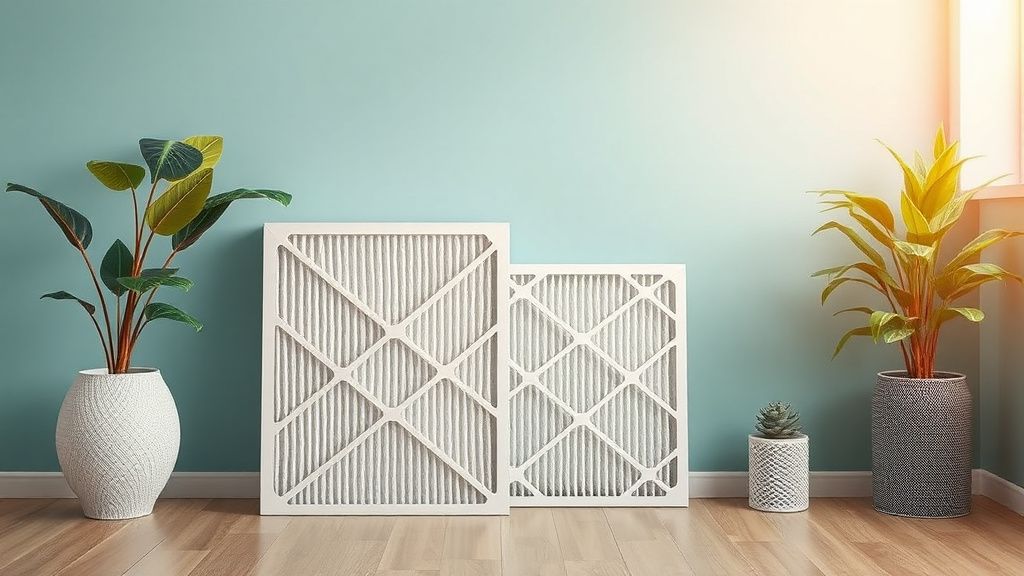
Why Monitor Your Home’s Air Quality?
Indoor air quality (IAQ) can significantly impact your health, comfort, and even your home’s HVAC efficiency. Poor air quality may lead to allergies, respiratory issues, or worsen existing conditions like asthma. Common indoor pollutants include dust, pet dander, mold spores, volatile organic compounds (VOCs), and even carbon monoxide.
While professional air quality testing is available, DIY methods can help you identify problems early and take corrective action—whether that means upgrading your furnace filter, using an air purifier, or improving ventilation.
DIY Air Quality Testing Methods
Phone cases · Sponsored · 15% off first order
Phone Case Gift — They pick the model · 2 minutes Code FIRST15GIFT
1. Visual Inspection
Before investing in tools, start with a simple visual check:
- Dust buildup on vents, furniture, and electronics indicates poor filtration.
- Condensation on windows suggests high humidity, which can lead to mold.
- Visible mold growth (black, green, or white spots) requires immediate attention.
What to do: If dust is excessive, check your HVAC filter’s MERV rating—upgrading to a higher-rated filter (MERV 11-13 for most homes) can help. For mold, improve ventilation and consider a dehumidifier.
2. Carbon Monoxide (CO) Detectors
CO is a silent, odorless killer. Every home with gas appliances or an attached garage should have a CO detector.
What to look for:
- Battery-operated or hardwired models with a digital display.
- UL-listed or CSA-certified for safety compliance.
- Replace detectors every 5-7 years.
3. Radon Test Kits
Radon is a radioactive gas linked to lung cancer. Test kits are available at hardware stores or online.
Types:
- Short-term tests (2-7 days): Quick snapshot of radon levels.
- Long-term tests (90+ days): More accurate for average exposure.
What to do: If levels exceed 4 pCi/L, hire a professional for mitigation.
4. Air Quality Monitors
Portable monitors measure multiple pollutants in real time, including:
- Particulate matter (PM2.5/PM10): Dust, pollen, smoke.
- VOCs: Emitted by paints, cleaners, and furniture.
- Temperature and humidity: High humidity promotes mold.
What to look for:
- Monitors with PM2.5 and VOC sensors (e.g., Temtop, Airthings).
- Wi-Fi connectivity for tracking trends via smartphone.
- Calibration options for accuracy.
5. Mold Test Kits
If you suspect mold but can’t see it, DIY test kits can identify spores.
Types:
- Petri dish tests: Collect samples and send to a lab.
- Surface swabs: Test visible mold for type.
Limitations: These kits don’t measure airborne mold levels—only professional testing can do that.
6. Humidity Gauges (Hygrometers)
Ideal humidity is 30-50%. Too high? Risk of mold. Too low? Dry skin and irritated sinuses.
What to look for:
- Digital hygrometers with temperature readings.
- Placement in problem areas (basements, bathrooms).
7. DIY Smoke Tests for Air Leaks
Poor ventilation traps pollutants. Use incense or a smoke pencil to check airflow:
- Hold near windows, doors, or vents.
- If smoke lingers, you have drafts or poor circulation.
Fix it: Seal leaks with weatherstripping and ensure your HVAC system is balanced.
Improving Air Quality Based on Test Results
High Particulate Matter (Dust, Pollen, Pet Dander)
- Upgrade your furnace filter: Use a MERV 11-13 filter for better capture (check HVAC compatibility first).
- Run an air purifier: HEPA filters remove 99.97% of particles.
- Vacuum regularly: Use a HEPA-filter vacuum.
High VOCs (Chemicals, Odors)
- Increase ventilation: Open windows or use an ERV (energy recovery ventilator).
- Switch to low-VOC products: Choose paints, cleaners, and furniture labeled “low-VOC.”
- Activated carbon filters: Effective in air purifiers for gas removal.
High Humidity or Mold Risk
- Use a dehumidifier: Aim for 30-50% humidity.
- Fix leaks: Repair plumbing or roof issues.
- Install exhaust fans: In bathrooms and kitchens.
Poor HVAC Airflow
- Change filters regularly: Every 1-3 months.
- Clean ducts: If dust buildup is severe.
- Check vent blockage: Ensure furniture isn’t obstructing airflow.
What to Look for in Air Quality Products
Phone cases · Sponsored · 15% off first order
Titan Case — Precision fit · 2,000+ designs Code FIRST15TIT
When selecting tools or upgrades for better air quality, consider:
- Accuracy: Look for sensor-based monitors over less precise color-changing tests.
- Compatibility: Ensure furnace filters match your HVAC’s MERV rating limits.
- Maintenance: Some devices (e.g., air purifiers) require filter replacements.
- Certifications: AHAM Verified (air purifiers), UL Listed (CO detectors).
Final Thoughts
DIY air quality testing is an affordable way to spot issues before they affect your health. Start with simple checks, then invest in monitors or test kits if needed. Pair testing with proper filtration (MERV-rated filters), ventilation, and air purifiers for a comprehensive approach. If tests reveal serious problems (like radon or structural mold), consult a professional.
By staying proactive, you can breathe easier knowing your home’s air is clean and safe.
Our picks worth a closer look
Phone cases · Sponsored · 15% off first order
Phone Cases For Charity — Every case supports a cause Code GIVE10- Filtrete 16x25x1 AC Furnace Air Filter, MPR 1000 MERV 11Check on Amazon → — see current price and specs.
- Utopia Bedding Bed Pillows for Sleeping Queen Size (Blue), Set of 6, Cooling HotCheck on Amazon → — see current price and specs.