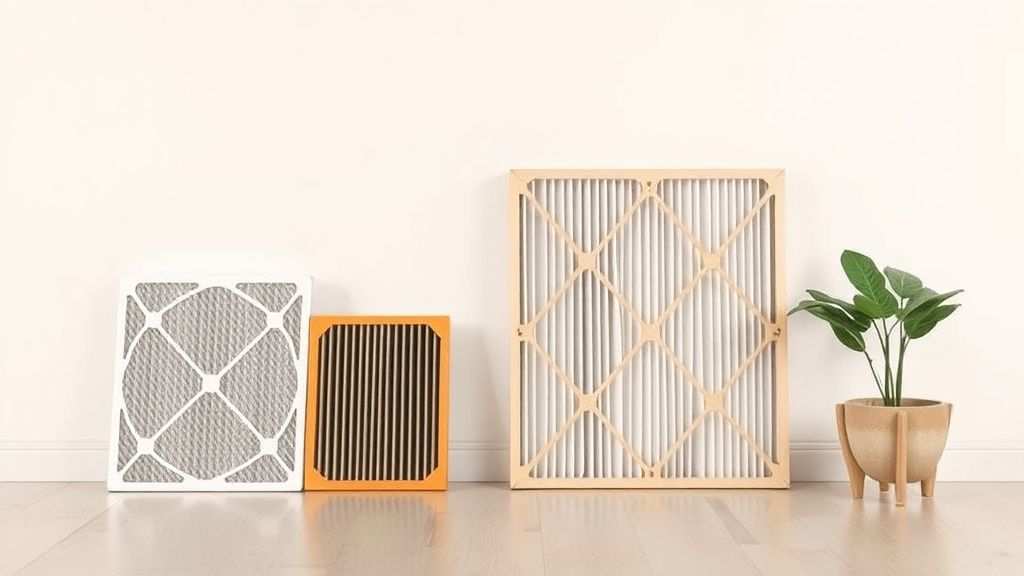
DIY Furnace Filter Replacement: A Step-by-Step Guide for Beginners
Replacing your furnace filter is one of the simplest yet most important maintenance tasks for your HVAC system. A clean filter improves air quality, enhances furnace efficiency, and prevents costly repairs. Whether you’re a first-time homeowner or just new to HVAC maintenance, this guide will walk you through the process step by step.
Why Furnace Filter Replacement Matters
A dirty or clogged furnace filter restricts airflow, forcing your HVAC system to work harder. This can lead to:
- Higher energy bills – Reduced airflow increases strain on the blower motor.
- Poor indoor air quality – Dust, pollen, and allergens recirculate in your home.
- System damage – Overheating or frozen coils may occur due to restricted airflow.
Most filters should be replaced every 1-3 months, depending on type and household conditions (e.g., pets, allergies, or high dust levels).
Types of Furnace Filters
Phone cases · Sponsored · 15% off first order
Phone Case Gift — They pick the model · 2 minutes Code FIRST15GIFT
Before replacing your filter, you need to know which kind you have. Common types include:
1. Fiberglass Filters
- Pros: Inexpensive, disposable, good for basic dust capture.
- Cons: Low efficiency (typically MERV 1-4), doesn’t trap small particles.
2. Pleated Filters
- Pros: Better filtration (MERV 8-13), lasts longer than fiberglass.
- Cons: Slightly more restrictive airflow, may need more frequent changes in high-pollution homes.
3. Electrostatic Filters
- Pros: Washable/reusable, good for trapping smaller particles.
- Cons: Requires regular cleaning, may not fit all systems.
4. HEPA Filters
- Pros: Highest filtration (MERV 17+), ideal for allergy sufferers.
- Cons: Often too restrictive for standard HVAC systems; check compatibility.
What to Look for in a New Filter
When selecting a replacement, consider:
- Size – Check your existing filter’s dimensions (printed on the frame).
- MERV Rating – Higher ratings (8-13) trap more particles but may reduce airflow if your system isn’t designed for them.
- Material – Pleated filters offer better filtration than fiberglass.
- Compatibility – Ensure the filter fits your furnace model (consult your manual if unsure).
Step-by-Step Replacement Guide
Phone cases · Sponsored · 15% off first order
Titan Case — Precision fit · 2,000+ designs Code FIRST15TIT
Step 1: Turn Off the Furnace
For safety, switch off the furnace at the thermostat and shut off power at the breaker if necessary.
Step 2: Locate the Filter Slot
Most filters are found:
- Inside the furnace (near the blower motor).
- In a wall or ceiling return air vent.
- Behind a removable panel on the HVAC unit.
Step 3: Remove the Old Filter
Slide the filter out carefully, noting the airflow direction (marked by arrows on the frame). Avoid shaking it to prevent dust dispersal.
Step 4: Inspect and Clean the Area
Use a vacuum or damp cloth to remove dust from the filter slot. This prevents debris from entering the system.
Step 5: Insert the New Filter
Align the arrows on the new filter with the furnace’s airflow direction (usually toward the blower motor). Slide it in securely.
Step 6: Restore Power and Test
Turn the furnace back on and check for proper airflow. Listen for unusual noises, which may indicate improper installation.
Maintenance Tips for Longer Filter Life
- Set reminders – Replace filters every 1-3 months (more often with pets or allergies).
- Check monthly – Inspect for excessive dirt buildup.
- Upgrade wisely – Higher MERV filters improve air quality but may require HVAC adjustments.
Troubleshooting Common Issues
Phone cases · Sponsored · 15% off first order
Phone Cases For Charity — Every case supports a cause Code GIVE10- Filter Won’t Fit? Double-check size and orientation. Some systems require custom sizes.
- Reduced Airflow? Ensure the filter isn’t too restrictive (MERV 13+ may need professional HVAC evaluation).
- Dust Blowing Out? The filter may be installed backward—recheck arrow direction.
Final Thoughts
Replacing your furnace filter is a quick, cost-effective way to protect your HVAC system and breathe cleaner air. By choosing the right filter and following these steps, you’ll keep your furnace running efficiently and your home’s air fresh.
Pro Tip: Mark replacement dates on a calendar or use a smart home app to track filter changes automatically.
Our picks worth a closer look
- Filtrete 16x25x1 AC Furnace Air Filter, MPR 1000 MERV 11Check on Amazon → — see current price and specs.
- Filtrete Healthy Living Ultra Allergen 16x25x1, MERV 13Check on Amazon → — see current price and specs.
- GE MWF Refrigerator Water FilterCheck on Amazon → — see current price and specs.
- Toner Kingdom Compatible Toner-Cartridge Replacement for Canon 054H 054 High YieCheck on Amazon → — see current price and specs.
- ecodot 552 Pigment Ink Refill Ink Bottle Replacement for Epson 552 Ink Used for Check on Amazon → — see current price and specs.