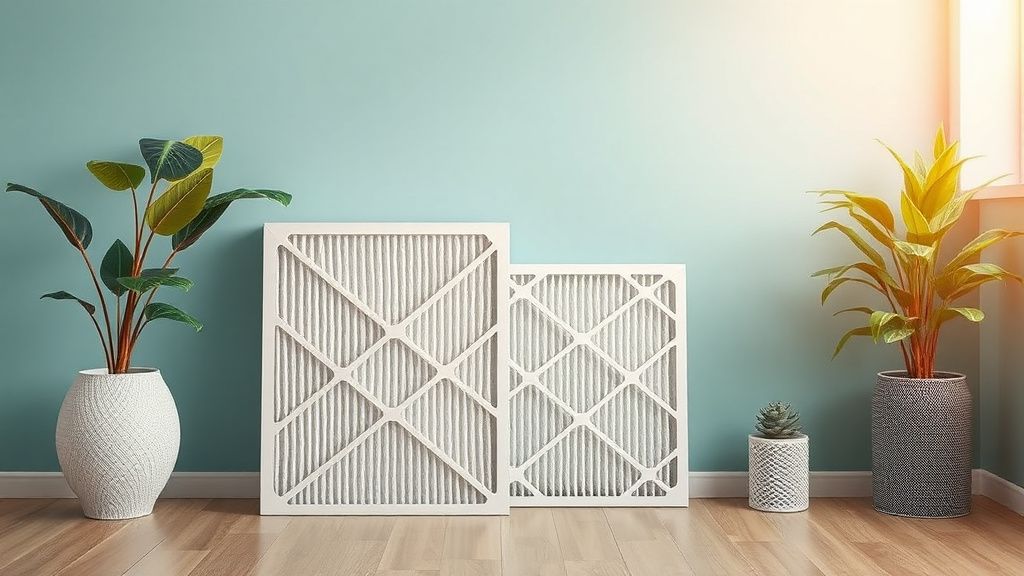
Understanding Airborne Contaminants
The air inside your home can contain a variety of pollutants, from microscopic dust particles to allergens like pet dander and pollen. These contaminants can affect indoor air quality, leading to respiratory issues, allergies, and discomfort. Understanding the types of pollutants is the first step in choosing the right air filtration solution.
Common Indoor Air Pollutants
- Dust and Particulate Matter: Tiny particles of dirt, skin flakes, and fibers that circulate in the air.
- Pet Dander: Microscopic flecks of skin shed by cats, dogs, and other furry animals.
- Pollen: Seasonal allergens that enter your home through open windows or on clothing.
- Mold Spores: Tiny reproductive units of mold that thrive in damp environments.
- Volatile Organic Compounds (VOCs): Gases emitted by household products like paints, cleaners, and air fresheners.
How Air Filtration Works
Phone cases · Sponsored · 15% off first order
Phone Case Gift — They pick the model · 2 minutes Code FIRST15GIFT
Air filtration systems capture and remove these contaminants from the air you breathe. The effectiveness of a filter depends on its design, material, and efficiency rating.
Mechanical Filtration
Mechanical filters, like HVAC and furnace filters, physically trap particles as air passes through them. They are made from materials like fiberglass, pleated fabric, or electrostatic fibers.
HEPA Filtration
High-Efficiency Particulate Air (HEPA) filters are a type of mechanical filter that captures 99.97% of particles as small as 0.3 microns. These are often used in standalone air purifiers for homes with severe allergies or asthma.
Activated Carbon Filtration
Activated carbon filters are designed to absorb gases, odors, and VOCs. They are often paired with mechanical filters in air purifiers to address both particulate and gaseous pollutants.
Types of Air Filters
HVAC and Furnace Filters
These filters are installed in your heating, ventilation, and air conditioning (HVAC) system to clean the air as it circulates through your home. They come in various sizes and efficiencies, measured by the Minimum Efficiency Reporting Value (MERV) rating.
- MERV 1-4: Basic filters that capture large particles like dust and lint.
- MERV 5-8: Mid-range filters that trap smaller particles, including mold spores and pet dander.
- MERV 9-12: High-efficiency filters suitable for homes with pets or mild allergies.
- MERV 13-16: Premium filters that capture even smaller particles, including some bacteria and smoke.
Standalone Air Purifiers
Air purifiers are portable devices that use a combination of filters to clean the air in a single room. They often include HEPA filters for particulate matter and activated carbon filters for odors and VOCs.
Electrostatic Filters
Electrostatic filters use an electric charge to attract and trap particles. They are washable and reusable, making them a cost-effective option for some homeowners.
The Importance of MERV Ratings
Phone cases · Sponsored · 15% off first order
Titan Case — Precision fit · 2,000+ designs Code FIRST15TIT
The MERV rating system helps you compare the efficiency of different air filters. Higher MERV ratings indicate better filtration, but they also restrict airflow more than lower-rated filters. It’s important to balance filtration needs with your HVAC system’s capabilities.
- MERV 8-11: Ideal for most homes, offering good filtration without overworking your HVAC system.
- MERV 13+: Best for homes with severe allergies or for those who want the highest level of air filtration.
What to Look for in an Air Filtration System
When choosing an air filter or purifier, consider the following factors:
- Your Specific Needs: Identify the primary pollutants in your home (e.g., dust, pet dander, VOCs).
- Filter Efficiency: Look for a MERV rating that matches your HVAC system and filtration needs.
- Size and Compatibility: Ensure the filter fits your HVAC system or that the air purifier is appropriate for the room size.
- Maintenance: Check how often the filter needs to be replaced or cleaned.
- Additional Features: Some air purifiers include UV-C lights to kill bacteria or smart sensors to monitor air quality.
Maintaining Your Air Filtration System
Phone cases · Sponsored · 15% off first order
Phone Cases For Charity — Every case supports a cause Code GIVE10Regular maintenance is essential to keep your air filtration system working effectively. Replace HVAC filters every 1-3 months, depending on usage and the type of filter. Clean washable filters according to the manufacturer’s instructions. For air purifiers, replace HEPA and carbon filters as recommended, typically every 6-12 months.
Improving Indoor Air Quality Beyond Filtration
While air filters are a crucial component of clean indoor air, they are most effective when combined with other strategies:
- Ventilation: Open windows regularly to allow fresh air to circulate.
- Humidity Control: Use a dehumidifier to prevent mold growth or a humidifier to maintain comfortable humidity levels.
- Source Control: Reduce pollutants by using low-VOC products, vacuuming regularly, and grooming pets frequently.
Conclusion
From dust to dander, airborne contaminants can significantly impact your home’s air quality. By understanding the science behind air filtration and choosing the right products for your needs, you can create a healthier and more comfortable living environment. Whether you opt for a high-MERV HVAC filter or a standalone air purifier, investing in clean air is an investment in your well-being.
Our picks worth a closer look
- Filtrete 16x25x1 AC Furnace Air Filter, MPR 1000 MERV 11Check on Amazon → — see current price and specs.