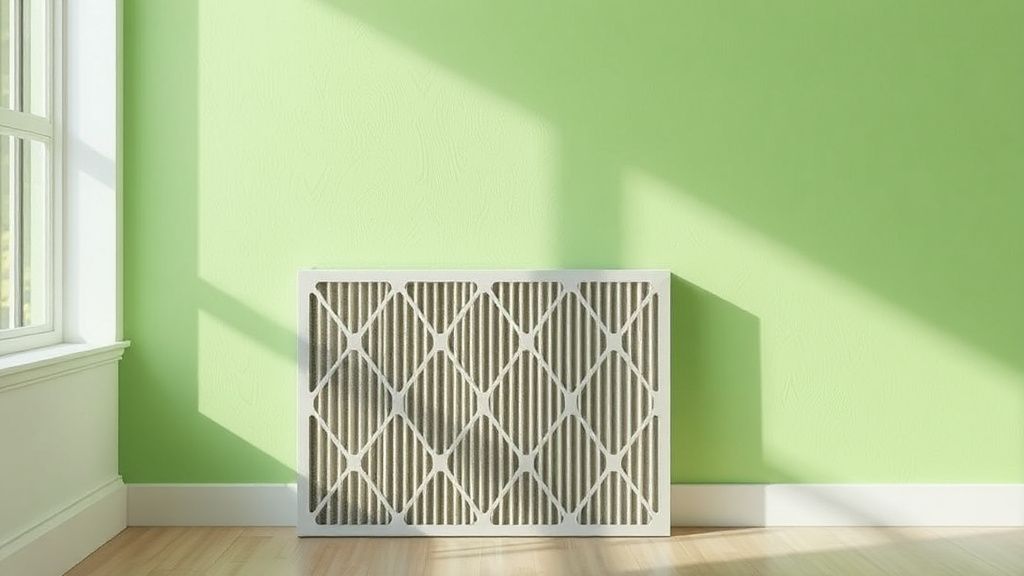
HEPA vs. MERV: Understanding the Differences for Optimal Air Quality
When it comes to improving indoor air quality, choosing the right air filter is critical. Two common terms you’ll encounter are HEPA and MERV, which refer to different filtration standards. While both aim to capture airborne particles, they serve distinct purposes and are used in different systems. Understanding their differences will help you select the best option for your home’s HVAC system, furnace, or standalone air purifier.
What Is MERV?
Phone cases · Sponsored · 15% off first order
Phone Case Gift — They pick the model · 2 minutes Code FIRST15GIFT
MERV (Minimum Efficiency Reporting Value) is a rating system developed by ASHRAE (American Society of Heating, Refrigerating, and Air-Conditioning Engineers) to measure a filter’s ability to trap particles between 0.3 and 10 microns. The scale ranges from MERV 1 (least efficient) to MERV 20 (most efficient).
Common MERV Ratings and Their Uses
- MERV 1–4: Basic filters, often made of fiberglass. These capture large particles like dust and lint but offer minimal protection against allergens or pathogens. Commonly used in residential furnaces where airflow is prioritized over filtration.
- MERV 5–8: Mid-range filters, typically pleated. These trap mold spores, pet dander, and larger pollen particles. Suitable for most homes with moderate air quality concerns.
- MERV 9–12: High-efficiency filters that capture smaller particles, including fine dust and some bacteria. Often used in hospitals, commercial buildings, and homes with allergy sufferers.
- MERV 13–16: Near-HEPA performance, capturing smoke, viruses, and most allergens. These filters may restrict airflow in standard HVAC systems, so check your system’s compatibility.
- MERV 17–20: True HEPA-equivalent filters, used in specialized environments like cleanrooms. Rarely compatible with residential HVAC systems due to high airflow resistance.
Where MERV Filters Are Used
MERV-rated filters are designed for HVAC systems, furnaces, and central air handlers. They are replaceable and come in standard sizes (e.g., 16x20x1 or 20x25x4). Higher MERV ratings provide better filtration but may require system adjustments to maintain airflow.
What Is HEPA?
HEPA (High-Efficiency Particulate Air) is a strict filtration standard that captures 99.97% of particles as small as 0.3 microns. Unlike MERV, HEPA is not a rating scale but a performance benchmark set by the U.S. Department of Energy.
Types of HEPA Filters
- True HEPA: Meets the DOE standard (99.97% efficiency at 0.3 microns). Used in medical facilities, labs, and high-end air purifiers.
- HEPA-Type: Captures 99% of particles at 2 microns or larger but doesn’t meet the true HEPA standard. Often found in budget air purifiers.
- Ultra-HEPA: Exceeds standard HEPA, capturing particles below 0.3 microns (e.g., viruses). Used in specialized industrial or medical settings.
Where HEPA Filters Are Used
HEPA filters are primarily found in standalone air purifiers and some whole-house ventilation systems. They are not typically used in standard HVAC systems because their dense material can restrict airflow, causing strain on the blower motor. However, some homes with advanced HVAC setups may incorporate HEPA filtration via a bypass system.
Key Differences Between HEPA and MERV
Phone cases · Sponsored · 15% off first order
Titan Case — Precision fit · 2,000+ designs Code FIRST15TIT
| Feature | HEPA Filters | MERV Filters |
|---|---|---|
| Efficiency | 99.97% at 0.3 microns | Varies (MERV 1–20) |
| Particle Size | Captures ultrafine particles (≥0.3µm) | Captures larger particles (≥0.3–10µm) |
| Usage | Air purifiers, specialized HVAC | Standard HVAC, furnaces |
| Airflow Impact | High resistance (may need bypass) | Varies (higher MERV = more resistance) |
| Replacement | Less frequent (6–12 months) | More frequent (1–3 months) |
Which One Should You Choose?
When to Use MERV Filters
- Your HVAC or furnace requires a standard filter.
- You need balanced filtration and airflow (MERV 8–13 is ideal for most homes).
- You want cost-effective, replaceable filters for regular maintenance.
When to Use HEPA Filters
- You need maximum filtration for allergies, asthma, or smoke.
- You use a standalone air purifier for targeted room cleaning.
- Your HVAC system is compatible with HEPA (via a bypass or dedicated air cleaner).
What to Look for When Choosing a Filter
Phone cases · Sponsored · 15% off first order
Phone Cases For Charity — Every case supports a cause Code GIVE10- Check Your System’s Requirements – Higher MERV or HEPA filters may require HVAC modifications.
- Assess Your Air Quality Needs – Allergies? Smoke? Pet dander? Match the filter to your concerns.
- Consider Maintenance – HEPA lasts longer but is pricier; MERV requires frequent replacements.
- Balance Filtration and Airflow – A clogged high-MERV filter can reduce efficiency and strain your system.
Final Thoughts
Both HEPA and MERV filters play crucial roles in maintaining clean air, but they serve different purposes. MERV filters are versatile and work well in standard HVAC systems, while HEPA filters provide superior filtration for standalone purifiers or specialized setups. By understanding their differences, you can make an informed choice for healthier indoor air.
Our picks worth a closer look
- Filtrete 16x25x1 AC Furnace Air Filter, MPR 1000 MERV 11Check on Amazon → — see current price and specs.
- Filtrete Healthy Living Ultra Allergen 16x25x1, MERV 13Check on Amazon → — see current price and specs.
- Utopia Bedding Bed Pillows for Sleeping Queen Size (Blue), Set of 6, Cooling HotCheck on Amazon → — see current price and specs.