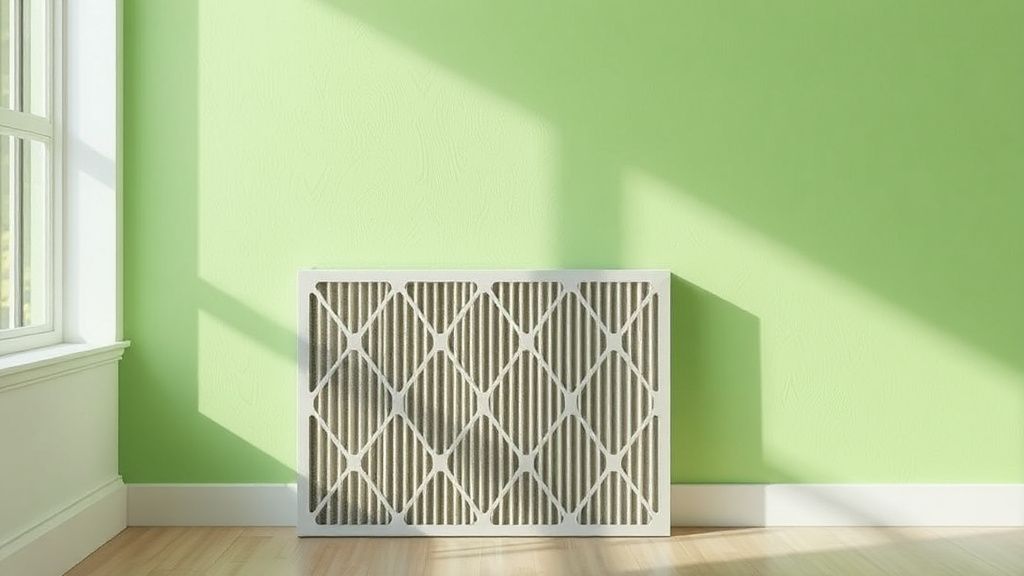
How Air Filters Impact Your HVAC System’s Efficiency
Your HVAC system is one of the most critical components of your home, ensuring comfort year-round. However, many homeowners overlook the role air filters play in maintaining efficiency. The right filter can improve airflow, reduce energy consumption, and extend the lifespan of your system, while the wrong one can cause strain, higher utility bills, and even premature failure.
In this article, we’ll explore how air filters affect HVAC efficiency, the different types available, and what to look for when choosing the best one for your home.
How Air Filters Work in Your HVAC System
Phone cases · Sponsored · 15% off first order
Phone Case Gift — They pick the model · 2 minutes Code FIRST15GIFT
Air filters trap dust, pollen, pet dander, and other airborne particles before they circulate through your HVAC system. Over time, these particles accumulate, restricting airflow if the filter isn’t replaced or cleaned (in the case of reusable filters). Restricted airflow forces your system to work harder, increasing energy consumption and wear on components like the blower motor and heat exchanger.
A clogged filter can also reduce indoor air quality by allowing trapped contaminants to recirculate. Conversely, a properly maintained filter ensures optimal airflow, keeping your system running smoothly.
The Relationship Between MERV Ratings and Efficiency
MERV (Minimum Efficiency Reporting Value) ratings indicate how effectively a filter captures particles. The scale ranges from 1 (least efficient) to 16 (most efficient), with higher-rated filters trapping smaller particles.
- MERV 1–4: Basic filters that capture large debris like dust and lint. These offer minimal resistance to airflow but provide little protection for your HVAC system or air quality.
- MERV 5–8: Standard filters that trap mold spores, pet dander, and larger allergens. These are common in residential systems and balance filtration with airflow.
- MERV 9–12: Higher-efficiency filters that capture smaller particles, including fine dust and some bacteria. These may slightly restrict airflow, so check your HVAC manufacturer’s recommendations.
- MERV 13–16: Near-HEPA level filters, often used in hospitals. These can significantly reduce airborne contaminants but may strain standard residential HVAC systems if not designed for high-MERV filters.
Using a filter with too high a MERV rating for your system can reduce efficiency by restricting airflow, while a filter with too low a rating won’t protect your system or air quality effectively.
Types of Air Filters and Their Efficiency Impact
Phone cases · Sponsored · 15% off first order
Titan Case — Precision fit · 2,000+ designs Code FIRST15TIT
1. Fiberglass Filters
- Efficiency: Low (MERV 1–4)
- Impact on HVAC: Minimal airflow restriction but offer little protection. Dust buildup on internal components can reduce efficiency over time.
- Best for: Homes with minimal air quality concerns and budget-conscious buyers.
2. Pleated Filters
- Efficiency: Medium (MERV 5–13)
- Impact on HVAC: Better filtration without excessive airflow restriction if the MERV rating matches the system’s capacity.
- Best for: Most residential systems, especially those with allergy sufferers.
3. Electrostatic Filters
- Efficiency: Medium to High (MERV 8–14, depending on design)
- Impact on HVAC: Washable versions can be reused, but improper cleaning may reduce effectiveness. Disposable versions perform similarly to pleated filters.
- Best for: Those looking for reusable options with decent filtration.
4. HEPA Filters
- Efficiency: Very High (MERV 17+ technically, but often used in standalone air purifiers)
- Impact on HVAC: Most residential HVAC systems aren’t designed for true HEPA filters, which can cause excessive strain.
- Best for: Standalone air purifiers or specialized HVAC systems built for HEPA filtration.
5. Activated Carbon Filters
- Efficiency: Low for particles, high for odors/VOCs
- Impact on HVAC: Often paired with another filter (e.g., pleated). Adds minimal airflow resistance but doesn’t improve particle filtration alone.
- Best for: Homes needing odor or chemical vapor removal.
How a Dirty Filter Reduces HVAC Efficiency
A clogged air filter forces your HVAC system to work harder, leading to:
- Higher Energy Bills: Restricted airflow makes the blower motor run longer to maintain temperature, increasing electricity usage.
- Reduced Lifespan: Overworked components, like the heat exchanger or compressor, wear out faster.
- Uneven Heating/Cooling: Poor airflow can cause hot or cold spots in your home.
- Frozen Coils (AC): In cooling systems, low airflow can cause refrigerant coils to freeze, leading to costly repairs.
To prevent these issues, check your filter monthly and replace it every 1–3 months, depending on usage and filter type.
What to Look for in an Air Filter
Phone cases · Sponsored · 15% off first order
Phone Cases For Charity — Every case supports a cause Code GIVE10When selecting an air filter for your HVAC system, consider:
- MERV Rating: Choose the highest rating your system can handle without restricting airflow (check your HVAC manual).
- Filter Size: An improperly sized filter won’t seal correctly, allowing unfiltered air to bypass it.
- Material: Pleated filters offer a good balance of filtration and airflow for most homes.
- Frequency of Replacement: Disposable filters are convenient but require regular changes. Washable filters need proper maintenance.
- Special Needs: If allergies or odors are a concern, consider filters with added features like activated carbon.
Conclusion
Your HVAC system’s efficiency depends heavily on the air filter you use. The right filter improves airflow, reduces energy consumption, and protects your system from unnecessary wear. By understanding MERV ratings, filter types, and maintenance schedules, you can make an informed choice that keeps your home comfortable and your HVAC system running efficiently for years to come.
Our picks worth a closer look
- Filtrete 16x25x1 AC Furnace Air Filter, MPR 1000 MERV 11Check on Amazon → — see current price and specs.
- Filtrete Healthy Living Ultra Allergen 16x25x1, MERV 13Check on Amazon → — see current price and specs.