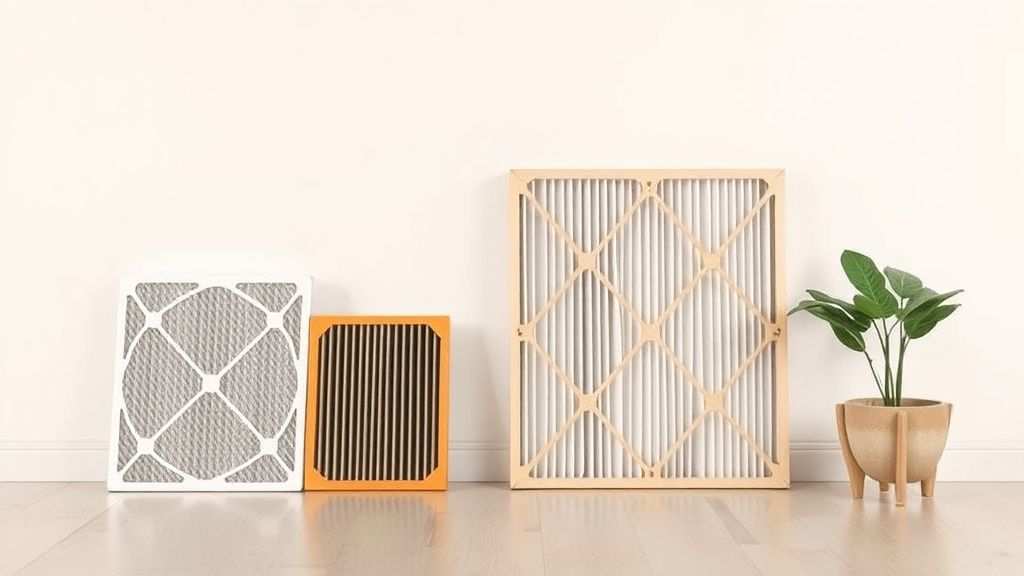
Why Air Filters Matter
Air filters play a crucial role in maintaining indoor air quality and ensuring your HVAC system runs efficiently. They trap dust, pollen, pet dander, mold spores, and other airborne particles, preventing them from circulating through your home. A clean air filter also reduces strain on your HVAC system, lowering energy costs and extending the lifespan of your equipment.
However, air filters don’t last forever. Over time, they become clogged with debris, reducing their effectiveness and potentially harming your system. Knowing how often to change your air filter is essential for maintaining a healthy home environment and optimizing your HVAC system’s performance.
Factors That Determine How Often to Change Your Air Filter
Phone cases · Sponsored · 15% off first order
Phone Case Gift — They pick the model · 2 minutes Code FIRST15GIFT
The frequency of air filter changes depends on several factors, including:
1. Type of Air Filter
Air filters come in different types and MERV (Minimum Efficiency Reporting Value) ratings, which range from 1 to 16 for residential use.
- MERV 1-4 (Basic Filters): These are typically fiberglass or disposable filters designed to protect your HVAC system from large particles. They need replacement every 30 days.
- MERV 5-8 (Mid-Range Filters): These filters capture smaller particles like dust and pollen. They should be replaced every 60-90 days.
- MERV 9-12 (High-Efficiency Filters): These filters trap even smaller particles, including mold spores and pet dander. Replace them every 90 days.
- MERV 13-16 (HEPA-Like Filters): These filters are highly efficient and often used in air purifiers. They require replacement every 6-12 months but may restrict airflow in standard HVAC systems.
2. Home Environment
Your living situation significantly impacts how often you should change your air filter:
- Pets: Homes with dogs or cats produce more pet hair and dander, requiring more frequent filter changes—every 30-60 days.
- Allergies: If someone in your household has allergies or asthma, consider changing the filter every 30-45 days to maintain cleaner air.
- High Dust Levels: Homes in dusty areas or with frequent construction nearby may need filter changes every 30 days.
- Smoking: Cigarette smoke leaves residue on filters, necessitating replacements every 30-45 days.
3. HVAC System Usage
How often you use your HVAC system also affects filter lifespan:
- Heavy Use: If you run your system constantly (e.g., during extreme summer or winter months), change the filter every 30-60 days.
- Light Use: For seasonal use, you may only need to replace the filter every 90 days.
4. Filter Size and Thickness
Thicker filters (e.g., 4-5 inches) have more surface area and can trap more particles, lasting longer than thinner filters (1-2 inches). For example, a 4-inch filter may last up to 6 months, while a 1-inch filter may require replacement every 30-60 days.
General Guidelines for Air Filter Replacement
While individual circumstances vary, here are some general recommendations:
- Every 30 Days: For basic filters, homes with pets, allergies, or high dust levels.
- Every 60 Days: For mid-range filters in average households.
- Every 90 Days: For high-efficiency filters in homes with minimal allergens or pets.
- Every 6-12 Months: For HEPA-like filters or thicker filters in low-use environments.
Always check your HVAC system’s manual for specific recommendations, as some systems may have unique requirements.
Signs It’s Time to Change Your Air Filter
Phone cases · Sponsored · 15% off first order
Titan Case — Precision fit · 2,000+ designs Code FIRST15TIT
Even if you follow a schedule, keep an eye out for these signs that your air filter needs replacement:
- Increased Dust: More dust on surfaces or visible particles in the air.
- Reduced Airflow: Weak airflow from vents or longer cooling/heating cycles.
- Higher Energy Bills: Clogged filters make your HVAC system work harder, increasing energy consumption.
- Unusual Odors: Musty or stale smells may indicate a dirty filter.
- Allergy Symptoms: Increased sneezing, coughing, or congestion.
What to Look for When Choosing an Air Filter
When selecting an air filter, consider the following factors:
1. MERV Rating
Choose a MERV rating that balances air filtration and system compatibility. Higher MERV filters capture more particles but may restrict airflow if your system isn’t designed for them.
2. Filter Size
Measure your existing filter or check your HVAC manual for the correct size. Standard sizes include 16x20x1, 20x25x1, and 16x25x5.
3. Filter Type
Decide between disposable, washable, or electrostatic filters based on your budget and preferences.
4. Allergen-Specific Filters
If allergies are a concern, look for filters designed to capture allergens like pollen, mold, or pet dander.
5. Carbon Filters
For homes with odors or smoke, consider filters with activated carbon to neutralize smells.
Maintaining Your Air Filter
Phone cases · Sponsored · 15% off first order
Phone Cases For Charity — Every case supports a cause Code GIVE10In addition to regular replacements, take these steps to keep your air filter in good condition:
- Inspect Monthly: Check your filter monthly for dirt buildup.
- Clean the Surrounding Area: Keep the area around your HVAC system clean to reduce debris entering the filter.
- Schedule HVAC Maintenance: Have your system inspected annually to ensure it’s running efficiently.
Conclusion
Changing your air filter regularly is one of the simplest yet most effective ways to improve indoor air quality and protect your HVAC system. By considering factors like filter type, home environment, and system usage, you can determine the ideal replacement schedule for your needs.
Remember, a clean air filter not only ensures cleaner air but also saves you money on energy bills and prevents costly HVAC repairs. Make air filter maintenance a priority, and your home will thank you with fresher, healthier air.
Our picks worth a closer look
- Filtrete 16x25x1 AC Furnace Air Filter, MPR 1000 MERV 11Check on Amazon → — see current price and specs.
- GE MWF Refrigerator Water FilterCheck on Amazon → — see current price and specs.