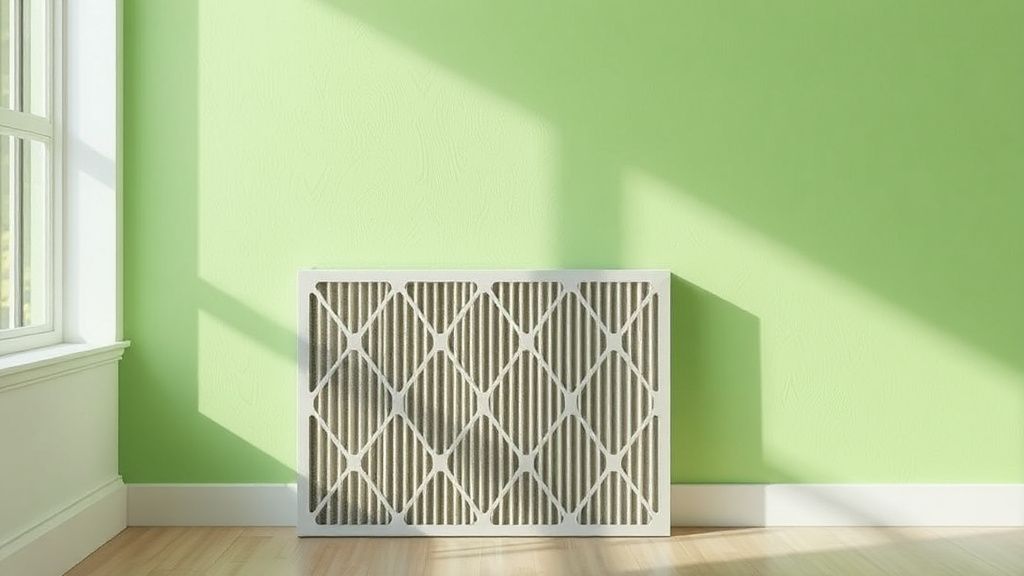
Why Air Filtration Matters for a Healthy Home
Indoor air quality (IAQ) directly impacts health, comfort, and overall well-being. Poor air quality can lead to allergies, respiratory issues, and long-term health problems. Dust, pollen, pet dander, mold spores, and volatile organic compounds (VOCs) are common indoor pollutants. A well-designed air filtration system helps remove these contaminants, creating a cleaner, healthier living space.
Understanding Air Filtration Systems
Phone cases · Sponsored · 15% off first order
Phone Case Gift — They pick the model · 2 minutes Code FIRST15GIFT
Air filtration works by trapping airborne particles as air circulates through your HVAC system or standalone air purifier. The effectiveness depends on the filter type, MERV rating, and system compatibility. Here are the key components:
HVAC and Furnace Filters
Most homes rely on HVAC systems for heating and cooling, which include built-in air filters. These filters capture dust and debris before air circulates through ducts. Common types include:
- Fiberglass Filters – Basic, disposable filters that trap large particles but offer minimal protection against smaller allergens.
- Pleated Filters – Made of polyester or cotton folds, these capture more particles and last longer than fiberglass.
- Electrostatic Filters – Use static charge to attract particles; some are washable and reusable.
- HEPA Filters – High-Efficiency Particulate Air (HEPA) filters capture 99.97% of particles 0.3 microns or larger but require compatible HVAC systems.
Standalone Air Purifiers
For homes without central HVAC or for supplemental filtration, air purifiers are an excellent option. Types include:
- HEPA Air Purifiers – Ideal for allergy sufferers, removing fine particles like pollen and pet dander.
- Activated Carbon Filters – Absorb odors, smoke, and VOCs but don’t trap particles.
- UV-C Air Purifiers – Use ultraviolet light to kill bacteria and viruses but don’t filter particles.
- Ionizers – Release charged ions to attract particles, but some produce ozone, a potential lung irritant.
Choosing the Right MERV Rating
The Minimum Efficiency Reporting Value (MERV) measures a filter’s ability to capture particles. Ratings range from 1 (least efficient) to 20 (most efficient).
- MERV 1-4 – Basic filtration for large dust particles (fiberglass filters).
- MERV 5-8 – Good for residential use, capturing mold spores and pet dander (pleated filters).
- MERV 9-12 – Better for allergy sufferers, trapping fine dust and auto emissions.
- MERV 13-16 – Hospital-grade filtration, capturing bacteria and smoke (best for high-risk households).
Note: Higher MERV ratings restrict airflow, so check if your HVAC system can handle them.
Maintaining Your Air Filtration System
Phone cases · Sponsored · 15% off first order
Titan Case — Precision fit · 2,000+ designs Code FIRST15TIT
Proper maintenance ensures efficiency and longevity:
-
Replace Filters Regularly
- Standard 1-inch filters: Every 30-90 days.
- Thicker 4-5-inch filters: Every 6-12 months.
- Air purifier filters: Follow manufacturer guidelines (typically 6-12 months).
-
Check for Airflow Issues
- A clogged filter reduces efficiency and strains your HVAC system.
- If your system struggles with high-MERV filters, consider a lower rating or a standalone purifier.
-
Clean Ducts and Vents
- Dust buildup in ducts can reintroduce pollutants. Professional cleaning every 3-5 years is recommended.
-
Monitor Humidity Levels
- High humidity promotes mold growth; use a dehumidifier if needed.
- Ideal indoor humidity: 30-50%.
What to Look for in an Air Filtration System
When selecting filters or purifiers, consider:
- Particle Removal Needs – Allergy sufferers benefit from HEPA or MERV 11+. For odors, activated carbon is key.
- System Compatibility – Ensure filters fit your HVAC without restricting airflow.
- Noise Levels – Some air purifiers can be loud; check decibel ratings if used in bedrooms.
- Energy Efficiency – Look for ENERGY STAR-certified purifiers to save on electricity.
- Filter Replacement Costs – Some systems have expensive proprietary filters; factor in long-term costs.
Final Thoughts
Phone cases · Sponsored · 15% off first order
Phone Cases For Charity — Every case supports a cause Code GIVE10A healthy home starts with clean air. By choosing the right filters, maintaining your system, and supplementing with air purifiers when needed, you can significantly improve indoor air quality. Assess your household’s specific needs—whether it’s allergy relief, odor control, or virus protection—and invest in the right solutions for a fresher, safer living environment.
Our picks worth a closer look
- Filtrete Healthy Living Ultra Allergen 16x25x1, MERV 13Check on Amazon → — see current price and specs.
- Filtrete 16x25x1 AC Furnace Air Filter, MPR 1000 MERV 11Check on Amazon → — see current price and specs.