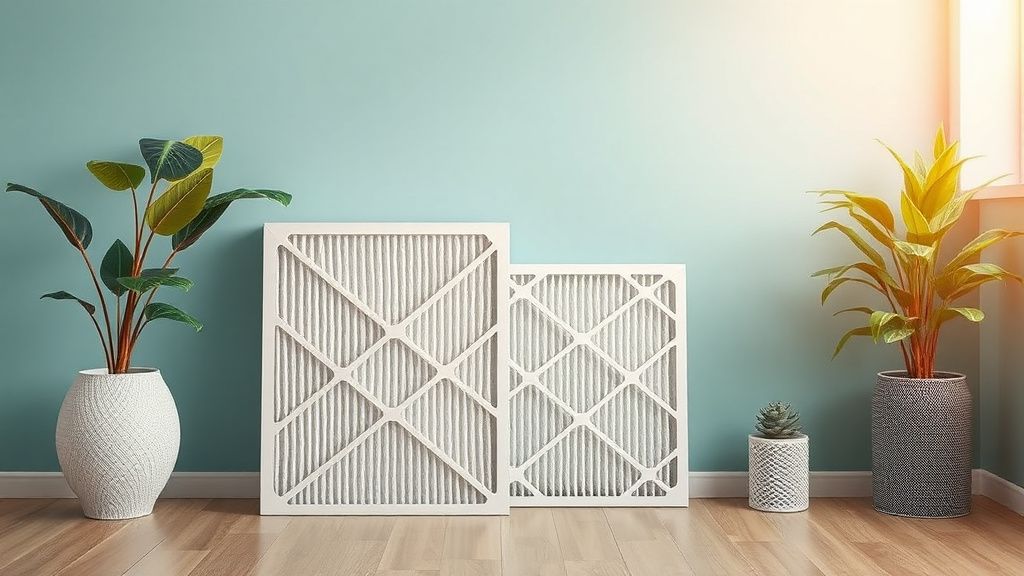
How to Detect Poor Indoor Air Quality: Warning Signs to Look For
Poor indoor air quality (IAQ) can negatively impact your health, comfort, and even your home’s HVAC efficiency. Recognizing the warning signs early can help you take corrective action—whether that means upgrading your furnace filter, adjusting your ventilation, or investing in an air purifier. Below, we’ll explore the key indicators of poor IAQ and what steps you can take to improve it.
Physical Symptoms of Poor Indoor Air Quality
Your body often reacts to airborne pollutants before you notice visible signs. Common symptoms include:
- Persistent Allergies or Respiratory Issues – Sneezing, coughing, congestion, or worsened asthma may indicate dust, pollen, or mold spores in the air.
- Headaches or Dizziness – High levels of volatile organic compounds (VOCs) from cleaning products, paint, or adhesives can cause these symptoms.
- Dry or Irritated Eyes, Nose, or Throat – Low humidity or airborne irritants can lead to discomfort.
- Unexplained Fatigue – Poor ventilation can cause a buildup of carbon dioxide (CO₂), making you feel sluggish.
If these symptoms improve when you leave home but return indoors, poor IAQ is likely the culprit.
Visible Signs of Air Contaminants
Phone cases · Sponsored · 15% off first order
Phone Case Gift — They pick the model · 2 minutes Code FIRST15GIFT
Some pollutants leave visible traces in your home:
- Excessive Dust Buildup – If dust accumulates quickly on surfaces, your HVAC filter may be ineffective (check its MERV rating—aim for MERV 8-13 for residential use).
- Mold or Mildew Growth – Dark spots on walls, ceilings, or around vents suggest high humidity or water leaks, which worsen air quality.
- Yellowing or Discolored Walls – This could indicate tobacco smoke or soot particles in the air.
- Condensation on Windows – Excess moisture encourages mold and dust mites.
Unpleasant Odors
Strange or lingering smells often signal poor IAQ:
- Musty or Damp Smells – Usually caused by mold, mildew, or stagnant water in ducts.
- Chemical or Burning Odors – May come from VOCs in new furniture, cleaning agents, or a malfunctioning furnace.
- Persistent Pet or Cooking Odors – Inadequate ventilation or a weak air filter can trap odors.
If odors linger despite cleaning, consider an air purifier with activated carbon filtration to neutralize smells.
HVAC System Issues
Phone cases · Sponsored · 15% off first order
Titan Case — Precision fit · 2,000+ designs Code FIRST15TIT
Your heating and cooling system can reveal air quality problems:
- Frequent Filter Clogs – If your furnace filter gets dirty too fast, your home has high particulate levels. Upgrade to a higher MERV-rated filter (if compatible with your system).
- Uneven Airflow – Blocked vents or dirty ducts can restrict circulation, trapping pollutants.
- Excessive Dust Around Vents – Indicates poor filtration or duct leaks.
- Short Cycling or Overworked HVAC – A struggling system may not filter air effectively.
What to Look for in Your Home
To assess IAQ, conduct a simple inspection:
- Check Air Filters – Replace disposable filters every 1-3 months; wash reusable ones monthly.
- Inspect Vents and Ducts – Look for dust buildup, mold, or obstructions.
- Monitor Humidity Levels – Ideal indoor humidity is 30-50%. Use a hygrometer to check.
- Test for CO₂ or VOCs – Affordable air quality monitors can detect harmful gases.
- Observe Airflow – Hold a tissue near vents—if it doesn’t flutter, airflow may be weak.
Improving Indoor Air Quality
Phone cases · Sponsored · 15% off first order
Phone Cases For Charity — Every case supports a cause Code GIVE10Once you identify issues, take action:
- Upgrade Your HVAC Filter – Higher MERV ratings (11-13) capture finer particles but may require system adjustments.
- Use an Air Purifier – HEPA filters remove 99.97% of particles; activated carbon filters tackle odors and VOCs.
- Increase Ventilation – Open windows when possible or use an energy recovery ventilator (ERV).
- Control Humidity – Dehumidifiers prevent mold; humidifiers add moisture in dry climates.
- Clean Ducts Regularly – Professional duct cleaning removes accumulated dust and allergens.
Final Thoughts
Detecting poor indoor air quality early helps protect your health and HVAC system. By watching for symptoms, odors, and HVAC inefficiencies—and taking proactive steps like filter upgrades or air purification—you can breathe easier in a cleaner, healthier home.
Our picks worth a closer look
- Filtrete 16x25x1 AC Furnace Air Filter, MPR 1000 MERV 11Check on Amazon → — see current price and specs.
- Utopia Bedding Bed Pillows for Sleeping Queen Size (Blue), Set of 6, Cooling HotCheck on Amazon → — see current price and specs.