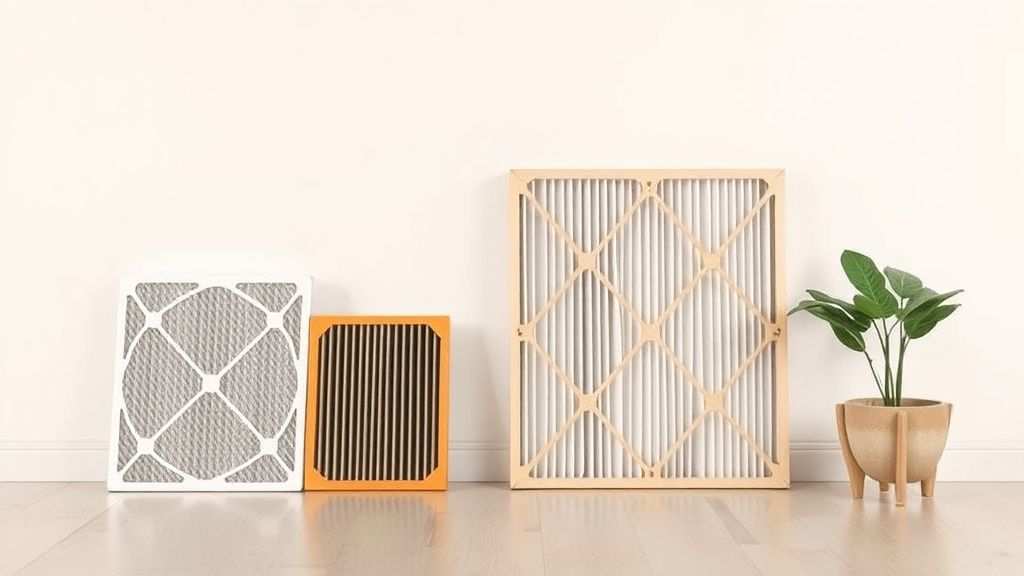
How to Diagnose and Fix Common Air Filter Problems
A well-functioning air filter is essential for maintaining good indoor air quality and ensuring your HVAC system runs efficiently. Dirty, clogged, or improperly installed filters can lead to poor airflow, higher energy bills, and even system breakdowns. In this guide, we’ll walk you through how to diagnose and fix common air filter problems, whether you’re using a standard furnace filter, a high-MERV filter, or an air purifier.
Signs Your Air Filter Has a Problem
Phone cases · Sponsored · 15% off first order
Phone Case Gift — They pick the model · 2 minutes Code FIRST15GIFT
Before diving into fixes, it’s important to recognize the symptoms of a failing air filter:
- Reduced Airflow – Weak or uneven airflow from vents.
- Higher Energy Bills – A clogged filter forces the HVAC system to work harder.
- Dust Buildup – Excessive dust on furniture or around vents.
- Unusual Noises – Whistling or straining sounds from the HVAC unit.
- Longer HVAC Cycles – The system runs longer to reach the desired temperature.
- Allergy Flare-Ups – More sneezing, coughing, or respiratory irritation.
If you notice any of these issues, your air filter may need attention.
Common Air Filter Problems and Solutions
1. Clogged or Dirty Filter
Problem: Over time, filters trap dust, pollen, pet dander, and other particles, reducing airflow.
Solution:
- Check the Filter Monthly – Pull it out and hold it up to a light source. If you can’t see light through it, it’s time for a replacement.
- Replace or Clean as Needed
- Disposable Filters (fiberglass or pleated): Replace every 1-3 months, depending on usage and MERV rating.
- Washable Filters (often found in air purifiers): Rinse with water and let dry completely before reinstalling.
- High-MERV Filters (MERV 11-13+):
- These capture more particles but clog faster. Replace every 1-2 months in high-use seasons.
2. Incorrect Filter Size
Problem: A filter that’s too small allows unfiltered air to bypass it, while one that’s too large won’t fit properly, reducing efficiency.
Solution:
- Measure Your Filter Slot – Check the length, width, and depth (e.g., 16x25x1 inches).
- Buy the Right Size – Never force a filter into place. If your system uses a non-standard size, look for custom-cut options.
3. Wrong MERV Rating for Your System
Problem: High-MERV filters (MERV 13+) restrict airflow in systems not designed for them, causing strain. Low-MERV filters (MERV 6-8) may not capture enough allergens.
Solution:
- Check Your HVAC Manual – Most residential systems work best with MERV 8-11.
- Balance Filtration and Airflow – If you need better filtration (e.g., for allergies), consider a MERV 11-13 filter but monitor system performance.
- Use a Standalone Air Purifier – For HEPA-level filtration without straining your HVAC.
4. Filter Installed Backwards
Problem: Air filters have an airflow direction (marked by arrows). Installing them backward reduces efficiency.
Solution:
- Check the Arrow – The arrow should point toward the furnace or air handler.
- Mark the Direction – Use a permanent marker to label the correct orientation if needed.
5. Air Bypass Due to Poor Seal
Problem: Gaps around the filter let dirty air slip past, reducing filtration.
Solution:
- Use a Filter Gasket – Some filters come with foam edges to seal gaps.
- Check the Filter Rack – If the frame is bent or damaged, replace it to ensure a snug fit.
6. Mold or Odors from the Filter
Problem: Excess moisture can cause mold growth, leading to musty smells.
Solution:
- Check for Humidity Issues – Use a dehumidifier if indoor humidity is above 50%.
- Replace the Filter Immediately – Mold spores can spread through the HVAC system.
- Consider an Activated Carbon Filter – Helps neutralize odors (common in air purifiers).
What to Look for in an Air Filter
Phone cases · Sponsored · 15% off first order
Titan Case — Precision fit · 2,000+ designs Code FIRST15TIT
When selecting or troubleshooting an air filter, keep these factors in mind:
- MERV Rating – Higher isn’t always better; match it to your system’s capacity.
- Filter Type – Fiberglass (cheap, low efficiency), pleated (better filtration), HEPA (best for allergens, but usually for air purifiers).
- Size – Exact dimensions matter; never trim a filter to fit.
- Airflow Direction – Arrows must face the correct way.
- Maintenance Needs – Disposable vs. washable, and replacement frequency.
Preventative Maintenance Tips
To avoid frequent air filter problems:
- Set Reminders – Replace filters every 1-3 months (or clean washable ones monthly).
- Seasonal Checks – Inspect filters more often during high-pollen seasons or if you have pets.
- Upgrade if Needed – If allergies are a concern, consider adding a standalone air purifier with a HEPA filter.
By diagnosing and fixing these common air filter issues, you’ll improve air quality, extend your HVAC system’s lifespan, and save on energy costs. Regular checks and proper filter selection are key to maintaining a healthy home environment.
Our picks worth a closer look
Phone cases · Sponsored · 15% off first order
Phone Cases For Charity — Every case supports a cause Code GIVE10- Filtrete 16x25x1 AC Furnace Air Filter, MPR 1000 MERV 11Check on Amazon → — see current price and specs.
- GE MWF Refrigerator Water FilterCheck on Amazon → — see current price and specs.