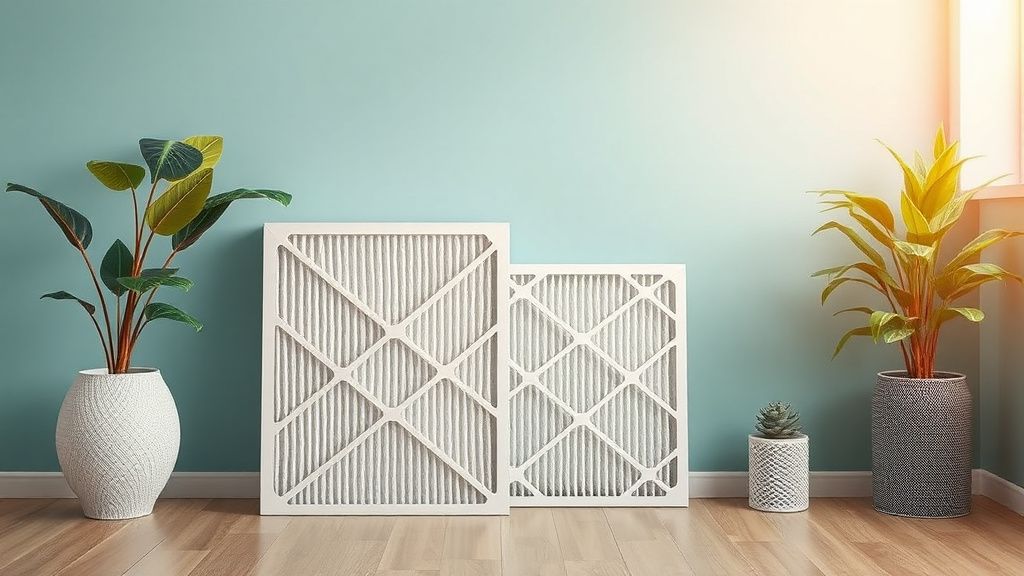
How to Identify and Replace Specialty Air Filters
Specialty air filters play a crucial role in maintaining indoor air quality, especially for homes with unique HVAC needs. Whether you’re dealing with allergies, pets, or high-efficiency systems, selecting the right filter ensures cleaner air and optimal system performance. This guide covers how to identify, choose, and replace specialty air filters effectively.
Understanding Specialty Air Filters
Specialty air filters are designed for specific purposes beyond standard filtration. They often feature advanced materials, higher MERV ratings, or specialized designs to target pollutants like:
- Allergens (pollen, dust mites, pet dander)
- Microbial contaminants (mold spores, bacteria)
- Odors and VOCs (volatile organic compounds from cleaning products or smoke)
Common types include:
- High-MERV filters (MERV 11-16 for finer particle capture)
- HEPA-grade filters (near-HEPA efficiency, often for air purifiers)
- Activated carbon filters (for odor and chemical absorption)
- Washable/reusable filters (eco-friendly but require maintenance)
How to Identify Your Current Specialty Filter
Phone cases · Sponsored · 15% off first order
Phone Case Gift — They pick the model · 2 minutes Code FIRST15GIFT
Before replacing your filter, confirm its type and specifications:
- Check the filter frame – Most filters have printed details (size, MERV rating, type).
- Measure dimensions – Note the length, width, and thickness (e.g., 16x25x1 inches).
- Look for markings – Specialty filters may indicate “carbon,” “allergen,” or “HEPA-like.”
- Review your HVAC manual – Some systems require specific filter types to avoid airflow restrictions.
If unsure, take a photo of the filter and consult an HVAC professional or retailer.
When to Replace Specialty Filters
Unlike standard filters, specialty filters may have different replacement schedules:
- High-MERV filters (every 2-3 months due to faster clogging).
- Carbon filters (every 3-6 months, as odors saturate the media).
- Washable filters (clean every 1-2 months, inspect for wear annually).
Signs you need a replacement:
- Reduced airflow from vents
- Increased dust buildup
- Lingering odors despite filtration
- Allergy symptoms worsening
Choosing the Right Replacement Filter
Phone cases · Sponsored · 15% off first order
Titan Case — Precision fit · 2,000+ designs Code FIRST15TIT
What to Look For
- MERV Rating – Higher ratings (11-16) trap smaller particles but may restrict airflow in older systems.
- Filter Media –
- Pleated synthetic fibers for dust and allergens.
- Carbon layers for odors and chemicals.
- Electrostatic charge for enhanced particle capture.
- Compatibility – Ensure the filter fits your HVAC or furnace (check depth; some systems need 4- or 5-inch filters).
- Airflow Resistance – High-efficiency filters can strain blower motors; consult your HVAC manual.
Specialty Filter Options
- For Allergies: MERV 13+ pleated filters with allergen-specific labeling.
- For Pets: Filters with antimicrobial coatings or extra carbon for dander/odors.
- For Smoke/VOCs: Deep-bed carbon filters or hybrid carbon-pleated designs.
Step-by-Step Replacement Guide
- Turn Off the System – Prevent debris from circulating during the swap.
- Remove the Old Filter – Slide it out carefully, noting the airflow direction (arrows on the frame).
- Inspect the Slot – Clean any dust or debris in the filter housing.
- Insert the New Filter – Align the arrows with the airflow direction (usually toward the furnace/duct).
- Secure the Cover – Ensure no gaps around the edges to bypass filtration.
- Restart the System – Monitor for unusual noises or airflow changes.
Maintaining Specialty Filters
Phone cases · Sponsored · 15% off first order
Phone Cases For Charity — Every case supports a cause Code GIVE10- Track replacements – Use a calendar or app reminders.
- Inspect monthly – Check for clogs or damage, especially during peak usage.
- Test airflow – Hold a tissue near vents; weak airflow may indicate a clogged filter.
Troubleshooting Common Issues
- Reduced Airflow: Switch to a lower-MERV filter or check for incorrect sizing.
- Filter Bypass: Ensure the filter fits snugly; gaps let dirty air pass through.
- Excessive Noise: A clogged filter can strain the blower motor; replace immediately.
Final Tips
- Keep spare filters on hand for timely replacements.
- Upgrade to a smart thermostat with filter reminders.
- Pair filters with air purifiers for added protection in high-pollution homes.
By selecting and maintaining the right specialty filter, you’ll improve air quality and extend your HVAC system’s lifespan. Always prioritize compatibility and performance over cost savings for the best results.
Our picks worth a closer look
- Filtrete 16x25x1 AC Furnace Air Filter, MPR 1000 MERV 11Check on Amazon → — see current price and specs.