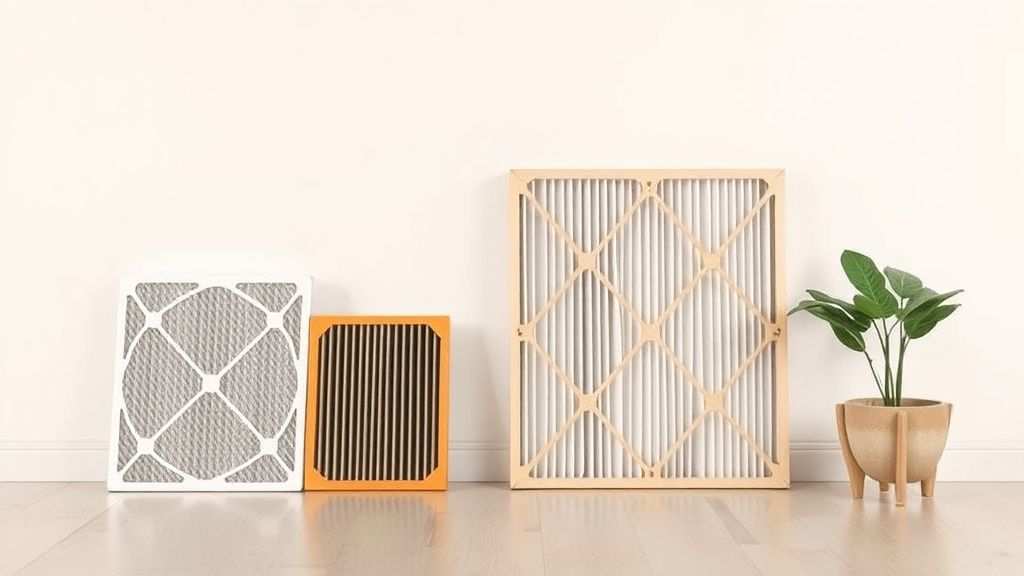
How to Improve Indoor Air Quality: Simple Steps for a Healthier Home
Poor indoor air quality can lead to allergies, respiratory issues, and long-term health problems. Fortunately, improving the air in your home doesn’t require drastic measures—just smart choices about filtration, ventilation, and maintenance. Here’s how to create a cleaner, healthier living environment.
Understand Common Indoor Air Pollutants
Before improving air quality, it helps to know what you’re up against. Common indoor pollutants include:
- Dust and allergens (pollen, pet dander, dust mites)
- Mold spores (from damp areas like bathrooms or basements)
- Volatile Organic Compounds (VOCs) (from paints, cleaners, and furniture)
- Smoke and odors (tobacco, cooking, wildfires)
- Bacteria and viruses (circulating through HVAC systems)
Identifying which pollutants affect your home will help you choose the right solutions.
Upgrade Your HVAC Air Filters
Phone cases · Sponsored · 15% off first order
Phone Case Gift — They pick the model · 2 minutes Code FIRST15GIFT
Your HVAC system’s air filter is the first line of defense against airborne particles. Not all filters are equal—here’s what to consider:
MERV Ratings Explained
- MERV 1-4: Basic dust filters (minimal protection).
- MERV 5-8: Good for trapping pollen, dust mites, and mold spores.
- MERV 9-12: Effective for smaller particles like auto emissions and fine dust.
- MERV 13-16: Hospital-grade filtration, capturing bacteria and smoke.
For most homes, a MERV 8-13 filter balances filtration and airflow efficiency.
Filter Types
- Fiberglass: Cheap but only catches large dust particles.
- Pleated: More surface area, better for allergens.
- Electrostatic: Uses static charge to trap particles; washable options available.
- HEPA: The gold standard (but requires a compatible HVAC system).
What to Look For:
- Check your HVAC manual for maximum MERV compatibility.
- Replace filters every 1-3 months (more often with pets or allergies).
- Avoid filters that restrict airflow (high MERV in undersized systems).
Use Standalone Air Purifiers
Air purifiers supplement HVAC filtration, especially in rooms where pollutants concentrate (bedrooms, living areas).
Types of Air Purifiers
- HEPA Purifiers: Remove 99.97% of particles ≥0.3 microns (allergens, smoke).
- Activated Carbon Filters: Absorb VOCs, odors, and gases.
- UV-C Purifiers: Kill bacteria and viruses (but don’t remove particles).
- Ionic Purifiers: Emit charged ions to clump particles (may produce ozone).
What to Look For:
- CADR Rating: Higher numbers mean faster cleaning (match to room size).
- Noise Level: Under 50 dB for bedrooms.
- Filter Replacement Costs: Some brands have expensive consumables.
Improve Ventilation
Phone cases · Sponsored · 15% off first order
Titan Case — Precision fit · 2,000+ designs Code FIRST15TIT
Stale air traps pollutants. Increase fresh air circulation with:
- Opening Windows: 5-10 minutes daily (if outdoor air quality permits).
- Exhaust Fans: Run them during/after cooking or showering.
- Energy Recovery Ventilators (ERVs): Exchange indoor/outdoor air without losing heat/cooling.
Control Humidity Levels
High humidity encourages mold; low humidity irritates airways. Aim for 30-50% humidity:
- Dehumidifiers: Essential in basements or damp climates.
- Humidifiers: Use in dry winters (choose evaporative over ultrasonic to avoid white dust).
- Hygrometer: Monitors humidity accurately (under $20).
Reduce Dust and Allergens
Phone cases · Sponsored · 15% off first order
Phone Cases For Charity — Every case supports a cause Code GIVE10- Vacuum Weekly: Use a HEPA-filter vacuum to avoid recirculating dust.
- Wash Bedding: Hot water kills dust mites (every 1-2 weeks).
- Declutter: Fewer surfaces = less dust accumulation.
Minimize VOCs and Chemicals
- Choose Low-VOC Paints: Look for Green Seal or EPA-certified options.
- Natural Cleaning Products: Vinegar, baking soda, or plant-based cleaners.
- Air-Purifying Plants: Spider plants, peace lilies, and snake plants absorb some toxins.
Maintain Your HVAC System
A neglected system spreads dust and mold:
- Annual Professional Tune-Up: Ensures efficiency and clean airflow.
- Duct Inspection: Leaky ducts pull in dust from attics or crawl spaces.
- Clean Vents and Registers: Wipe them down during filter changes.
What to Look for in Air Quality Products
When shopping for filters, purifiers, or other solutions, prioritize:
- Compatibility: Will the filter fit your HVAC? Does the purifier suit your room size?
- Certifications: Look for AHAM Verified (purifiers) or ASHRAE standards (filters).
- Ongoing Costs: Factor in filter replacements or energy use.
- Noise: Critical for bedrooms or offices.
Final Thoughts
Improving indoor air quality is a mix of smart filtration, ventilation, and habits. Start with a high-MERV filter, add an air purifier for problem areas, and keep humidity in check. Small changes make a big difference—your lungs will thank you!
Our picks worth a closer look
- Filtrete 16x25x1 AC Furnace Air Filter, MPR 1000 MERV 11Check on Amazon → — see current price and specs.
- Utopia Bedding Bed Pillows for Sleeping Queen Size (Blue), Set of 6, Cooling HotCheck on Amazon → — see current price and specs.