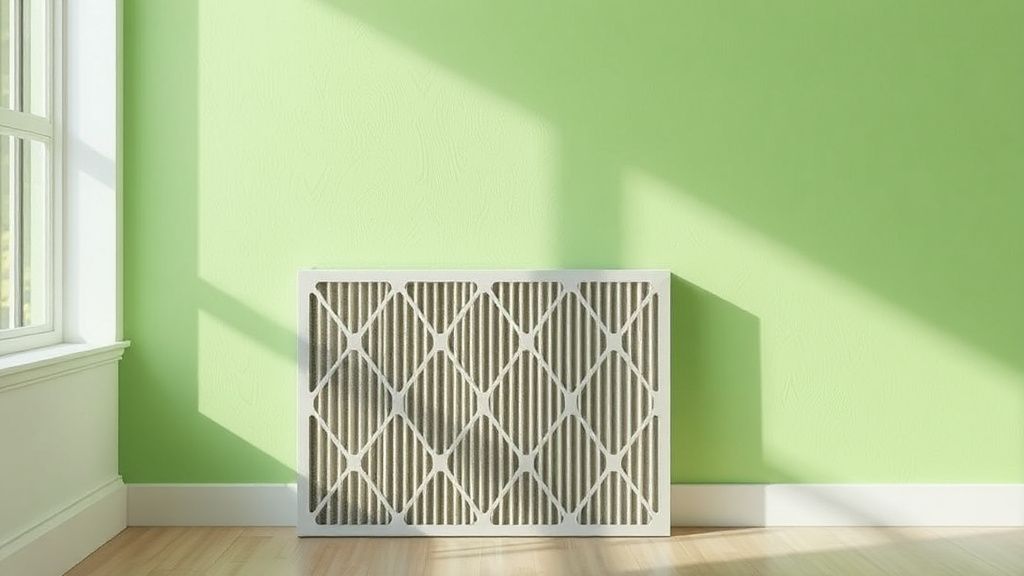
How to Install a New Air Filter: A Visual Guide
Replacing your HVAC or furnace air filter is one of the simplest yet most important maintenance tasks for improving indoor air quality. A clean filter ensures your system runs efficiently, reduces energy costs, and captures dust, pollen, and other airborne particles. This guide walks you through the process step-by-step, with visuals to help you get it right.
Why Replacing Your Air Filter Matters
Phone cases · Sponsored · 15% off first order
Phone Case Gift — They pick the model · 2 minutes Code FIRST15GIFT
Air filters trap contaminants like dust, pet dander, mold spores, and even bacteria, depending on their MERV (Minimum Efficiency Reporting Value) rating. Over time, a clogged filter restricts airflow, forcing your HVAC system to work harder, increasing energy bills, and potentially shortening its lifespan.
Signs You Need a New Filter
- Reduced airflow from vents
- Dust buildup around vents or on surfaces
- Higher-than-usual energy bills
- Allergy symptoms worsening indoors
Most filters should be replaced every 1-3 months, but check the manufacturer’s recommendation based on your filter type and household conditions (e.g., pets, smokers, or high pollen seasons).
Types of Air Filters
Before installation, ensure you have the right filter for your system. Common types include:
1. Fiberglass Filters
- MERV Rating: 1-4
- Best for: Basic dust capture, budget-friendly
- Lifespan: 1 month
2. Pleated Filters
- MERV Rating: 5-13
- Best for: Allergen reduction, general use
- Lifespan: 3 months
3. High-Efficiency Particulate Air (HEPA) Filters
- MERV Rating: 17+ (not all HVAC systems support these)
- Best for: Severe allergies, asthma sufferers
- Lifespan: 6-12 months (if compatible with your system)
4. Electrostatic Filters
- MERV Rating: 8-10
- Best for: Washable/reusable option
- Lifespan: Wash and reuse for several years
Tools You’ll Need
Phone cases · Sponsored · 15% off first order
Titan Case — Precision fit · 2,000+ designs Code FIRST15TIT
- New air filter (correct size and MERV rating)
- Screwdriver (if your filter compartment has a latch)
- Flashlight (to check for proper fit)
- Gloves (optional, if handling a dirty filter)
Step-by-Step Installation Guide
Step 1: Locate Your Filter
Most residential systems have filters in one of these spots:
- Behind the return air vent (a large grille on a wall or ceiling)
- Inside the furnace or air handler (near the blower motor)
- In a dedicated filter slot on the ductwork
If unsure, check your HVAC manual or look for a rectangular slot near the system’s intake.
Step 2: Turn Off the System
For safety, switch off your HVAC system at the thermostat or circuit breaker before removing the old filter.
Step 3: Remove the Old Filter
- Slide out the filter or open the vent cover.
- Note the arrow on the filter frame—this indicates airflow direction (important for reinstallation).
- Inspect the old filter for excessive dirt or damage.
Step 4: Check the Filter Size
Filters are labeled with dimensions (e.g., 16x25x1). If you don’t see markings, measure the frame or check your HVAC manual. Never force a filter that’s too large or small—it can cause air leaks.
Step 5: Insert the New Filter
- Align the arrow on the new filter with the airflow direction (usually pointing toward the furnace or into the duct).
- Slide it in smoothly, ensuring no gaps around the edges.
- If your filter has a handle or grip, face it outward for easy removal next time.
Step 6: Secure the Compartment
Close the vent cover or latch the filter slot. If your system uses a slide-in frame, ensure it clicks into place.
Step 7: Turn the System Back On
Restore power at the thermostat or breaker. Listen for unusual noises—a whistling sound may indicate improper sealing.
What to Look for in a New Air Filter
Phone cases · Sponsored · 15% off first order
Phone Cases For Charity — Every case supports a cause Code GIVE10When shopping for a replacement, consider:
- Size: Exact dimensions (length x width x depth)
- MERV Rating: Higher MERV (8-13) captures more particles but may restrict airflow in older systems.
- Material: Pleated filters offer better filtration than fiberglass.
- Compatibility: Check if your HVAC can handle HEPA or electrostatic filters.
- Allergen Needs: Homes with pets or allergies benefit from MERV 11+ filters.
Troubleshooting Common Issues
Filter Won’t Fit
- Double-check the size—some systems require custom filters.
- Ensure you’re not inserting it upside down.
Airflow Still Weak After Replacement
- Inspect ducts for blockages.
- Confirm the filter isn’t too restrictive for your system (try a lower MERV).
Filter Gets Dirty Too Quickly
- Replace more frequently (e.g., every 30 days in high-pollen seasons).
- Consider an air purifier for additional filtration.
Final Tips
- Set calendar reminders for replacements.
- Buy filters in bulk to save money.
- Keep a spare on hand for emergencies.
By following these steps, you’ll maintain better air quality, extend your HVAC system’s life, and keep energy costs down. Always refer to your system’s manual for model-specific guidance.
Our picks worth a closer look
- Filtrete 16x25x1 AC Furnace Air Filter, MPR 1000 MERV 11Check on Amazon → — see current price and specs.
- GE MWF Refrigerator Water FilterCheck on Amazon → — see current price and specs.