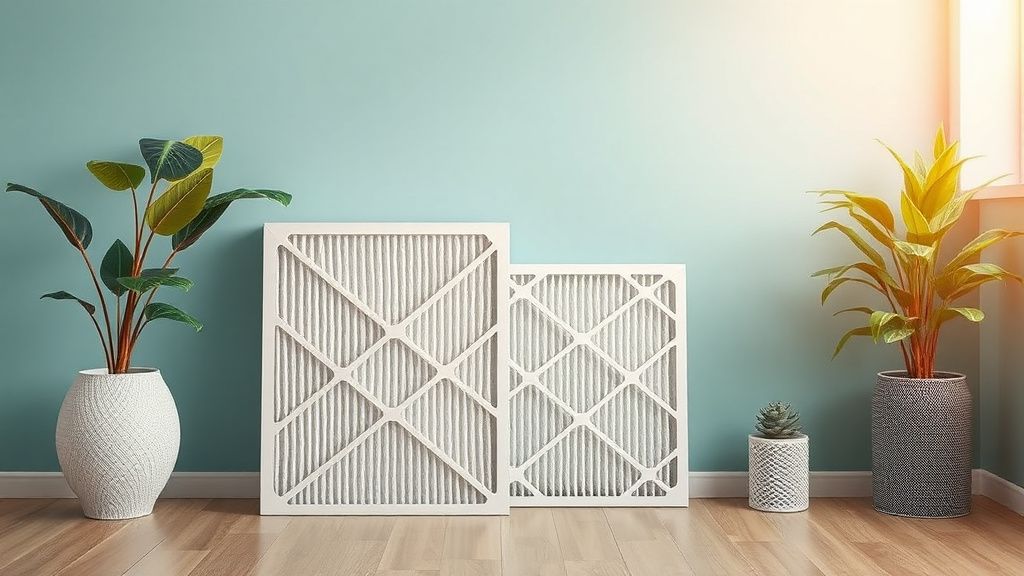
How to Know When Your Air Filter Needs Replacing: Key Indicators
Maintaining clean air filters is essential for both HVAC efficiency and indoor air quality. Whether you use furnace filters, HVAC filters, or air purifiers, recognizing the signs of a clogged or worn-out filter can save energy, reduce allergens, and prolong system life. Below are the key indicators that your air filter needs replacing.
Reduced Airflow from Vents
One of the most noticeable signs of a dirty air filter is weak airflow from your HVAC vents. When filters become clogged with dust, pet dander, or pollen, they restrict airflow, forcing your system to work harder.
- Furnace filters: A heavily obstructed filter can cause uneven heating or longer furnace cycles.
- HVAC systems: Reduced airflow may lead to frozen evaporator coils in AC units.
- Air purifiers: A clogged HEPA or activated carbon filter will struggle to circulate clean air.
What to look for: Hold your hand near a vent—if airflow feels weaker than usual, inspect the filter.
Increased Dust and Allergens in Your Home
Phone cases · Sponsored · 15% off first order
Phone Case Gift — They pick the model · 2 minutes Code FIRST15GIFT
If you notice more dust settling on surfaces or worsening allergy symptoms, your filter may no longer be trapping particles effectively.
- MERV ratings matter: Filters with MERV 8-13 capture finer particles but clog faster than lower-MERV options.
- Electrostatic vs. pleated: Electrostatic filters may lose charge over time, while pleated filters accumulate debris visibly.
What to look for: Wipe a surface with a white cloth—excessive dust suggests poor filtration.
Unusual HVAC System Noises
A struggling HVAC system often makes unusual sounds when airflow is restricted:
- Whistling or rattling: Indicates air forcing its way through a blocked filter.
- Furnace short-cycling: A clogged filter can cause overheating, triggering frequent shutdowns.
What to look for: Listen for changes in system noise, especially when the fan starts.
Higher Energy Bills
Phone cases · Sponsored · 15% off first order
Titan Case — Precision fit · 2,000+ designs Code FIRST15TIT
A dirty filter forces your HVAC system to consume more energy to maintain temperature.
- Furnaces: Restricted airflow reduces heat exchange efficiency.
- Air conditioners: Compressors run longer to cool the home.
What to look for: Compare recent energy bills—a sudden spike may point to filter issues.
Visible Dirt and Debris on the Filter
Inspecting your filter regularly is the simplest way to assess its condition.
- Disposable fiberglass filters: Turn gray or brown when dirty.
- Pleated filters: Look for dense dust buildup between folds.
- Washable filters: Check for discoloration or mold growth after cleaning.
What to look for: Hold the filter up to light—if you can’t see through it, replace it.
Lingering Odors
Phone cases · Sponsored · 15% off first order
Phone Cases For Charity — Every case supports a cause Code GIVE10A failing filter can’t trap odor-causing particles, leading to musty or stale air.
- Activated carbon filters: Lose effectiveness over time against smoke or cooking smells.
- Standard HVAC filters: Won’t eliminate odors unless specifically designed for it.
What to look for: Persistent bad smells despite cleaning may mean a filter change is due.
Filter Age and Manufacturer Guidelines
Even without obvious signs, filters have lifespans:
- 1-inch filters: Replace every 1–3 months.
- 4–5-inch filters: Last 6–12 months.
- HEPA filters: Typically need replacement every 12–18 months.
What to look for: Mark installation dates on the filter frame or set calendar reminders.
What to Look for When Inspecting Your Filter
- Disposable filters: Heavy gray/brown buildup, especially near the edges.
- Washable filters: Stubborn grime that doesn’t rinse out.
- Air purifier filters: Check indicator lights (if equipped) or visible dust on HEPA layers.
Conclusion
Regular filter maintenance ensures cleaner air, lower energy costs, and HVAC longevity. Watch for weak airflow, dust accumulation, odd noises, and odors, and follow manufacturer guidelines for replacement. By staying proactive, you’ll breathe easier and keep your system running smoothly.
Our picks worth a closer look
- Filtrete 16x25x1 AC Furnace Air Filter, MPR 1000 MERV 11Check on Amazon → — see current price and specs.
- GE MWF Refrigerator Water FilterCheck on Amazon → — see current price and specs.