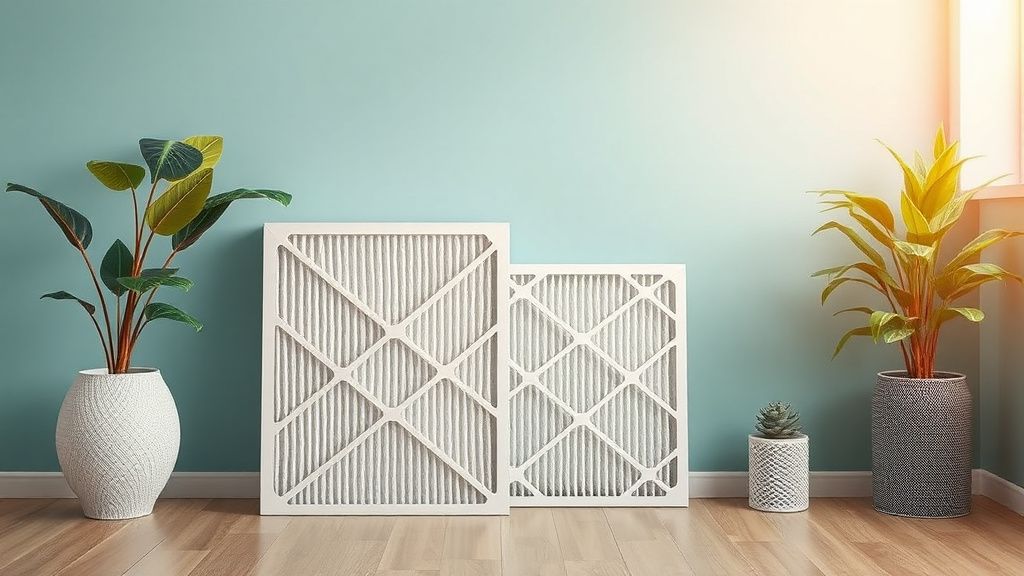
Understanding Air Filter Types
When it comes to maximizing your air filter’s performance, the first step is understanding the different types available. The most common filters are furnace filters, HVAC filters, and air purifier filters. Each serves a specific purpose and is designed for different systems.
Furnace filters are typically used in forced-air heating systems and are designed to protect the furnace from dust and debris. HVAC filters, on the other hand, are used in central air conditioning systems and are designed to improve indoor air quality by capturing airborne particles. Air purifier filters are standalone units that use advanced filtration technologies, such as HEPA filters, to remove contaminants from the air.
Knowing which type of filter your system uses is crucial for ensuring optimal performance. Using the wrong filter can lead to reduced airflow, increased energy consumption, and even damage to your HVAC system.
The Importance of MERV Ratings
Phone cases · Sponsored · 15% off first order
Phone Case Gift — They pick the model · 2 minutes Code FIRST15GIFT
MERV (Minimum Efficiency Reporting Value) ratings are a key factor in choosing the right air filter. MERV ratings range from 1 to 20, with higher numbers indicating better filtration efficiency. A filter with a MERV rating of 1-4 will capture larger particles like dust and pollen, while a filter with a MERV rating of 13-16 can capture smaller particles like bacteria and smoke.
For most residential applications, a MERV rating between 8 and 13 is ideal. These filters strike a balance between filtration efficiency and airflow. However, if you have specific air quality concerns, such as allergies or asthma, you may want to consider a filter with a higher MERV rating.
Keep in mind that higher MERV-rated filters can restrict airflow if your HVAC system is not designed to handle them. Always check your system’s specifications before upgrading to a higher MERV-rated filter.
Regular Maintenance and Replacement
One of the most effective ways to maximize your air filter’s performance is through regular maintenance and replacement. Over time, filters become clogged with dust and debris, reducing their efficiency and straining your HVAC system.
For standard 1-inch filters, it’s recommended to check them monthly and replace them every 90 days. If you have pets or live in a dusty environment, you may need to replace them more frequently. Thicker filters, such as 4-inch or 5-inch models, can last up to six months but should still be checked regularly.
In addition to replacing the filter, it’s also important to keep the surrounding area clean. Dust and debris can accumulate around the filter housing, reducing airflow and efficiency. Regularly vacuuming and wiping down the area can help maintain optimal performance.
Enhancing Airflow and Efficiency
Phone cases · Sponsored · 15% off first order
Titan Case — Precision fit · 2,000+ designs Code FIRST15TIT
Maximizing airflow is essential for getting the most out of your air filter. Restricted airflow not only reduces filtration efficiency but also increases energy consumption and puts extra strain on your HVAC system.
To enhance airflow, make sure your filter is properly installed and fits snugly in the filter housing. A loose or improperly installed filter can allow air to bypass the filter, reducing its effectiveness. Additionally, avoid using filters that are too thick for your system, as this can restrict airflow.
Another way to enhance airflow is by keeping your HVAC system clean. Regularly cleaning the blower fan, coils, and ducts can help maintain optimal airflow and improve overall system performance.
Using Air Purifiers for Added Protection
While HVAC and furnace filters are effective at improving indoor air quality, they may not be sufficient for removing all contaminants, such as allergens, bacteria, and viruses. In these cases, using an air purifier can provide added protection.
Air purifiers use advanced filtration technologies, such as HEPA filters, activated carbon filters, and UV-C light, to capture and neutralize contaminants. HEPA filters are particularly effective at capturing particles as small as 0.3 microns, including allergens, bacteria, and viruses.
When choosing an air purifier, consider the size of the room and the specific contaminants you want to remove. Some air purifiers are designed for small spaces, while others are capable of purifying the air in larger areas. Additionally, look for models with multiple filtration stages for the best results.
What to Look for in an Air Filter
Phone cases · Sponsored · 15% off first order
Phone Cases For Charity — Every case supports a cause Code GIVE10When shopping for an air filter, there are several key factors to consider:
- MERV Rating: Choose a filter with a MERV rating that matches your air quality needs and system specifications.
- Filter Type: Ensure the filter is compatible with your HVAC system or furnace.
- Size: Check the dimensions of your filter housing to ensure a proper fit.
- Material: Look for filters made from high-quality materials that are designed to capture specific contaminants.
- Lifespan: Consider how often you’ll need to replace the filter and choose one that fits your maintenance schedule.
By keeping these factors in mind, you can select an air filter that maximizes performance and improves your indoor air quality.
Conclusion
Maximizing your air filter’s performance is essential for maintaining a healthy indoor environment and ensuring the efficiency of your HVAC system. By understanding the different types of filters, paying attention to MERV ratings, and regularly maintaining and replacing your filter, you can significantly improve your air quality. Additionally, using air purifiers and enhancing airflow can provide added protection and optimize your system’s performance. With these expert tips, you can breathe easier knowing your air filter is working at its best.
Our picks worth a closer look
- Filtrete 16x25x1 AC Furnace Air Filter, MPR 1000 MERV 11Check on Amazon → — see current price and specs.
- GE MWF Refrigerator Water FilterCheck on Amazon → — see current price and specs.
- Amazon Basics AA Performance Alkaline Batteries, 48-CountCheck on Amazon → — see current price and specs.