How to Protect Your HVAC System from Common Airborne Contaminants
Your HVAC system plays a crucial role in maintaining indoor air quality, but it can also become a breeding ground for contaminants if not properly maintained. Dust, pollen, mold spores, pet dander, and volatile organic compounds (VOCs) can clog filters, reduce efficiency, and even damage components. Here’s how to safeguard your HVAC system from these airborne threats.
Understanding Common Airborne Contaminants
Before protecting your HVAC system, it’s important to know what you’re up against:
- Dust & Particulates: Tiny particles from fabrics, outdoor pollution, and household activities.
- Pollen: Seasonal allergens that enter through windows and doors.
- Mold & Mildew: Thrives in damp environments, spreading spores through ducts.
- Pet Dander: Microscopic skin flakes from pets that circulate in the air.
- VOCs: Chemical fumes from cleaning products, paints, and furniture.
These contaminants can clog filters, strain your HVAC system, and degrade indoor air quality.
Choosing the Right Air Filter
Phone cases · Sponsored · 15% off first order
Phone Case Gift — They pick the model · 2 minutes Code FIRST15GIFT
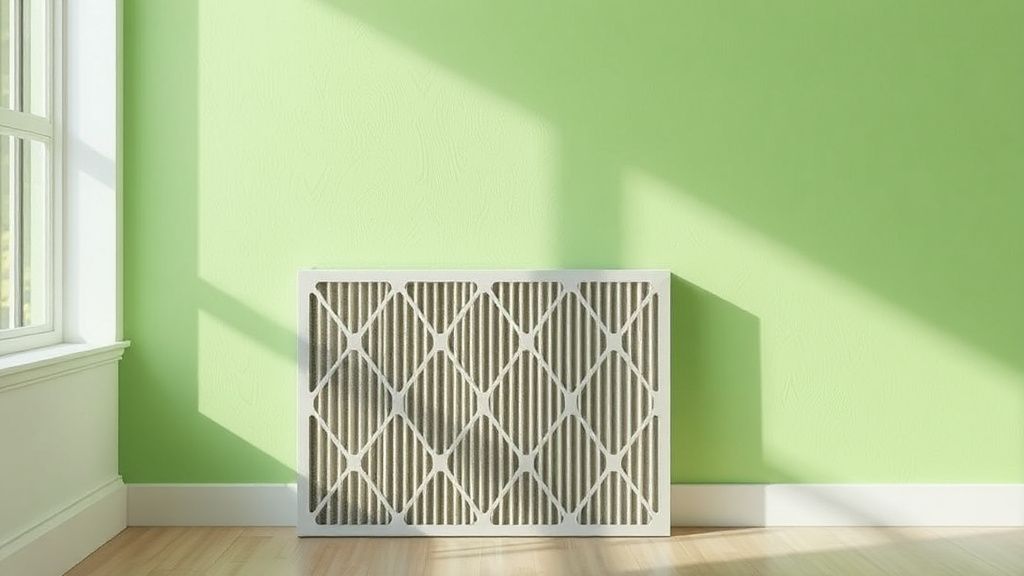
Your HVAC filter is the first line of defense. Not all filters are created equal—here’s what to consider:
MERV Ratings Explained
- MERV 1-4: Basic dust capture (ineffective for allergens).
- MERV 5-8: Good for trapping pollen, dust mites, and larger particles.
- MERV 9-12: Effective against mold spores, pet dander, and fine dust.
- MERV 13-16: Hospital-grade filtration (best for VOCs and bacteria).
Note: Higher MERV ratings restrict airflow, so check your HVAC’s compatibility.
Filter Types
- Fiberglass: Cheap but only catches large particles.
- Pleated: More surface area, better for medium-sized particles.
- Electrostatic: Self-charging fibers attract particles (washable options available).
- HEPA: Captures 99.97% of particles 0.3 microns or larger (requires a compatible HVAC system).
Regular HVAC Maintenance
A neglected HVAC system becomes a haven for contaminants. Follow these steps:
1. Change Filters Regularly
- Standard filters: Every 30-60 days.
- High-efficiency filters: Every 90 days (or as recommended).
- Homes with pets/allergies: Replace more frequently.
2. Clean Ductwork & Vents
- Inspect ducts annually for dust buildup or mold.
- Use a vacuum with a brush attachment to clean vents.
- Consider professional duct cleaning every 3-5 years.
3. Check Drain Lines & Coils
- Clogged condensate lines promote mold growth.
- Clean evaporator and condenser coils yearly to maintain efficiency.
Using Air Purifiers for Extra Protection
Phone cases · Sponsored · 15% off first order
Titan Case — Precision fit · 2,000+ designs Code FIRST15TIT
While HVAC filters help, standalone air purifiers provide additional filtration:
- Activated Carbon Filters: Absorb VOCs and odors.
- UV-C Light Purifiers: Kill bacteria and mold spores.
- Ionizers: Charge particles so they stick to surfaces (requires frequent cleaning).
Tip: Place purifiers in high-traffic areas or near pollutant sources (e.g., kitchens, pet zones).
Controlling Humidity Levels
Excess moisture encourages mold and dust mites. Keep humidity between 30-50% with:
- Dehumidifiers: Essential for basements and humid climates.
- HVAC Humidistats: Automatically adjust humidity levels.
- Ventilation Fans: Use in bathrooms and kitchens to reduce moisture.
Sealing Gaps & Improving Ventilation
Phone cases · Sponsored · 15% off first order
Phone Cases For Charity — Every case supports a cause Code GIVE10Prevent outdoor contaminants from entering:
- Weatherstripping: Seal windows and doors.
- Attic & Crawl Space Insulation: Reduces dust infiltration.
- Exhaust Vents: Ensure proper airflow to avoid stagnant air.
What to Look for in HVAC Protection
When evaluating products and strategies, prioritize:
✔ Filter Efficiency – Match MERV ratings to your needs.
✔ System Compatibility – Avoid filters that restrict airflow.
✔ Maintenance Requirements – Choose filters you’ll replace on schedule.
✔ Additional Tools – Consider air purifiers or dehumidifiers if needed.
By taking these steps, you’ll extend your HVAC system’s lifespan, improve air quality, and reduce energy costs. A proactive approach ensures cleaner air and a healthier home.
Our picks worth a closer look
- Filtrete Healthy Living Ultra Allergen 16x25x1, MERV 13Check on Amazon → — see current price and specs.
- Filtrete 16x25x1 AC Furnace Air Filter, MPR 1000 MERV 11Check on Amazon → — see current price and specs.