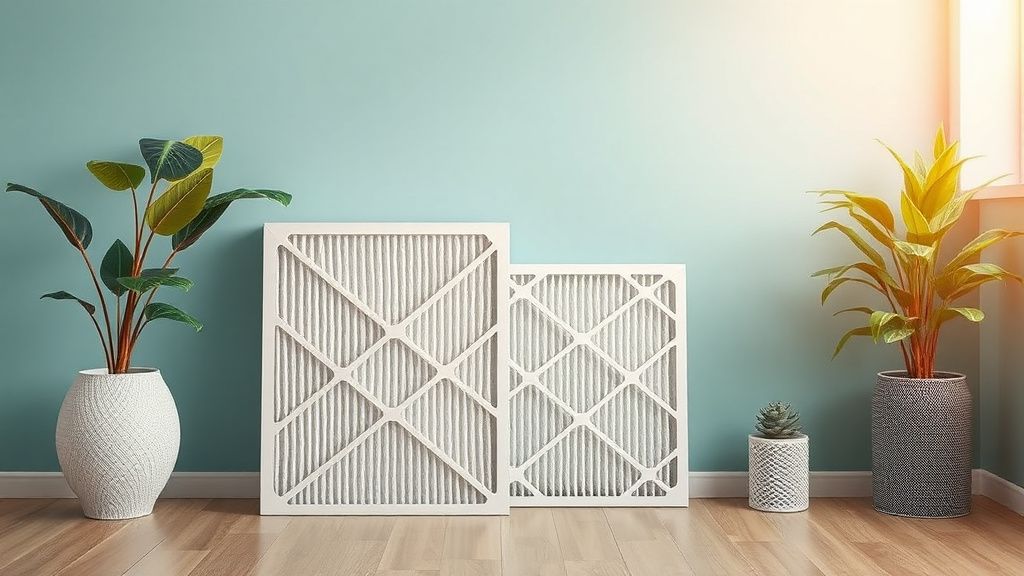
Understanding Air Filter Packaging: A Homeowner’s Guide
Air filters are essential for maintaining indoor air quality and protecting your HVAC system. However, deciphering the information on filter packaging can be overwhelming. This guide breaks down the key details to help you make an informed choice.
Key Information on Air Filter Packaging
Phone cases · Sponsored · 15% off first order
Phone Case Gift — They pick the model · 2 minutes Code FIRST15GIFT
1. Filter Size
The most critical detail is the filter’s dimensions, listed as Length x Width x Depth (e.g., 16x25x1). An incorrect size can cause air leaks or damage your system. Always measure your existing filter or check your HVAC manual before purchasing.
2. MERV Rating
The Minimum Efficiency Reporting Value (MERV) indicates how well the filter captures particles:
- MERV 1–4: Basic dust capture (ineffective for allergens).
- MERV 5–8: Good for pollen, dust mites, and mold spores.
- MERV 9–12: Traps smaller particles like pet dander and fine dust.
- MERV 13–16: High-efficiency for smoke, bacteria, and viruses (check HVAC compatibility).
Higher MERV ratings restrict airflow, so verify your system can handle them.
3. Filter Type
Packaging will specify the filter’s material and design:
- Fiberglass: Disposable, low-cost, but only traps large particles.
- Pleated Polyester/Cotton: More surface area, better for dust and allergens.
- Electrostatic: Self-charging fibers attract particles; some are washable.
- HEPA: Captures 99.97% of particles ≥0.3 microns (often for standalone air purifiers).
4. Airflow Resistance
Some packaging lists pressure drop or airflow resistance (measured in inches of water). High-efficiency filters (e.g., MERV 13+) may reduce airflow, straining older HVAC systems.
5. Lifespan and Replacement Indicators
Filters list an estimated lifespan (e.g., “90 days” or “3 months”). However, homes with pets or high pollution may need more frequent changes. Some premium filters include color-changing indicators that signal when replacement is due.
6. Certifications
Look for:
- AHAM Verified: Ensures the filter meets industry standards.
- Energy Star: For energy-efficient models.
- CADR (Clean Air Delivery Rate): For air purifier filters (measures smoke, dust, and pollen removal).
7. Allergen-Specific Claims
Filters may advertise allergen reduction (e.g., “traps pet dander” or “mold spores”). Verify these claims by checking the MERV rating and filter type.
What to Look for Based on Your Needs
For Basic Dust Control
- Choose MERV 5–8 pleated filters.
- Check for low airflow resistance to avoid straining your system.
For Allergy Sufferers
- Opt for MERV 9–12 or electrostatic filters.
- Ensure the packaging mentions allergen capture.
For High-Efficiency Needs (Smoke, Viruses)
- Select MERV 13+ or HEPA (if compatible).
- Look for tightly woven pleats and activated carbon layers for odors.
For Longevity
- Consider washable electrostatic filters (if maintenance isn’t an issue).
- Check for extended lifespan claims (e.g., “6-month filter”).
Common Mistakes to Avoid
Phone cases · Sponsored · 15% off first order
Titan Case — Precision fit · 2,000+ designs Code FIRST15TIT
- Ignoring MERV Compatibility: High-MERV filters can clog or reduce HVAC efficiency.
- Wrong Size: Even a slight mismatch can cause gaps or damage.
- Overlooking Replacement Frequency: A clogged filter worsens air quality and strains your system.
By understanding your filter’s packaging, you can optimize air quality and HVAC performance. Always cross-reference the details with your system’s requirements for the best results.
Our picks worth a closer look
- Filtrete 16x25x1 AC Furnace Air Filter, MPR 1000 MERV 11Check on Amazon → — see current price and specs.
- GE MWF Refrigerator Water FilterCheck on Amazon → — see current price and specs.