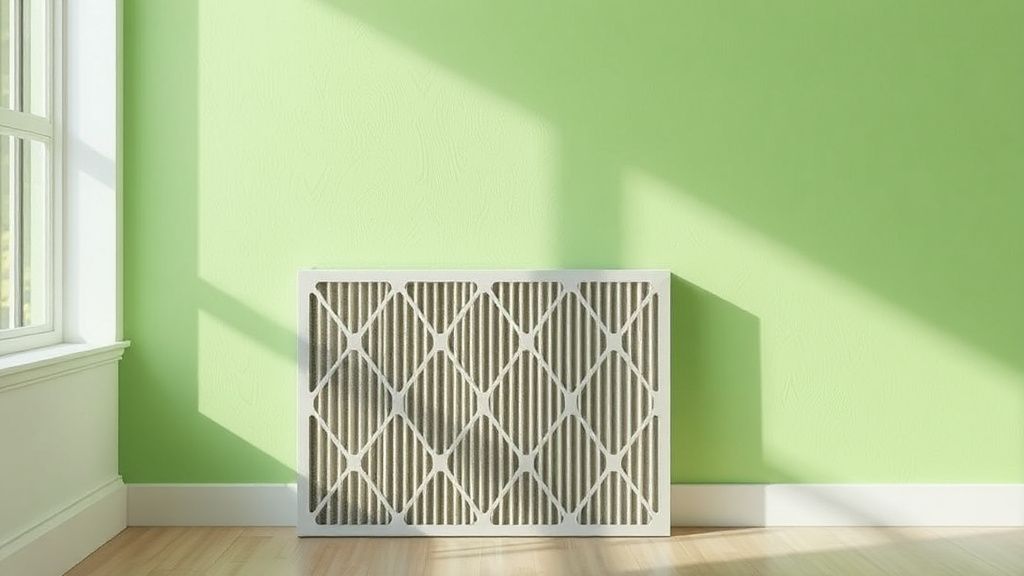
How to Reduce Dust in Your Home: The Role of Your Air Filter
Dust is an unavoidable part of home life, but excessive dust can aggravate allergies, reduce indoor air quality, and even strain your HVAC system. One of the most effective ways to combat dust is by optimizing your home’s air filtration system. The right air filter can trap dust particles before they circulate, while regular maintenance ensures your HVAC system runs efficiently.
Here’s how your air filter plays a crucial role in reducing dust—and what you can do to maximize its effectiveness.
Why Dust Accumulates in Your Home
Phone cases · Sponsored · 15% off first order
Phone Case Gift — They pick the model · 2 minutes Code FIRST15GIFT
Dust is made up of tiny particles, including dead skin cells, pet dander, pollen, fabric fibers, and outdoor pollutants that enter through doors and windows. Without proper filtration, these particles recirculate through your HVAC system, settling on surfaces and worsening air quality.
Your HVAC system’s air filter is the first line of defense against dust. A high-quality filter captures these particles, preventing them from re-entering your living spaces. However, not all filters are equally effective—choosing the right one and maintaining it properly makes a big difference.
How Air Filters Reduce Dust
Air filters work by trapping dust and other airborne particles as air passes through your HVAC system. The efficiency of a filter depends on:
-
MERV Rating (Minimum Efficiency Reporting Value) – This measures how well a filter captures particles.
- MERV 1-4: Basic filters, mostly for protecting HVAC equipment (not ideal for dust reduction).
- MERV 5-8: Standard filters, capturing larger dust and lint (good for general use).
- MERV 9-12: Better for smaller particles like mold spores and pet dander (best for dust control in most homes).
- MERV 13+: Hospital-grade filtration, trapping very fine particles (may restrict airflow if your system isn’t designed for it).
-
Filter Material
- Fiberglass: Cheap but only catches large particles.
- Pleated Polyester/Cotton: More surface area, better for dust.
- Electrostatic: Uses static charge to attract particles (washable options available).
- HEPA: Captures 99.97% of particles 0.3 microns or larger (requires a compatible HVAC system).
-
Filter Thickness
- 1-inch filters are common but need frequent replacement.
- 4-5-inch filters last longer and often have higher MERV ratings.
Choosing the Right Filter for Dust Reduction
Phone cases · Sponsored · 15% off first order
Titan Case — Precision fit · 2,000+ designs Code FIRST15TIT
What to Look For
- Match the MERV to Your Needs – For dust control, MERV 8-12 is ideal. Higher MERV filters trap more particles but may require HVAC adjustments.
- Check Compatibility – Ensure your system can handle the filter’s thickness and airflow resistance.
- Consider Washable Filters – Electrostatic or reusable filters reduce waste but require regular cleaning.
- Look for “Allergen-Reducing” Labels – Some filters are specially designed to trap dust and dander.
Maintaining Your Air Filter for Maximum Dust Control
Even the best filter won’t help if it’s clogged or improperly installed. Follow these steps:
-
Replace or Clean Regularly
- Disposable filters: Replace every 1-3 months (more often if you have pets or allergies).
- Washable filters: Clean monthly with water and let dry completely.
-
Seal Gaps Around the Filter
- A poorly fitted filter lets dust bypass filtration. Check for gaps in the filter slot.
-
Upgrade Your HVAC System if Needed
- Older systems may struggle with high-MERV filters. Consult an HVAC professional before switching.
-
Pair with an Air Purifier
- Standalone HEPA air purifiers can supplement filtration in high-dust areas like bedrooms.
Additional Tips to Reduce Dust
Phone cases · Sponsored · 15% off first order
Phone Cases For Charity — Every case supports a cause Code GIVE10While air filters are essential, combining them with other strategies enhances dust control:
- Vacuum Frequently – Use a vacuum with a HEPA filter to avoid redistributing dust.
- Dust with Microfiber Cloths – They trap particles instead of spreading them.
- Control Humidity – Dust sticks less in 40-50% humidity. Use a dehumidifier if needed.
- Minimize Clutter – Fewer surfaces mean less dust accumulation.
- Seal Windows and Doors – Weatherstripping reduces outdoor dust entry.
Final Thoughts
Reducing dust in your home starts with a high-quality air filter that matches your HVAC system’s capabilities. A MERV 8-12 pleated filter is often the best balance between dust capture and airflow efficiency. Regular maintenance—replacing filters on time, sealing gaps, and supplementing with air purifiers—will keep dust levels low and improve your indoor air quality.
By understanding how air filters work and choosing the right one, you can breathe easier in a cleaner, healthier home.
Our picks worth a closer look
- Filtrete 16x25x1 AC Furnace Air Filter, MPR 1000 MERV 11Check on Amazon → — see current price and specs.
- GE MWF Refrigerator Water FilterCheck on Amazon → — see current price and specs.