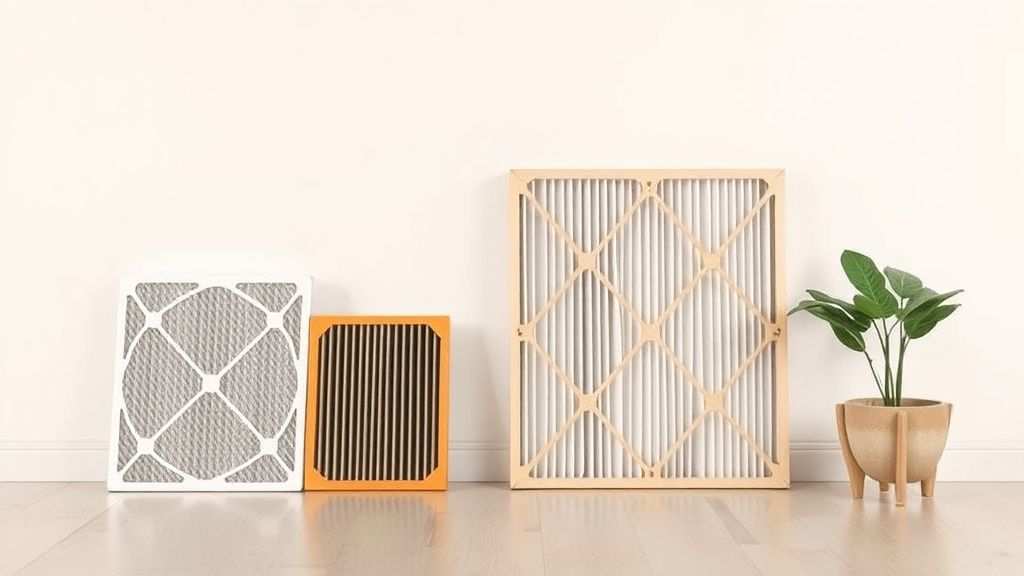
Understanding Pet Odors and Indoor Air Quality
Pet odors are a common challenge for pet owners, especially in homes with limited ventilation. These odors come from dander, urine, saliva, and fur, which release volatile organic compounds (VOCs) and proteins into the air. Over time, these particles settle into carpets, furniture, and HVAC systems, reducing indoor air quality and potentially triggering allergies or respiratory issues.
The right air filter can significantly reduce pet odors by trapping these particles before they circulate through your home. However, not all filters are equally effective—choosing the right one depends on your HVAC system, filter type, and MERV rating.
How Air Filters Combat Pet Odors
Phone cases · Sponsored · 15% off first order
Phone Case Gift — They pick the model · 2 minutes Code FIRST15GIFT
Air filters work by capturing airborne particles as air passes through them. For pet odors, you need a filter that can trap:
- Pet dander (microscopic skin flakes)
- Hair and fur (larger particles that carry odors)
- Dust and allergens (which can bind to pet odors)
- VOCs (from urine or cleaning products)
Standard fiberglass filters (MERV 1-4) are too porous to capture these effectively. Instead, pleated filters with higher MERV ratings or specialized air purifiers with activated carbon are far more effective.
Types of Air Filters for Pet Odors
1. Pleated HVAC Filters (MERV 8-13)
Pleated filters have a larger surface area and finer mesh than fiberglass filters, making them better at trapping pet dander and hair.
- MERV 8-11: Good for basic pet odor control, capturing larger particles like fur and dust.
- MERV 12-13: More effective for smaller particles like dander and some VOCs.
Best for: Homes with moderate pet odors and standard HVAC systems.
2. HEPA Filters (MERV 17+)
HEPA (High-Efficiency Particulate Air) filters capture 99.97% of particles as small as 0.3 microns, including pet dander and allergens. However, most residential HVAC systems aren’t designed for true HEPA filters due to airflow restrictions.
- Alternative: Standalone HEPA air purifiers (with activated carbon for odors).
Best for: Severe allergies or homes with multiple pets.
3. Activated Carbon Filters
These filters chemically adsorb odors and VOCs rather than just trapping particles. They’re often combined with HEPA or pleated filters in air purifiers.
- HVAC-compatible carbon filters: Some furnace filters include a carbon layer for odor reduction.
- Air purifiers with carbon: More effective for persistent smells (e.g., litter boxes).
Best for: Strong pet odors or homes with cats/dogs prone to accidents.
4. Electrostatic Filters
These use static charge to attract particles, including pet hair and dander. Some are washable, making them cost-effective over time.
- Pros: Reusable, good for larger particles.
- Cons: Less effective for odors unless paired with carbon.
Best for: Pet owners looking for a reusable option.
What to Look for in an Air Filter for Pet Odors
Phone cases · Sponsored · 15% off first order
Titan Case — Precision fit · 2,000+ designs Code FIRST15TIT
When selecting an air filter to reduce pet odors, consider:
-
MERV Rating
- MERV 8-11: Good for general pet hair/dander.
- MERV 12-13: Better for smaller particles and mild odors.
- HEPA (MERV 17+): Best for allergies but may require a standalone purifier.
-
Carbon Layer
- Essential for neutralizing odors (look for filters labeled “odor-reducing”).
-
Filter Thickness
- Thicker filters (4-5 inches) last longer and capture more particles than 1-inch filters.
-
HVAC Compatibility
- Check your system’s airflow requirements—high-MERV filters can restrict airflow if not compatible.
-
Replacement Frequency
- Homes with pets may need to replace filters every 1-2 months (vs. 3 months for pet-free homes).
Additional Tips for Reducing Pet Odors
- Groom pets regularly to minimize shedding and dander.
- Vacuum frequently with a HEPA-filter vacuum to remove settled particles.
- Wash pet bedding weekly to reduce odor buildup.
- Use an air purifier with HEPA + carbon for extra odor control in high-traffic pet areas.
Final Thoughts
Phone cases · Sponsored · 15% off first order
Phone Cases For Charity — Every case supports a cause Code GIVE10
The right air filter can make a noticeable difference in reducing pet odors and improving indoor air quality. For most pet owners, a pleated MERV 11-13 filter with a carbon layer offers a good balance of odor control and HVAC compatibility. If odors persist, consider adding a standalone air purifier with HEPA and activated carbon for targeted relief. Regular maintenance—like filter changes and cleaning—will ensure your home stays fresh and healthy for both you and your pets.
Our picks worth a closer look
- Filtrete 16x25x1 AC Furnace Air Filter, MPR 1000 MERV 11Check on Amazon → — see current price and specs.
- GE MWF Refrigerator Water FilterCheck on Amazon → — see current price and specs.