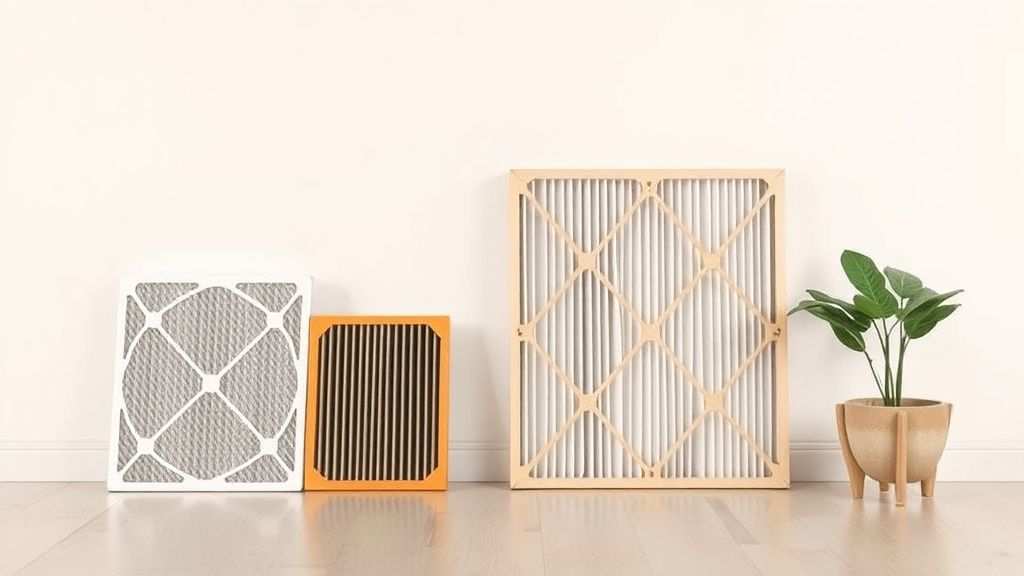
Why Monitor Air Quality at Home?
Indoor air quality (IAQ) can significantly impact health, comfort, and even HVAC efficiency. Pollutants like dust, pollen, mold spores, volatile organic compounds (VOCs), and carbon dioxide can accumulate in homes, leading to allergies, respiratory issues, and reduced system performance. By setting up an air quality monitoring system, you can identify problem areas, optimize filtration, and ensure cleaner air.
Types of Air Quality Monitors
Phone cases · Sponsored · 15% off first order
Phone Case Gift — They pick the model · 2 minutes Code FIRST15GIFT
Air quality monitors vary in complexity, measuring different pollutants and offering various features. Here are the most common types:
1. Particulate Matter (PM) Sensors
These detect fine particles like dust, pollen, and smoke (PM2.5 and PM10). They’re essential for homes with pets, smokers, or high outdoor pollution.
2. VOC Sensors
Volatile organic compounds come from cleaning products, paints, and furniture. VOC sensors help identify sources of chemical pollution.
3. CO₂ Monitors
High carbon dioxide levels indicate poor ventilation, which can cause drowsiness and headaches. These are useful for tightly sealed homes.
4. Humidity & Temperature Sensors
Excess moisture promotes mold growth, while low humidity can irritate airways. Integrated sensors help maintain ideal levels (30-50% RH).
5. Multi-Parameter Monitors
Combining PM, VOC, CO₂, humidity, and temperature tracking, these provide a comprehensive IAQ overview.
Choosing the Right Monitor
What to Look For:
- Accuracy: Look for monitors with laser-based PM sensors (not just estimation-based).
- Connectivity: Wi-Fi or Bluetooth enables remote monitoring via smartphone apps.
- Real-Time Alerts: Notifications for spikes in pollutants help take immediate action.
- Battery Life: Portable monitors should last at least 8-12 hours on a charge.
- Integration: Some models sync with smart thermostats or air purifiers for automated responses.
Setting Up Your Monitoring System
Phone cases · Sponsored · 15% off first order
Titan Case — Precision fit · 2,000+ designs Code FIRST15TIT
1. Identify Key Locations
Place monitors in high-traffic areas (living room, bedroom) and pollution sources (kitchen, basement). Avoid direct airflow from vents or windows.
2. Installation Tips
- Wall-Mounted vs. Tabletop: Wall mounts provide consistent readings; tabletop units are portable.
- Height Matters: For PM and CO₂, place at breathing level (~3-5 feet off the ground).
- Avoid Obstructions: Keep sensors away from furniture or curtains that could block airflow.
3. Connect to a Central Hub (Optional)
If using multiple monitors, a central dashboard (like a smart home platform) aggregates data for easier tracking.
Interpreting Air Quality Data
Understanding Metrics:
- PM2.5: Below 12 µg/m³ is good; above 35 µg/m³ is unhealthy.
- VOCs: Levels under 500 ppb are acceptable; higher readings suggest ventilation issues.
- CO₂: Ideal range is 400-1,000 ppm; above 1,500 ppm requires action.
Responding to Poor Air Quality
- Increase Ventilation: Open windows or run an ERV/HRV system.
- Adjust HVAC Filters: Upgrade to MERV 11-13 filters if PM is high.
- Use Air Purifiers: HEPA filters for particles, activated carbon for VOCs.
- Control Humidity: Use dehumidifiers or humidifiers as needed.
Integrating with HVAC and Air Purifiers
Phone cases · Sponsored · 15% off first order
Phone Cases For Charity — Every case supports a cause Code GIVE10Some advanced monitors work with smart HVAC systems or air purifiers to automate responses. For example:
- If PM2.5 rises, the system can boost fan speed or activate a purifier.
- High VOC levels may trigger increased ventilation.
Check compatibility with your thermostat (e.g., Ecobee, Nest) or air purifier brands (e.g., Coway, Blueair).
Maintenance and Calibration
- Clean Sensors: Dust can skew readings—wipe gently with a microfiber cloth.
- Replacement: VOC and CO₂ sensors may degrade over time (check manufacturer guidelines).
- Firmware Updates: Ensure your device has the latest software for accuracy.
Final Thoughts
An air quality monitoring system empowers you to make data-driven decisions for healthier indoor air. Pairing it with proper filtration (MERV-rated HVAC filters) and purification ensures long-term benefits. Start with a basic monitor and expand as needed—your lungs (and HVAC system) will thank you.
Our picks worth a closer look
- Utopia Bedding Bed Pillows for Sleeping Queen Size (Blue), Set of 6, Cooling HotCheck on Amazon → — see current price and specs.
- Filtrete 16x25x1 AC Furnace Air Filter, MPR 1000 MERV 11Check on Amazon → — see current price and specs.
- Extra Deep Queen Sheet Set - 6 Piece Breathable and Cooling Sheets - Hotel LuxurCheck on Amazon → — see current price and specs.