Understanding MERV Ratings
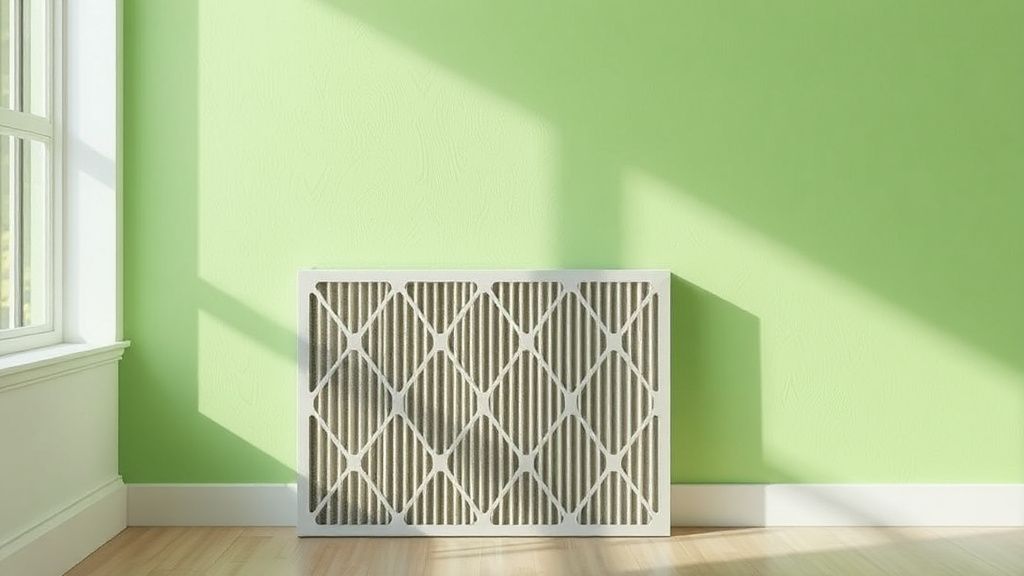
MERV (Minimum Efficiency Reporting Value) ratings are a standard used to measure the effectiveness of air filters in trapping airborne particles. The scale ranges from 1 to 20, with higher numbers indicating better filtration. MERV 8 and MERV 10 are two common ratings for residential HVAC systems, but they differ significantly in their capabilities. Understanding these differences can help you make an informed decision about which filter is best for your home.
MERV 8 Filters: Basic Filtration
Phone cases · Sponsored · 15% off first order
Phone Case Gift — They pick the model · 2 minutes Code FIRST15GIFT
MERV 8 filters are designed to capture larger particles such as dust, pollen, and mold spores. They are effective at trapping particles between 3 and 10 microns in size, making them suitable for homes with moderate air quality concerns. These filters are often used in standard HVAC systems and are a good choice for maintaining basic air quality.
Key Features of MERV 8 Filters:
- Particle Capture: Traps larger particles like dust, pollen, and mold spores.
- Airflow: Allows for good airflow, reducing strain on your HVAC system.
- Cost: Generally more affordable than higher MERV-rated filters.
- Lifespan: Typically lasts 1-3 months, depending on usage and environmental factors.
MERV 8 filters are a solid choice for homes without significant air quality issues or for those who prioritize cost and airflow efficiency over advanced filtration.
MERV 10 Filters: Enhanced Filtration
MERV 10 filters offer a higher level of filtration compared to MERV 8 filters. They are capable of capturing smaller particles, including pet dander, dust mites, and some bacteria, in addition to the larger particles trapped by MERV 8 filters. MERV 10 filters are ideal for homes with pets, allergy sufferers, or areas with higher pollution levels.
Key Features of MERV 10 Filters:
- Particle Capture: Traps particles as small as 1 micron, including pet dander, dust mites, and some bacteria.
- Airflow: Slightly reduced airflow compared to MERV 8, but still compatible with most residential HVAC systems.
- Cost: More expensive than MERV 8 filters, but still affordable for most homeowners.
- Lifespan: Typically lasts 1-3 months, similar to MERV 8 filters.
MERV 10 filters provide better air quality by capturing smaller, more harmful particles, making them a better choice for homes with specific air quality concerns.
Comparing MERV 8 and MERV 10 Filters
Phone cases · Sponsored · 15% off first order
Titan Case — Precision fit · 2,000+ designs Code FIRST15TIT
When deciding between MERV 8 and MERV 10 filters, consider the specific needs of your household. Here are some key factors to compare:
Filtration Efficiency
- MERV 8: Effective for larger particles like dust and pollen.
- MERV 10: Captures smaller particles, including pet dander and dust mites, offering better overall air quality.
Airflow and HVAC Compatibility
- MERV 8: Allows for excellent airflow, reducing strain on your HVAC system.
- MERV 10: Slightly reduced airflow, but still suitable for most residential systems.
Cost and Lifespan
- MERV 8: More affordable and lasts 1-3 months.
- MERV 10: Slightly more expensive but offers better filtration and lasts 1-3 months.
Ideal Use Cases
- MERV 8: Homes with moderate air quality concerns and no pets or allergies.
- MERV 10: Homes with pets, allergy sufferers, or higher pollution levels.
What to Look for When Choosing Between MERV 8 and MERV 10
When selecting between MERV 8 and MERV 10 filters, consider the following factors:
- Air Quality Needs: Assess the specific air quality concerns in your home. If you have pets, allergies, or live in a polluted area, a MERV 10 filter may be more suitable.
- HVAC System Compatibility: Ensure your HVAC system can handle the airflow restrictions of a MERV 10 filter. Consult your system’s manual or a professional if unsure.
- Budget: Determine your budget for air filters. While MERV 10 filters are more expensive, they offer better filtration.
- Maintenance: Consider how often you are willing to replace your filter. Both MERV 8 and MERV 10 filters typically need replacement every 1-3 months.
By carefully evaluating these factors, you can choose the air filter that best meets your home’s needs and ensures optimal air quality.
Conclusion
Phone cases · Sponsored · 15% off first order
Phone Cases For Charity — Every case supports a cause Code GIVE10Both MERV 8 and MERV 10 filters have their advantages and are suitable for different scenarios. MERV 8 filters are cost-effective and provide basic filtration for larger particles, while MERV 10 filters offer enhanced filtration for smaller, more harmful particles. By understanding the differences and considering your specific needs, you can make an informed decision to improve your home’s air quality.
Our picks worth a closer look
- Filtrete Healthy Living Ultra Allergen 16x25x1, MERV 13Check on Amazon → — see current price and specs.
- Filtrete 16x25x1 AC Furnace Air Filter, MPR 1000 MERV 11Check on Amazon → — see current price and specs.