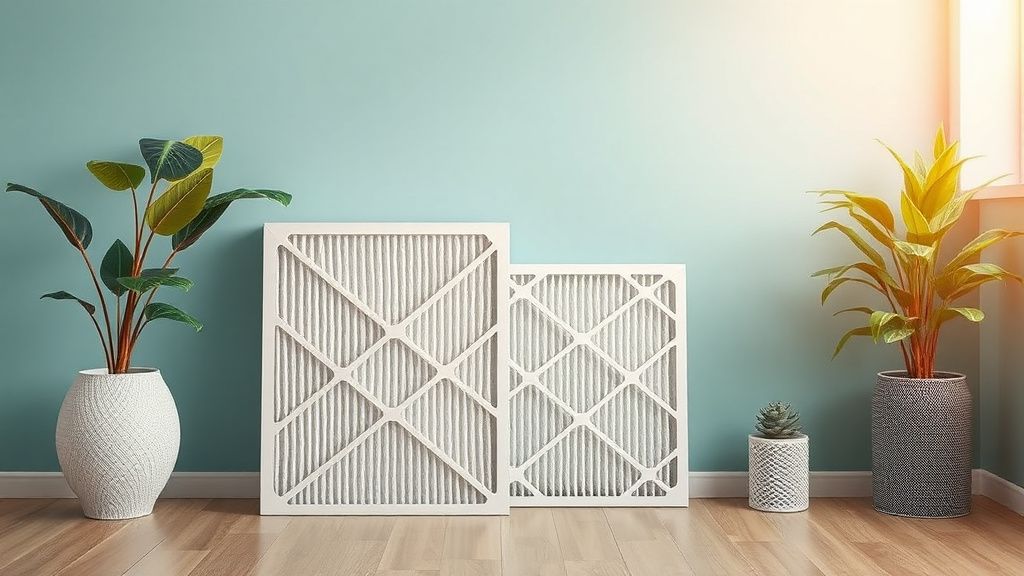
The Best Air Filters for Energy Star Certified Homes
Energy Star certified homes are designed to be energy-efficient, reducing utility costs while maintaining a comfortable indoor environment. However, to maximize the benefits of these homes, it’s essential to use the right air filters that complement their efficiency without compromising air quality. Whether you’re looking for HVAC filters, furnace filters, or air purifiers, understanding MERV ratings, filter types, and compatibility is key. Here’s a guide to help you choose the best air filters for Energy Star certified homes.
Why Air Filters Matter in Energy Star Homes
Phone cases · Sponsored · 15% off first order
Phone Case Gift — They pick the model · 2 minutes Code FIRST15GIFT
Energy Star homes are built with advanced sealing and insulation techniques to minimize energy loss. While this improves efficiency, it can also trap indoor air pollutants, making air filtration crucial. The right air filter ensures clean air, protects HVAC systems, and maintains energy efficiency by allowing proper airflow. Using filters that are too restrictive can strain the system, increasing energy consumption and reducing the lifespan of your HVAC unit.
Understanding MERV Ratings
MERV (Minimum Efficiency Reporting Value) ratings measure a filter’s ability to capture particles. Ratings range from 1 to 20, with higher numbers indicating better filtration. For Energy Star homes, the ideal MERV rating balances air quality and energy efficiency:
- MERV 8-11: These filters capture common household allergens like dust, pollen, and mold spores. They’re suitable for most Energy Star homes, offering good filtration without restricting airflow.
- MERV 13-16: These filters trap smaller particles, including bacteria and smoke. While they provide superior air quality, they may require HVAC systems designed for higher resistance. Avoid MERV ratings below 8, as they offer minimal filtration, or above 16, which can strain standard HVAC systems.
Types of Air Filters for Energy Star Homes
Phone cases · Sponsored · 15% off first order
Titan Case — Precision fit · 2,000+ designs Code FIRST15TIT
1. Pleated Air Filters
Pleated filters are a popular choice for Energy Star homes due to their balance of efficiency and airflow. Made from polyester or cotton, they have a larger surface area than flat filters, capturing more particles without restricting airflow. Look for pleated filters with MERV ratings between 8 and 13 for optimal performance.
2. HEPA Filters
HEPA (High-Efficiency Particulate Air) filters are the gold standard for air purification, capturing 99.97% of particles as small as 0.3 microns. While they’re not typically integrated into HVAC systems due to their high resistance, standalone HEPA air purifiers are an excellent addition to Energy Star homes, especially for allergy sufferers.
3. Electrostatic Filters
Electrostatic filters use static electricity to attract and capture particles. They’re available as washable or disposable options and are effective at trapping dust, pollen, and pet dander. These filters often have MERV ratings between 8 and 12, making them compatible with Energy Star HVAC systems.
4. Activated Carbon Filters
Activated carbon filters excel at removing odors, gases, and volatile organic compounds (VOCs). They’re often paired with other filter types to enhance air quality. While they don’t capture particulate matter, they’re a valuable addition to Energy Star homes, especially in urban areas or homes with smokers.
5. UV Air Purifiers
UV air purifiers use ultraviolet light to kill bacteria, viruses, and mold spores. They’re typically installed within HVAC systems and work alongside other filters to improve air quality. While they don’t capture particles, they’re an effective solution for reducing microbial contaminants in Energy Star homes.
What to Look for in Air Filters for Energy Star Homes
When selecting air filters for Energy Star certified homes, consider the following factors:
- Compatibility: Ensure the filter fits your HVAC or furnace system. Incorrect sizes can lead to air leakage and reduced efficiency.
- MERV Rating: Choose a MERV rating between 8 and 13 for optimal balance between air quality and energy efficiency.
- Filter Type: Select a filter type that meets your specific needs, whether it’s allergen reduction, odor control, or microbial protection.
- Replacement Frequency: Check the manufacturer’s recommendations for replacement intervals. Clogged filters can reduce airflow and increase energy consumption.
- Energy Efficiency: Look for filters labeled as “low resistance” or “energy efficient” to ensure they won’t strain your HVAC system.
Maintaining Air Filters in Energy Star Homes
Phone cases · Sponsored · 15% off first order
Phone Cases For Charity — Every case supports a cause Code GIVE10Regular maintenance is essential to keep your air filters functioning effectively. Replace disposable filters every 1-3 months, depending on usage and indoor air quality. Washable filters should be cleaned according to the manufacturer’s instructions. Additionally, schedule annual HVAC inspections to ensure your system is operating efficiently and to address any potential issues.
Conclusion
Choosing the best air filters for Energy Star certified homes is a critical step in maintaining indoor air quality and energy efficiency. By understanding MERV ratings, selecting the right filter type, and ensuring compatibility with your HVAC system, you can create a healthier and more sustainable living environment. Whether you opt for pleated filters, HEPA purifiers, or UV systems, prioritize products that balance filtration efficiency with energy-saving features. With the right air filters, your Energy Star home will remain a haven of comfort and cleanliness.
Our picks worth a closer look
- Filtrete 16x25x1 AC Furnace Air Filter, MPR 1000 MERV 11Check on Amazon → — see current price and specs.