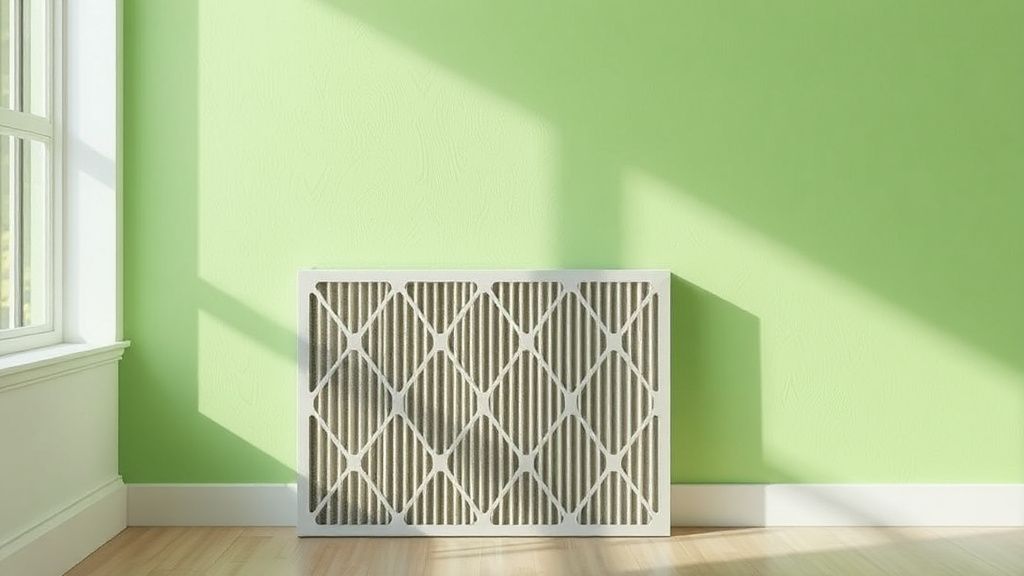
The Best Air Filters for Homes with Art Collections and Antiques
Maintaining pristine air quality is essential for homes with valuable art collections and antiques. These items are often sensitive to environmental factors like dust, humidity, and pollutants, which can cause deterioration over time. Choosing the right air filter can help preserve these treasures while ensuring a healthier living environment. Here’s a guide to the best air filters and purifiers for homes with art and antiques, along with tips on what to look for when making your selection.
Why Air Quality Matters for Art and Antiques
Artwork and antiques are vulnerable to airborne particles, humidity fluctuations, and chemical pollutants. Dust can settle on surfaces, leading to discoloration or physical damage. High humidity levels can promote mold growth or cause materials like wood to warp, while low humidity can dry out and crack delicate items. Chemical pollutants, such as volatile organic compounds (VOCs), can also degrade materials over time. By using effective air filtration, you can mitigate these risks and extend the lifespan of your collection.
Types of Air Filters for Art and Antique Preservation
When selecting air filters, consider the following types, which are particularly well-suited for protecting art and antiques:
1. High-Efficiency Particulate Air (HEPA) Filters
HEPA filters are renowned for their ability to capture 99.97% of particles as small as 0.3 microns, including dust, pollen, and mold spores. For homes with art collections, HEPA filters are ideal for reducing fine dust that can settle on surfaces and cause damage over time. Look for HEPA air purifiers or HVAC systems with HEPA-compatible filters.
2. Activated Carbon Filters
Activated carbon filters are excellent for removing VOCs, odors, and gaseous pollutants that can harm sensitive materials like paint, fabric, and wood. These filters work by adsorbing chemicals onto their porous surface. Pairing a HEPA filter with an activated carbon filter provides comprehensive protection against both particulate and gaseous pollutants.
3. Electrostatic Filters
Electrostatic filters use an electric charge to attract and capture airborne particles. They are effective at trapping dust and other pollutants and are often washable and reusable. However, they may not capture finer particles as effectively as HEPA filters, so they are best used in conjunction with other filtration methods.
4. UV-C Air Purifiers
UV-C purifiers use ultraviolet light to kill mold spores, bacteria, and viruses, which can be particularly beneficial in humid environments where mold growth is a concern. While UV-C purifiers don’t remove dust or particles, they can complement other filtration systems to create a cleaner, healthier environment.
Understanding MERV Ratings
The Minimum Efficiency Reporting Value (MERV) rating indicates how effectively a filter captures particles. For homes with art and antiques, a MERV rating of 11 or higher is recommended. Filters with MERV 11-13 can capture smaller particles like mold spores and fine dust, while MERV 14-16 filters offer hospital-grade filtration for even smaller contaminants. Avoid using filters with MERV ratings above 16 in standard HVAC systems, as they can restrict airflow and strain the system.
Best Practices for Air Filtration in Art and Antique Spaces
- Regular Maintenance: Replace or clean air filters according to the manufacturer’s recommendations to ensure optimal performance. Clogged filters can reduce efficiency and allow pollutants to circulate.
- Control Humidity: Use a dehumidifier or humidifier to maintain a stable humidity level between 40% and 50%, which is ideal for most art and antiques.
- Avoid Ozone Generators: Ozone can degrade materials like rubber, textiles, and paint, so avoid air purifiers that produce ozone as a byproduct.
- Consider Whole-House Solutions: Whole-house air purifiers integrated into your HVAC system provide consistent filtration throughout your home, protecting every room where art or antiques are displayed.
What to Look for When Choosing an Air Filter
When selecting an air filter or purifier for a home with art collections and antiques, consider the following factors:
- Filtration Efficiency: Look for filters with high MERV ratings (11-16) or HEPA certification to capture fine particles.
- Activated Carbon Content: Ensure the filter includes activated carbon to remove VOCs and odors.
- Compatibility: Verify that the filter is compatible with your HVAC system or air purifier.
- Airflow Capacity: Choose a filter that balances filtration efficiency with adequate airflow to avoid straining your system.
- Additional Features: Consider features like UV-C light for mold prevention or smart sensors for monitoring air quality.
Conclusion
Protecting your art collections and antiques from airborne pollutants requires a proactive approach to air quality. By investing in the right air filters and purifiers, you can safeguard your valuable items while improving the overall air quality in your home. Whether you opt for HEPA filters, activated carbon filters, or a combination of solutions, prioritizing air filtration will help preserve your treasures for years to come.
Our picks worth a closer look
Phone cases · Sponsored · 15% off first order
Phone Case Gift — They pick the model · 2 minutes Code FIRST15GIFT
- Filtrete 16x25x1 AC Furnace Air Filter, MPR 1000 MERV 11Check on Amazon → — see current price and specs.