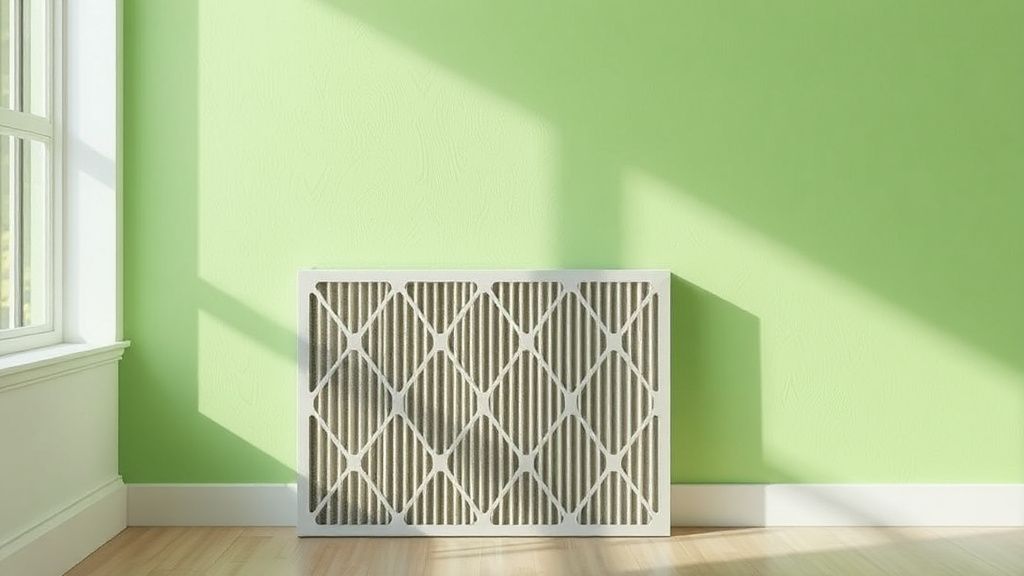
The Best Air Filters for Homes with Central Vacuum Systems
Central vacuum systems are a popular choice for homeowners seeking efficient and convenient cleaning solutions. However, these systems can stir up dust and allergens, making it essential to pair them with the right air filters to maintain optimal indoor air quality. Choosing the best air filter for your HVAC or furnace system can significantly reduce airborne particles and improve the overall air quality in your home.
Why Air Filters Matter with Central Vacuum Systems
Central vacuum systems are designed to remove dust and debris from your home, but they can inadvertently release fine particles into the air during operation. These particles can include allergens like pollen, pet dander, and dust mites, which can exacerbate respiratory issues or allergies. A high-quality air filter helps capture these particles before they circulate through your HVAC system, ensuring cleaner air for your household.
Types of Air Filters for Homes with Central Vacuum Systems
When selecting an air filter for your home, it’s important to consider the type of filter that best suits your needs. Here are the most common types of air filters compatible with central vacuum systems:
1. Pleated Air Filters
Pleated air filters are a popular choice for homeowners due to their balance of efficiency and affordability. These filters are made from folded polyester or cotton fabric, which increases their surface area and allows them to capture more particles. Pleated filters typically have a MERV (Minimum Efficiency Reporting Value) rating between 8 and 13, making them effective at capturing dust, pollen, and mold spores.
- Best for: Homes with moderate levels of dust and allergens.
- Features: Durable, cost-effective, and widely available.
2. HEPA Filters
High-Efficiency Particulate Air (HEPA) filters are the gold standard for air filtration. These filters can capture 99.97% of particles as small as 0.3 microns, including bacteria, viruses, and ultrafine dust. While HEPA filters are highly effective, they require a compatible HVAC system due to their dense construction, which can restrict airflow.
- Best for: Homes with severe allergies, asthma, or high levels of pollutants.
- Features: Superior filtration, ideal for sensitive individuals.
3. Electrostatic Filters
Electrostatic air filters use an electric charge to attract and capture airborne particles. These filters are available in both washable and disposable versions. Washable electrostatic filters are eco-friendly and cost-effective over time, while disposable versions offer convenience.
- Best for: Eco-conscious homeowners or those looking for reusable options.
- Features: Washable, energy-efficient, and effective at capturing smaller particles.
4. Activated Carbon Filters
Activated carbon filters are designed to remove odors, gases, and volatile organic compounds (VOCs) from the air. These filters are often combined with other types of filtration to provide comprehensive air purification. While they are not as effective at capturing particulate matter, they are ideal for homes with strong odors or chemical sensitivities.
- Best for: Homes with pets, smokers, or chemical odors.
- Features: Odor elimination, VOC reduction.
Matching Air Filters to Your HVAC System
Before purchasing an air filter, ensure it is compatible with your HVAC or furnace system. High-efficiency filters like HEPA or those with high MERV ratings may restrict airflow if your system is not designed to handle them. Check your system’s specifications or consult an HVAC professional to avoid potential issues.
What to Look for in an Air Filter
When choosing an air filter for a home with a central vacuum system, consider the following factors:
- MERV Rating: Look for a filter with a MERV rating between 8 and 13 for optimal balance between filtration and airflow. Higher MERV ratings provide better filtration but may require a compatible HVAC system.
- Filter Type: Select a filter type that aligns with your specific needs, whether it’s allergen reduction, odor control, or eco-friendliness.
- Compatibility: Ensure the filter size and thickness match your HVAC or furnace system.
- Replacement Frequency: Check the manufacturer’s recommendations for filter replacement intervals to maintain peak performance.
- Airflow Restriction: Avoid filters that are too dense for your system, as they can reduce efficiency and increase energy costs.
Maintaining Your Air Filters
Regular maintenance is key to ensuring your air filters perform effectively. Replace disposable filters according to the manufacturer’s guidelines, typically every 1-3 months. For washable filters, clean them according to the instructions to prevent buildup of debris. Additionally, schedule routine HVAC maintenance to keep your system running smoothly.
Conclusion
Pairing your central vacuum system with the right air filter is essential for maintaining clean and healthy indoor air. Whether you opt for pleated, HEPA, electrostatic, or activated carbon filters, choosing the right type depends on your specific needs and HVAC system capabilities. By understanding the features and benefits of each filter type, you can make an informed decision that enhances your home’s air quality and comfort.
Our picks worth a closer look
Phone cases · Sponsored · 15% off first order
Phone Case Gift — They pick the model · 2 minutes Code FIRST15GIFT
- Filtrete 16x25x1 AC Furnace Air Filter, MPR 1000 MERV 11Check on Amazon → — see current price and specs.