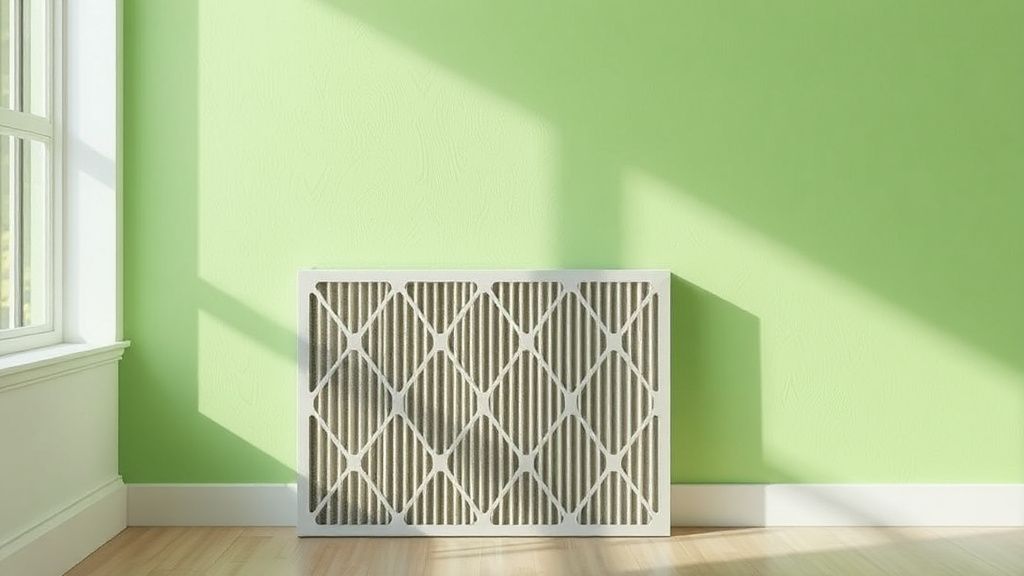
The Best Air Filters for Homes with Smokers
Living with a smoker can significantly impact indoor air quality, introducing harmful pollutants like tobacco smoke, tar, and volatile organic compounds (VOCs) into your home. These pollutants can linger in the air and settle on surfaces, posing health risks to both smokers and non-smokers. To combat this, investing in the right air filters is essential. Here’s a guide to the best air filters for homes with smokers, along with tips on what to look for when making your choice.
Why Smoke-Specific Air Filters Matter
Cigarette smoke contains thousands of chemicals, many of which are harmful to respiratory health. Standard air filters may not effectively capture these fine particles and odors. To address this, you’ll need air filters designed to handle smoke particles, which are typically smaller than 1 micron in size. These filters often combine mechanical filtration with activated carbon or other odor-neutralizing technologies to improve air quality.
Types of Air Filters for Smoke
1. High-Efficiency Particulate Air (HEPA) Filters
HEPA filters are highly effective at capturing smoke particles, including fine particulates as small as 0.3 microns. They can trap up to 99.97% of airborne pollutants, making them an excellent choice for homes with smokers. However, standalone HEPA filters won’t eliminate smoke odors, so pairing them with an activated carbon filter is recommended.
2. Activated Carbon Filters
Activated carbon filters are specifically designed to absorb odors and VOCs, including those from cigarette smoke. These filters contain a porous carbon material that chemically binds with smoke particles and neutralizes odors. While they don’t capture particulate matter as effectively as HEPA filters, they are a crucial component for reducing smoke-related smells.
3. MERV-Rated Filters
MERV (Minimum Efficiency Reporting Value) ratings indicate how well a filter can capture particles of different sizes. For homes with smokers, look for filters with a MERV rating of 13 or higher. These filters are capable of capturing small particles, including smoke, but may restrict airflow in some HVAC systems. Always check your system’s compatibility before upgrading to a higher MERV rating.
4. Electrostatic Filters
Electrostatic filters use an electric charge to attract and trap smoke particles. They are washable and reusable, making them a cost-effective option. However, they may not be as effective as HEPA or activated carbon filters for smoke removal, especially for fine particles and odors.
5. UV Air Purifiers
UV air purifiers use ultraviolet light to kill bacteria, viruses, and mold spores. While they don’t directly remove smoke particles or odors, they can be a helpful addition to a comprehensive air filtration system. Pairing a UV purifier with a HEPA and activated carbon filter can provide a more thorough solution for improving air quality.
Top Features to Look For in Smoke-Specific Air Filters
When choosing an air filter for a home with smokers, consider the following features:
- High-Efficiency Filtration: Look for filters with HEPA technology or a high MERV rating (13-16) to capture fine smoke particles.
- Odor Neutralization: Activated carbon or charcoal filters are essential for eliminating smoke odors.
- Compatibility: Ensure the filter is compatible with your HVAC system or air purifier.
- Filtration Area: Larger filters or those with pleated designs offer more surface area for capturing pollutants.
- Maintenance: Consider how often the filter needs to be replaced or cleaned to maintain effectiveness.
Combining Filters for Maximum Effectiveness
For the best results, consider using a combination of filters. For example, pairing a HEPA filter with an activated carbon filter can address both particulate matter and odors. Alternatively, investing in an air purifier that includes both HEPA and carbon filtration can provide a comprehensive solution. Some advanced air purifiers also feature additional technologies like ionizers or UV lights for enhanced air cleaning.
Maintenance Tips for Homes with Smokers
Regular maintenance is crucial to keep your air filters functioning effectively in a smoking environment. Here are some tips:
- Replace Filters Frequently: Smoke can clog filters quickly, so replace them more often than recommended, especially if smoking occurs frequently indoors.
- Clean Air Purifiers: If you’re using an electrostatic or washable filter, clean it regularly to prevent buildup.
- Ventilate Your Home: Open windows and use exhaust fans to reduce indoor smoke concentration.
- Clean Surfaces: Regularly wipe down walls, furniture, and other surfaces to remove settled smoke particles.
Conclusion
Improving air quality in a home with smokers requires specialized air filters designed to capture fine particles and neutralize odors. HEPA filters, activated carbon filters, and high-MERV-rated filters are among the best options for tackling smoke-related pollutants. Combining these filters with proper maintenance and ventilation can significantly enhance indoor air quality, making your home a healthier environment for everyone. When selecting a filter, prioritize high-efficiency filtration, odor neutralization, and compatibility with your HVAC system or air purifier. By taking these steps, you can breathe easier and reduce the impact of smoking on your home’s air quality.
Our picks worth a closer look
Phone cases · Sponsored · 15% off first order
Phone Case Gift — They pick the model · 2 minutes Code FIRST15GIFT
- Filtrete 16x25x1 AC Furnace Air Filter, MPR 1000 MERV 11Check on Amazon → — see current price and specs.