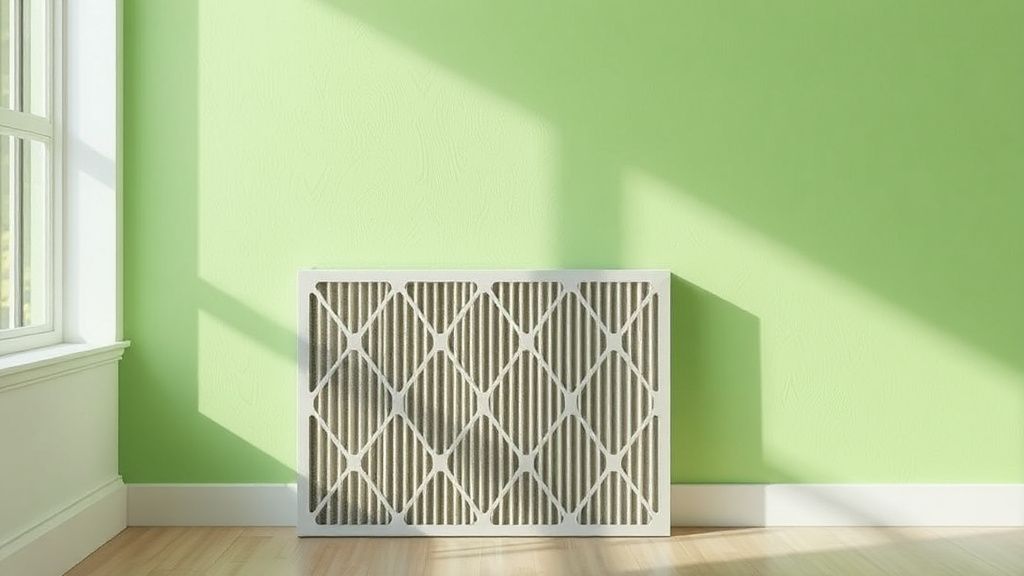
The Best Air Filters for Preventing HVAC System Breakdowns
Your HVAC system is one of the most critical components of your home, ensuring comfort year-round. However, neglecting air filter maintenance can lead to costly breakdowns, reduced efficiency, and poor indoor air quality. Choosing the right air filter not only improves air quality but also protects your HVAC system from premature wear and failure.
In this guide, we’ll explore the best types of air filters for preventing HVAC breakdowns, how MERV ratings impact performance, and key features to look for when selecting a filter.
Why Air Filters Matter for HVAC Longevity
Phone cases · Sponsored · 15% off first order
Phone Case Gift — They pick the model · 2 minutes Code FIRST15GIFT
HVAC systems rely on proper airflow to function efficiently. A clogged or low-quality filter restricts airflow, forcing the system to work harder. Over time, this strain can lead to:
- Overheating – Reduced airflow causes components like the blower motor and heat exchanger to overheat.
- Frozen Coils – In air conditioners, restricted airflow can cause refrigerant coils to freeze, damaging the compressor.
- Increased Energy Bills – A struggling HVAC system consumes more energy, raising utility costs.
- Premature System Failure – Continuous strain shortens the lifespan of critical components.
Using the right filter helps maintain airflow while capturing dust, pollen, and debris before they enter the system.
Types of Air Filters for HVAC Protection
Not all air filters are created equal. Here are the most effective types for preventing HVAC breakdowns:
1. Pleated Fiberglass Filters (MERV 5-8)
These are among the most common furnace and AC filters. Made from layered polyester or cotton, they trap dust and larger particles effectively.
- Pros: Affordable, disposable, and better than flat fiberglass filters.
- Cons: Less effective for small particles like mold spores or pet dander.
- Best for: Homes with minimal allergens and frequent filter changes (every 30-60 days).
2. Electrostatic Filters (MERV 8-10)
These filters use self-charging fibers to attract and capture particles. They come in both disposable and washable versions.
- Pros: Better at trapping small particles than standard pleated filters. Washable models save money long-term.
- Cons: Washable versions require regular cleaning to maintain efficiency.
- Best for: Households with pets or mild allergies.
3. High-Efficiency Particulate Air (HEPA) Filters (MERV 17-20)
HEPA filters capture 99.97% of particles as small as 0.3 microns, including smoke, bacteria, and viruses.
- Pros: Exceptional filtration for allergy and asthma sufferers.
- Cons: May restrict airflow in standard HVAC systems; often requires a compatible system or standalone air purifier.
- Best for: Homes with severe allergies or standalone air purifiers.
4. Carbon-Enhanced Filters (MERV 8-13)
These combine standard filtration with activated carbon to absorb odors and volatile organic compounds (VOCs).
- Pros: Reduces household odors (smoke, cooking, pets).
- Cons: Shorter lifespan than standard filters due to carbon saturation.
- Best for: Homes with odor concerns or smokers.
5. UV Air Purifiers (Not a Filter, but a Supplement)
While not a filter, UV purifiers kill mold, bacteria, and viruses inside the HVAC system, reducing strain on filters.
- Pros: Improves air quality and reduces microbial buildup in ducts.
- Cons: Doesn’t remove dust or particles; must be used with a filter.
- Best for: Homes with mold concerns or immune-compromised individuals.
Understanding MERV Ratings
Phone cases · Sponsored · 15% off first order
Titan Case — Precision fit · 2,000+ designs Code FIRST15TIT
The Minimum Efficiency Reporting Value (MERV) measures a filter’s ability to trap particles. Higher MERV ratings mean better filtration but may restrict airflow if the HVAC system isn’t designed for them.
- MERV 1-4: Basic dust capture (ineffective for HVAC protection).
- MERV 5-8: Good for dust, pollen, and lint (standard residential use).
- MERV 9-12: Captures mold spores, pet dander, and finer particles.
- MERV 13-16: Hospital-grade filtration (may require HVAC modifications).
For most homes, MERV 8-11 offers the best balance between filtration and airflow.
What to Look for in an HVAC Air Filter
When selecting a filter to prevent breakdowns, consider:
- MERV Rating – Choose a filter that balances filtration and airflow (MERV 8-11 for most systems).
- Filter Thickness – Thicker filters (4-5 inches) last longer and maintain airflow better than 1-inch filters.
- Compatibility – Ensure the filter fits your HVAC system snugly to prevent bypass.
- Change Frequency – Check manufacturer recommendations; some filters last 90 days, others need monthly changes.
- HVAC System Requirements – High-MERV filters may require a variable-speed blower or system upgrade.
Maintaining Your Air Filter for Optimal Performance
Phone cases · Sponsored · 15% off first order
Phone Cases For Charity — Every case supports a cause Code GIVE10Even the best filter won’t help if neglected. Follow these tips:
- Check Monthly – Inspect for clogs, especially during heavy use (summer/winter).
- Replace on Schedule – Disposable filters typically last 1-3 months; washable filters need cleaning every 30 days.
- Monitor System Performance – Unusual noises or reduced airflow may indicate a clogged filter.
Final Thoughts
The right air filter protects your HVAC system from unnecessary wear, improves indoor air quality, and prevents costly repairs. Pleated filters (MERV 8-11) are ideal for most homes, while HEPA or carbon filters suit specialized needs. Always check your HVAC system’s requirements and replace filters regularly to keep your system running smoothly.
By investing in a quality filter and staying on top of maintenance, you’ll extend the life of your HVAC system and enjoy cleaner, healthier air year-round.
Our picks worth a closer look
- Filtrete 16x25x1 AC Furnace Air Filter, MPR 1000 MERV 11Check on Amazon → — see current price and specs.
- Filtrete Healthy Living Ultra Allergen 16x25x1, MERV 13Check on Amazon → — see current price and specs.