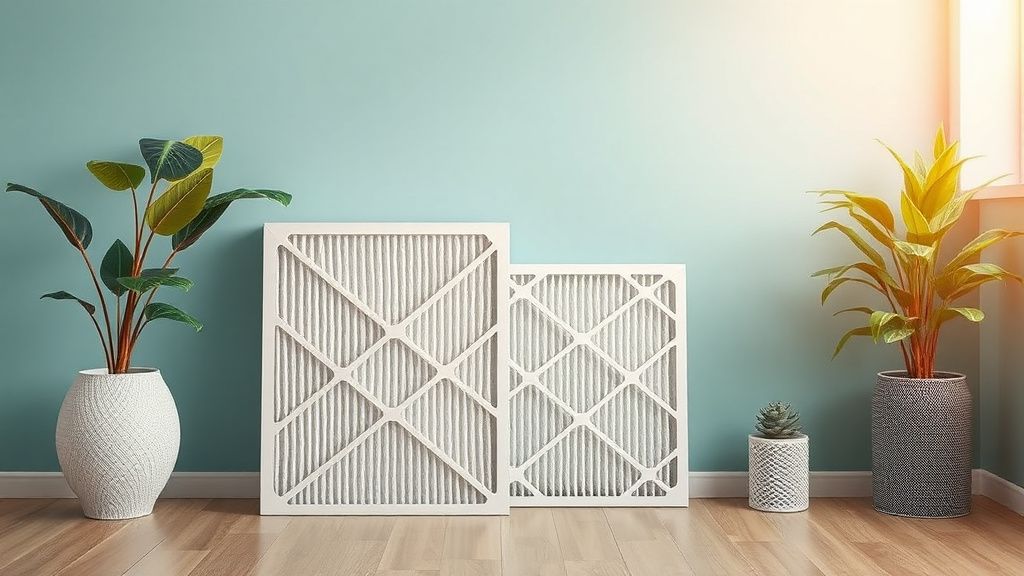
The Best Air Filters for Southern Climates: Humidity and Pollen Solutions
Southern climates present unique challenges for indoor air quality. High humidity levels encourage mold and mildew growth, while pollen counts can be extreme during allergy season. To maintain clean, healthy air, homeowners need air filters that address both moisture-related issues and airborne allergens. Here’s a guide to the best air filter solutions for Southern homes.
Understanding Southern Air Quality Challenges
Phone cases · Sponsored · 15% off first order
Phone Case Gift — They pick the model · 2 minutes Code FIRST15GIFT
Humidity and Mold
High humidity in the South (often above 60%) creates a breeding ground for mold spores and dust mites. These contaminants thrive in damp conditions and can worsen allergies and respiratory issues.
Pollen and Allergens
Regions like Texas, Florida, and Georgia experience prolonged pollen seasons. Grass, tree, and weed pollen can infiltrate homes, aggravating allergies.
Dust and Particulate Matter
Dust is more prevalent in warm climates where windows and doors are frequently opened. Fine particulate matter (PM2.5) from traffic and industry can also degrade indoor air quality.
Best Air Filter Types for Southern Climates
1. High-MERV Pleated Filters (MERV 11-13)
Pleated filters with a MERV 11-13 rating are ideal for capturing pollen, mold spores, and dust. Their dense, folded design increases surface area, improving particle capture without overly restricting airflow.
- Best for: Homes with moderate to high pollen levels.
- Key Features:
- Traps smaller particles (1-3 microns).
- Works well in standard HVAC systems.
- Needs replacement every 3 months (more often during peak allergy season).
2. Electrostatic Filters
Electrostatic filters use static charge to attract and trap particles, including pollen, pet dander, and mold spores. They come in both washable and disposable versions.
- Best for: Homes with high allergen loads.
- Key Features:
- Washable versions save money long-term.
- Effective against smaller particles.
- May require more frequent cleaning in humid climates to prevent mold buildup.
3. Activated Carbon Filters
While not primarily for particle filtration, activated carbon filters excel at reducing humidity-related odors (musty smells, mildew) and trapping volatile organic compounds (VOCs).
- Best for: Homes with musty odors or high humidity.
- Key Features:
- Absorbs odors and chemicals.
- Often paired with a MERV-rated filter for particle control.
- Needs replacement every 3-6 months.
4. HEPA Filters (for Air Purifiers)
HEPA filters capture 99.97% of particles as small as 0.3 microns, including pollen, mold spores, and dust mites. However, most residential HVAC systems can’t handle true HEPA filters due to airflow restrictions.
- Best for: Standalone air purifiers in bedrooms or living areas.
- Key Features:
- Extremely effective for allergy sufferers.
- Requires a compatible air purifier unit.
- Filters should be replaced every 6-12 months.
5. UV-C Air Purifiers (for Mold and Bacteria)
UV-C light systems installed in HVAC ducts kill mold spores, bacteria, and viruses. They work best alongside a MERV-rated filter to capture dead particles.
- Best for: Homes with persistent mold issues.
- Key Features:
- Reduces microbial growth in ducts.
- Requires professional installation.
- Bulbs need replacement annually.
What to Look for in a Southern Climate Air Filter
Phone cases · Sponsored · 15% off first order
Titan Case — Precision fit · 2,000+ designs Code FIRST15TIT
1. MERV Rating (8-13 Ideal)
A MERV 8 filter catches pollen and dust, while MERV 11-13 traps smaller mold spores and allergens. Avoid MERV 16+ unless your HVAC system is designed for it.
2. Moisture Resistance
In humid areas, filters with antimicrobial coatings help prevent mold growth on the filter itself.
3. Airflow Compatibility
High-efficiency filters can strain weak HVAC systems. Check your system’s specs before upgrading.
4. Replacement Frequency
Pollen-heavy seasons may require more frequent changes (every 2 months instead of 3).
5. Combination Solutions
For best results, pair a MERV 11-13 filter with an air purifier (HEPA or UV-C) in high-traffic areas.
Maintenance Tips for Southern Homes
- Check filters monthly during peak allergy season.
- Use a dehumidifier to keep indoor humidity below 50%.
- Seal windows and doors to reduce pollen infiltration.
- Schedule HVAC maintenance to prevent mold in ducts.
Final Thoughts
Phone cases · Sponsored · 15% off first order
Phone Cases For Charity — Every case supports a cause Code GIVE10Southern homeowners need air filters that combat both humidity and pollen. A MERV 11-13 pleated filter is a great baseline, while adding an air purifier with HEPA or UV-C can enhance protection. Regular maintenance and humidity control are just as important as filter selection. By choosing the right products and staying proactive, you can enjoy cleaner, healthier air year-round.
Our picks worth a closer look
- Filtrete 16x25x1 AC Furnace Air Filter, MPR 1000 MERV 11Check on Amazon → — see current price and specs.