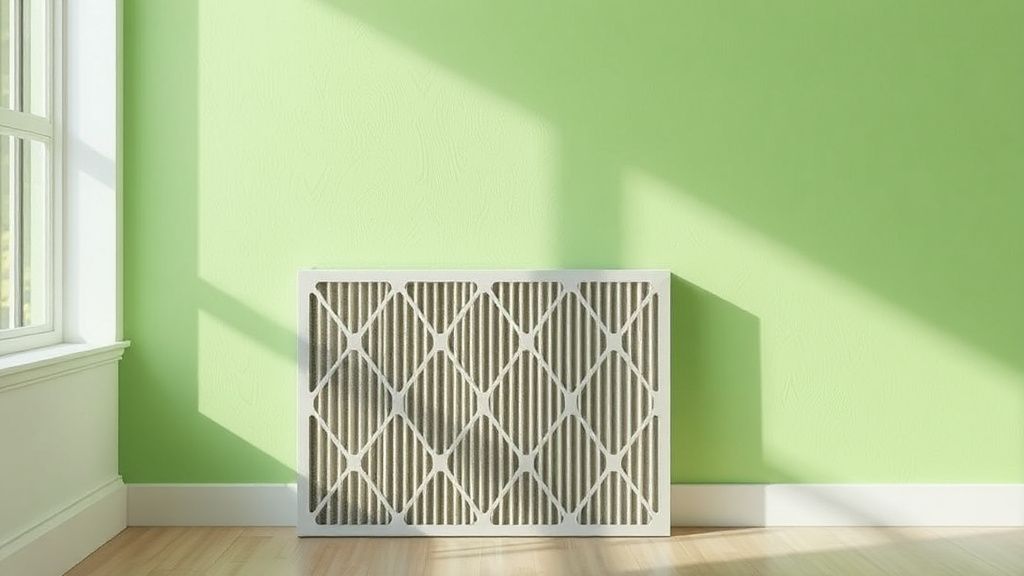
The Environmental Impact of Air Filters: Sustainable Choices
Improving indoor air quality is essential for health, but it’s also important to consider the environmental impact of the air filters we use. From disposable HVAC filters to reusable options, every choice has consequences for waste generation, energy efficiency, and resource consumption. This article explores how different types of air filters affect the environment and provides guidance on making sustainable choices without compromising performance.
Understanding Air Filter Types and Their Environmental Footprint
Not all air filters are created equal—some are designed for single use, while others can be cleaned and reused. Here’s how common types compare in terms of sustainability:
Disposable Fiberglass and Pleated Filters
- Fiberglass filters are the least efficient (typically MERV 1-4) and must be replaced monthly. Their thin construction means they generate frequent waste.
- Pleated filters (MERV 8-13) last longer (3-6 months) but still contribute to landfill waste. Some are made with synthetic materials that don’t decompose easily.
Environmental impact: High waste generation, frequent replacements, and non-biodegradable materials in some cases.
Electrostatic Filters
- These filters use self-charging fibers to attract particles.
- Some are washable, reducing waste, while disposable versions exist.
- Energy use: No additional power required when used in standard HVAC systems.
Environmental impact: Washable versions are more sustainable, but disposable ones still create waste.
HEPA Filters (in Air Purifiers)
- True HEPA filters (MERV 17+) trap 99.97% of particles but require more energy due to restricted airflow.
- Most are disposable and must be replaced every 6-12 months.
- Some brands offer recyclable HEPA filters, though options are limited.
Environmental impact: Higher energy consumption in purifiers and disposal concerns.
Reusable (Washable) Filters
- Made from metal or synthetic mesh, these can be cleaned and reused for years.
- Typically range from MERV 6-11, balancing efficiency and longevity.
- Downside: May require more frequent cleaning, which uses water.
Environmental impact: Lowest waste production but may increase water usage.
How Filter Efficiency (MERV) Affects Sustainability
Phone cases · Sponsored · 15% off first order
Phone Case Gift — They pick the model · 2 minutes Code FIRST15GIFT
A filter’s Minimum Efficiency Reporting Value (MERV) rating influences both air quality and energy efficiency.
- Low-MERV filters (1-8) allow better airflow, reducing strain on HVAC systems and lowering energy use. However, they require frequent replacements.
- High-MERV filters (9-16) trap more pollutants but restrict airflow, increasing energy consumption.
- Best balance: MERV 8-13 provides decent filtration without excessive energy costs.
Pro Tip: Check your HVAC system’s compatibility—some systems can’t handle high-MERV filters, leading to inefficiency and higher emissions.
The Hidden Costs of Air Filter Waste
Millions of disposable filters end up in landfills each year. Key concerns:
- Non-recyclable materials: Many filters contain fiberglass, polyester, or metal framing that can’t be recycled curbside.
- Plastic packaging: Individual plastic wraps add to pollution.
- Carbon footprint: Manufacturing and transporting disposable filters consumes resources.
Sustainable alternatives:
- Look for recyclable filter programs (some manufacturers offer take-back initiatives).
- Choose minimal packaging or bulk purchases to reduce waste.
Energy Efficiency and HVAC System Strain
Phone cases · Sponsored · 15% off first order
Titan Case — Precision fit · 2,000+ designs Code FIRST15TIT
Air filters impact your HVAC system’s energy use in two ways:
- Clogged filters force the system to work harder, increasing energy consumption.
- Overly restrictive filters (high-MERV) can reduce airflow, causing similar inefficiencies.
Solutions:
- Replace disposable filters on schedule (every 1-3 months).
- For reusable filters, clean them as recommended (usually every 1-2 months).
- Ensure proper filter sizing—ill-fitting filters let particles bypass the system, reducing efficiency.
What to Look for in a Sustainable Air Filter
When choosing an eco-friendly air filter, consider:
✔ Material: Opt for biodegradable, recyclable, or reusable options.
✔ Lifespan: Longer-lasting filters reduce waste (e.g., washable or extended-use disposables).
✔ MERV rating: Match efficiency to your needs—higher isn’t always better if it strains your HVAC.
✔ Certifications: Look for ENERGY STAR-rated air purifiers or filters with eco-labels.
✔ Recycling options: Some brands provide recycling programs for used filters.
Final Thoughts
Phone cases · Sponsored · 15% off first order
Phone Cases For Charity — Every case supports a cause Code GIVE10Balancing air quality and sustainability means choosing filters that minimize waste and energy use while maintaining performance. Reusable filters are ideal for low-waste households, while properly maintained disposable filters with a moderate MERV rating can also be a practical choice. By understanding the environmental impact of air filters, you can make informed decisions that benefit both your home and the planet.
Next Steps:
- Check your HVAC system’s filter requirements.
- Explore recyclable or washable filter options.
- Set reminders for filter maintenance to optimize efficiency.
Our picks worth a closer look
- Filtrete 16x25x1 AC Furnace Air Filter, MPR 1000 MERV 11Check on Amazon → — see current price and specs.