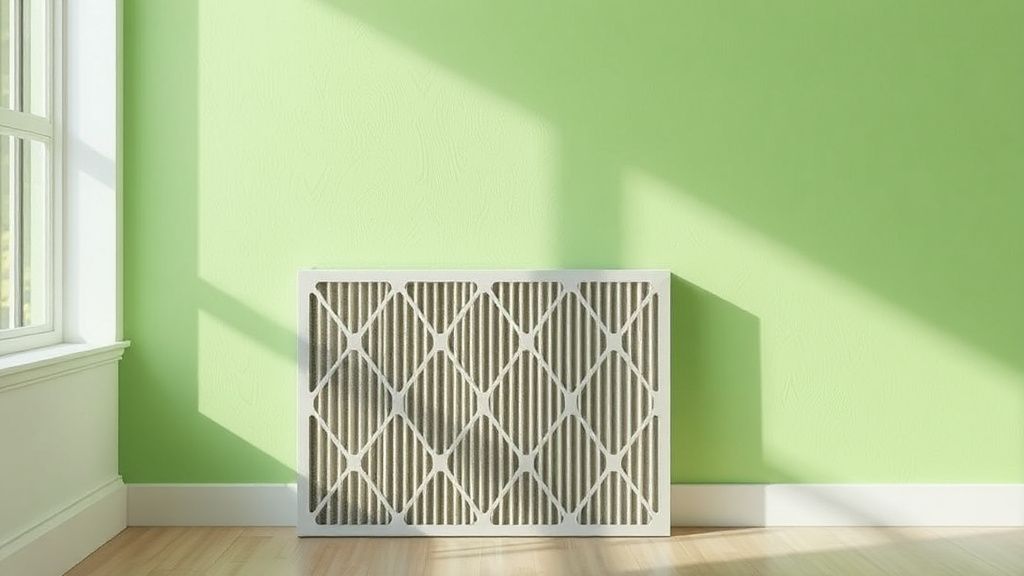
The Future of Air Filtration: Innovations on the Horizon
Air quality has become a growing concern for homeowners, especially as pollution levels rise and awareness of indoor air contaminants increases. From allergens and mold spores to volatile organic compounds (VOCs) and particulate matter, the air inside our homes can often be more polluted than outdoor air. As a result, advancements in air filtration technology are evolving rapidly, offering smarter, more efficient, and sustainable solutions. Here’s a look at the innovations shaping the future of air filtration and what they mean for your home.
Smart Air Filtration Systems
Phone cases · Sponsored · 15% off first order
Phone Case Gift — They pick the model · 2 minutes Code FIRST15GIFT
One of the most exciting developments in air filtration is the integration of smart technology. Modern air purifiers and HVAC systems are now equipped with sensors that monitor air quality in real time. These devices can detect pollutants like dust, pollen, VOCs, and even carbon dioxide levels, adjusting filtration automatically to maintain optimal air quality.
For example, smart air purifiers often come with companion apps that allow homeowners to track air quality remotely and receive alerts when filter replacement is needed. Some systems even integrate with smart home platforms like Google Home or Amazon Alexa, enabling voice control and seamless automation.
When it comes to HVAC systems, smart thermostats with built-in air quality monitoring are becoming more common. These devices can adjust fan speeds and filtration levels based on real-time data, ensuring your home stays clean and comfortable without wasting energy.
Advanced Filtration Media
Traditional fiberglass and pleated filters are being replaced by more advanced materials designed to capture smaller particles and last longer. High-efficiency particulate air (HEPA) filters remain the gold standard, capable of trapping 99.97% of particles as small as 0.3 microns. However, new innovations are pushing the boundaries even further.
Electrostatic filters, for instance, use an electric charge to attract and capture particles, making them highly effective against allergens and dust. Some manufacturers are also experimenting with antimicrobial coatings that inhibit the growth of bacteria and mold on filter surfaces, extending their lifespan and improving hygiene.
Another emerging technology is activated carbon filtration, which excels at removing odors, gases, and VOCs. These filters are often combined with HEPA media in hybrid air purifiers, offering comprehensive protection against both particulate and gaseous pollutants.
Energy-Efficient Designs
Phone cases · Sponsored · 15% off first order
Titan Case — Precision fit · 2,000+ designs Code FIRST15TIT
As sustainability becomes a priority, energy efficiency is a key focus in air filtration innovation. Traditional HVAC systems can consume significant energy, especially when running at higher fan speeds to improve air quality. However, newer systems are designed to minimize energy use without compromising performance.
Variable-speed blowers, for example, adjust airflow based on demand, reducing energy consumption during periods of low pollution. Similarly, energy-efficient air purifiers use advanced motors and optimized airflow designs to operate quietly and consume less power.
For homeowners, upgrading to energy-efficient air filtration systems not only lowers utility bills but also reduces their carbon footprint. Look for products with ENERGY STAR certification, which indicates they meet strict energy efficiency guidelines set by the U.S. Environmental Protection Agency.
MERV Ratings and Beyond
Minimum Efficiency Reporting Value (MERV) ratings have long been the standard for measuring filter effectiveness. Filters with higher MERV ratings capture more particles, but they can also restrict airflow if not used in compatible systems. To address this limitation, manufacturers are developing filters that combine high MERV ratings with low airflow resistance.
Some advanced filters now exceed the traditional MERV scale, offering MERV-A ratings that account for both initial and sustained performance over time. These filters are ideal for homeowners who want superior filtration without sacrificing HVAC efficiency.
Portable and Modular Solutions
Phone cases · Sponsored · 15% off first order
Phone Cases For Charity — Every case supports a cause Code GIVE10While whole-house filtration systems are effective, they can be costly to install and maintain. Portable air purifiers offer a flexible alternative, allowing homeowners to target specific areas like bedrooms or living rooms. Newer models are more compact, quieter, and feature improved filtration capabilities, making them a practical choice for smaller spaces.
Modular air filtration systems are also gaining popularity. These systems allow homeowners to customize their setup by adding or removing components based on their needs. For example, you can combine a HEPA filter with an activated carbon module for enhanced odor control, or add a UV-C light module to kill bacteria and viruses.
UV-C and Photocatalytic Oxidation
Ultraviolet (UV) light technology has been used for decades in hospitals and laboratories to disinfect air and surfaces. Now, UV-C air purifiers are becoming more accessible for residential use. These devices use short-wavelength UV light to kill bacteria, viruses, and mold spores, providing an additional layer of protection.
Photocatalytic oxidation (PCO) is another promising technology that uses UV light to activate a catalyst, breaking down harmful pollutants into harmless substances like water and carbon dioxide. While still in the early stages of adoption for home use, PCO systems show great potential for combating VOCs and other gaseous contaminants.
What to Look for in Future Air Filtration Products
When shopping for air filtration products, keep the following features in mind to ensure you’re investing in the latest technology:
- Smart Capabilities: Look for systems with real-time air quality monitoring, app connectivity, and smart home integration.
- Advanced Filtration Media: Choose filters with HEPA, activated carbon, or antimicrobial properties for comprehensive protection.
- Energy Efficiency: Opt for ENERGY STAR-certified products or systems with variable-speed blowers to reduce energy consumption.
- Customizability: Consider modular or portable solutions that allow you to tailor your setup to your specific needs.
- UV-C or PCO Technology: If you’re concerned about germs or VOCs, explore systems that incorporate UV-C light or photocatalytic oxidation.
By staying informed about these innovations, you can make smarter decisions about your home’s air quality and ensure you’re equipped with the best filtration technology available. The future of air filtration is bright, offering cleaner, healthier, and more sustainable solutions for every homeowner.
Our picks worth a closer look
- Filtrete 16x25x1 AC Furnace Air Filter, MPR 1000 MERV 11Check on Amazon → — see current price and specs.