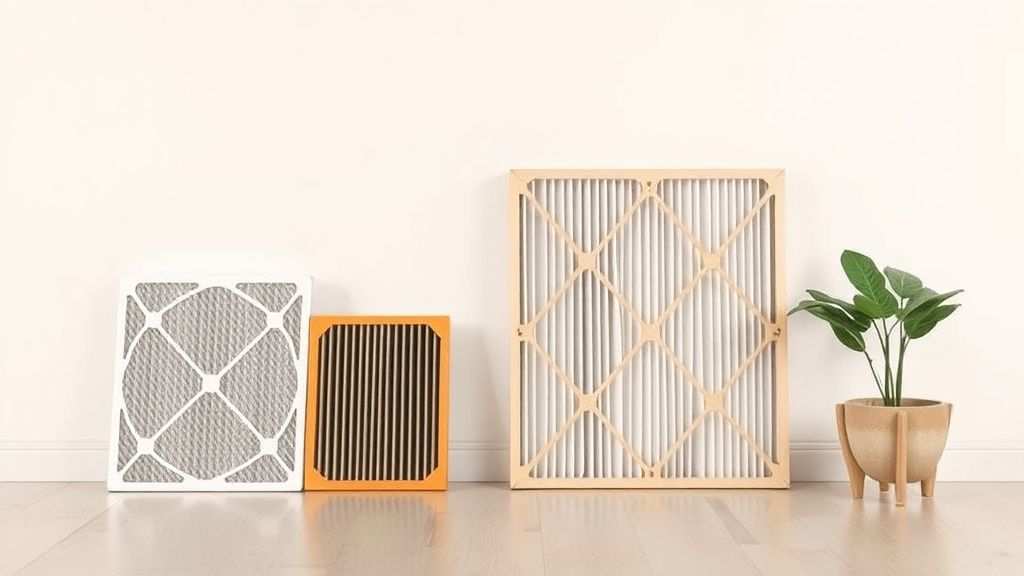
The History of Air Filtration: From Simple Screens to Advanced Tech
Early Beginnings: Basic Filtration Methods
The concept of air filtration dates back centuries, with early civilizations using rudimentary methods to improve air quality. Ancient Egyptians employed wet cloths to trap dust and smoke, while the Romans used wool and linen to filter impurities from air in mines and forges. These early solutions were simple but laid the groundwork for more advanced filtration techniques.
By the 19th century, industrial advancements led to the development of mechanical air filters, primarily made of woven fabrics or metal screens. These filters were designed to capture large particles like dust and soot, protecting early HVAC systems and industrial machinery. However, they were ineffective against smaller pollutants, prompting further innovation.
The Rise of Modern Air Filters
Phone cases · Sponsored · 15% off first order
Phone Case Gift — They pick the model · 2 minutes Code FIRST15GIFT
The 20th century saw significant progress in air filtration technology, driven by growing awareness of indoor air quality and industrial hygiene. Key milestones include:
- Fiberglass Filters (1930s-1950s): These disposable filters used layered fiberglass strands to trap dust and debris. While inexpensive, they were inefficient at capturing smaller particles and required frequent replacement.
- Pleated Filters (1960s): By folding filter media into pleats, manufacturers increased surface area, improving particle capture without restricting airflow. These filters became a standard for residential HVAC systems.
- Electrostatic Filters (1970s): Using static electricity, these filters attracted and trapped particles like pollen and pet dander. Some were washable, offering long-term cost savings.
The Introduction of MERV Ratings
In 1987, the Minimum Efficiency Reporting Value (MERV) system was introduced to standardize filter performance. Ranging from 1 to 20, MERV ratings measure a filter’s ability to capture particles of different sizes:
- MERV 1-4: Basic fiberglass filters, capturing large dust and lint.
- MERV 5-8: Common pleated filters, effective against mold spores and pet dander.
- MERV 9-12: Higher-efficiency filters for smaller particles like fine dust and auto emissions.
- MERV 13+: Near-HEPA performance, trapping bacteria and smoke.
This system helped consumers compare filters and choose the right one for their needs.
HEPA and Beyond: Advanced Filtration Technologies
Phone cases · Sponsored · 15% off first order
Titan Case — Precision fit · 2,000+ designs Code FIRST15TIT
The High-Efficiency Particulate Air (HEPA) standard, developed during World War II for nuclear research, revolutionized air filtration. True HEPA filters must capture 99.97% of particles as small as 0.3 microns, making them ideal for hospitals, labs, and homes with severe allergies.
Recent innovations include:
- Activated Carbon Filters: Added to combat odors and volatile organic compounds (VOCs), these filters chemically adsorb gases and fumes.
- UV-C Light Purifiers: Integrated into some air purifiers, UV-C light kills bacteria and viruses, though it doesn’t remove particles.
- Smart Air Purifiers: Equipped with sensors and Wi-Fi, these devices monitor air quality in real time and adjust filtration automatically.
What to Look for in a Modern Air Filter
When selecting an air filter or purifier, consider:
- MERV Rating: Choose MERV 8-13 for most homes; higher ratings may require HVAC system adjustments.
- Filter Type: Pleated, electrostatic, or HEPA—each has pros and cons for particle capture and airflow.
- Compatibility: Ensure the filter fits your furnace or HVAC system to avoid leaks or damage.
- Maintenance: Check replacement frequency and whether filters are washable.
- Additional Features: Some systems include carbon layers for odors or UV lights for germicidal protection.
The Future of Air Filtration
Phone cases · Sponsored · 15% off first order
Phone Cases For Charity — Every case supports a cause Code GIVE10Emerging technologies like nanofiber filters and photocatalytic oxidation (PCO) promise even greater efficiency and broader pollutant removal. As air quality awareness grows, expect smarter, more sustainable solutions to dominate the market.
From ancient cloths to cutting-edge purifiers, air filtration has come a long way—ensuring cleaner, healthier air for generations to come.
Our picks worth a closer look
- Filtrete 16x25x1 AC Furnace Air Filter, MPR 1000 MERV 11Check on Amazon → — see current price and specs.