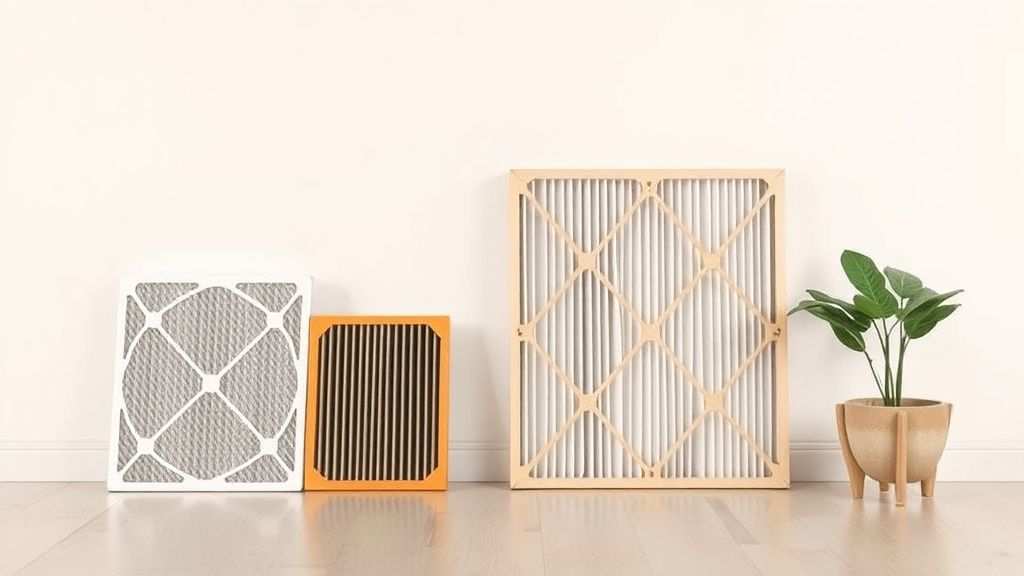
The Impact of HVAC Air Filters on Overall Home Health
The air inside your home plays a crucial role in your health and comfort. While many homeowners focus on temperature control, the quality of that air is just as important. HVAC air filters are a key component in maintaining clean indoor air by trapping dust, allergens, and pollutants. Understanding how these filters work, their types, and their impact on home health can help you make informed decisions for a healthier living environment.
How HVAC Air Filters Improve Indoor Air Quality
Phone cases · Sponsored · 15% off first order
Phone Case Gift — They pick the model · 2 minutes Code FIRST15GIFT
HVAC air filters are designed to capture airborne particles as air circulates through your heating and cooling system. They trap contaminants like:
- Dust and dirt
- Pollen and mold spores
- Pet dander
- Bacteria and viruses (to some extent)
- Smoke and volatile organic compounds (VOCs)
By removing these pollutants, air filters help reduce respiratory issues, allergy symptoms, and long-term health risks associated with poor indoor air quality. However, not all filters are equally effective—their performance depends on their type and efficiency rating.
Types of HVAC Air Filters
1. Fiberglass Filters
These are the most basic and affordable filters, typically with a MERV (Minimum Efficiency Reporting Value) rating of 1-4. They capture large particles like dust but offer minimal protection against smaller allergens or microorganisms. They’re best for homes with no major air quality concerns.
2. Pleated Filters
Made from polyester or cotton folds, pleated filters have a higher surface area and better filtration efficiency (MERV 5-13). They trap smaller particles, including mold spores and pet dander, making them a popular choice for households with mild allergies.
3. HEPA Filters
High-Efficiency Particulate Air (HEPA) filters are the gold standard for air filtration, capturing 99.97% of particles as small as 0.3 microns. However, most standard HVAC systems aren’t designed to handle the airflow resistance of true HEPA filters. Instead, some high-MERV filters (MERV 13-16) offer near-HEPA performance without straining the system.
4. Electrostatic Filters
These filters use an electrostatic charge to attract and trap particles. They come in both disposable and washable versions and can achieve MERV ratings between 8-10. They’re effective for dust and allergens but may not filter out very fine particles.
5. Activated Carbon Filters
These filters specialize in removing odors, smoke, and VOCs rather than particulate matter. They’re often used in conjunction with other filters for comprehensive air cleaning.
The Role of MERV Ratings in Filter Selection
Phone cases · Sponsored · 15% off first order
Titan Case — Precision fit · 2,000+ designs Code FIRST15TIT
MERV ratings indicate a filter’s efficiency at trapping particles of different sizes. Here’s a quick breakdown:
- MERV 1-4: Basic filtration for large dust particles.
- MERV 5-8: Better for pollen, dust mites, and mold spores.
- MERV 9-12: Effective for smaller particles like pet dander and fine dust.
- MERV 13-16: Near-HEPA performance, capturing bacteria and some viruses.
While higher MERV ratings provide better filtration, they also restrict airflow. Always check your HVAC system’s compatibility before choosing a high-MERV filter to avoid reduced efficiency or damage.
How Air Filters Affect HVAC System Performance
A dirty or improperly selected filter can strain your HVAC system, leading to:
- Reduced airflow and efficiency
- Higher energy bills
- Increased wear and tear on components
- Potential system breakdowns
To maintain optimal performance, replace filters every 1-3 months (depending on type and usage) and ensure they fit snugly in the filter slot.
Additional Air Quality Solutions
Phone cases · Sponsored · 15% off first order
Phone Cases For Charity — Every case supports a cause Code GIVE10While HVAC filters are essential, they’re not the only way to improve indoor air quality. Consider:
- Air Purifiers: Standalone units with HEPA or activated carbon filters can supplement HVAC filtration, especially in bedrooms or living areas.
- UV Lights: Installed in HVAC ducts, UV lights kill mold, bacteria, and viruses.
- Humidity Control: Maintaining 30-50% humidity helps prevent mold growth and dust mites.
What to Look for in an HVAC Air Filter
When selecting an air filter, consider:
- MERV Rating: Choose based on your air quality needs and HVAC system compatibility.
- Filter Type: Pleated or electrostatic filters are ideal for most homes; HEPA-like filters work well for allergy sufferers.
- Replacement Frequency: Disposable filters should be replaced regularly; washable filters need proper maintenance.
- Airflow Resistance: Ensure the filter doesn’t restrict airflow beyond your system’s capacity.
- Allergen-Specific Needs: If allergies are a concern, opt for filters that target pet dander, pollen, or mold.
Conclusion
HVAC air filters are a simple yet powerful tool for improving home health. By understanding the different types, MERV ratings, and their impact on both air quality and system performance, you can choose the best filter for your needs. Regular maintenance and complementary air quality solutions will further enhance your indoor environment, ensuring cleaner, healthier air for you and your family.
Our picks worth a closer look
- Filtrete 16x25x1 AC Furnace Air Filter, MPR 1000 MERV 11Check on Amazon → — see current price and specs.
- Filtrete Healthy Living Ultra Allergen 16x25x1, MERV 13Check on Amazon → — see current price and specs.