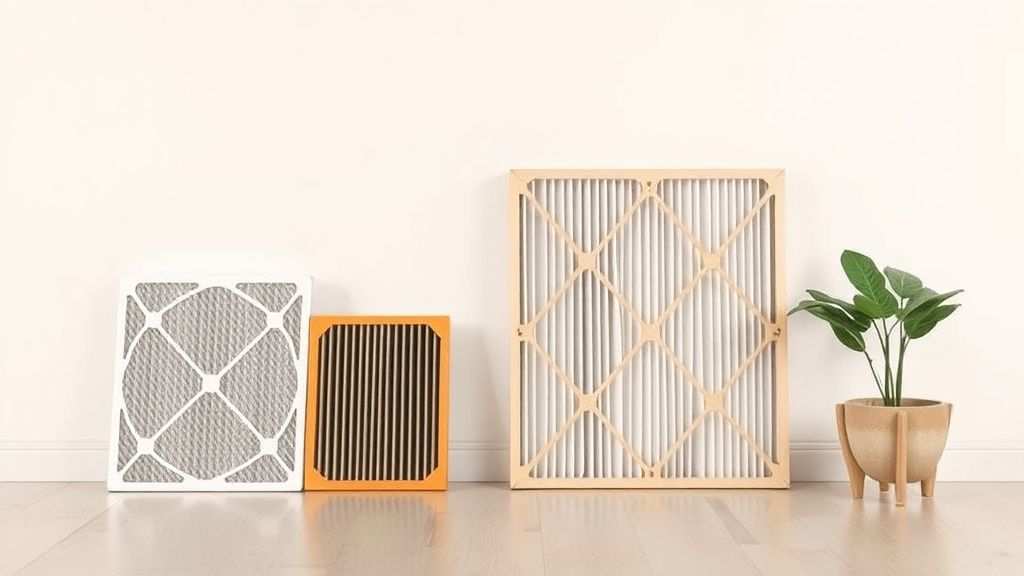
The Importance of Air Filtration for Respiratory Health
Indoor air quality plays a critical role in maintaining respiratory health, especially as many people spend the majority of their time indoors. Poor air quality can exacerbate allergies, asthma, and other respiratory conditions, while also contributing to long-term health issues. Air filtration systems, including HVAC and furnace filters, as well as standalone air purifiers, are essential tools for ensuring clean indoor air. Understanding how these systems work and selecting the right products can make a significant difference in your health and comfort.
How Air Filters Impact Respiratory Health
Phone cases · Sponsored · 15% off first order
Phone Case Gift — They pick the model · 2 minutes Code FIRST15GIFT
Airborne pollutants such as dust, pollen, pet dander, mold spores, and bacteria can irritate the respiratory system and lead to health problems. For individuals with asthma or allergies, exposure to these particles can trigger symptoms like coughing, wheezing, and shortness of breath. Long-term exposure to indoor air pollutants has also been linked to more serious conditions, including chronic obstructive pulmonary disease (COPD) and cardiovascular issues.
Air filters trap these harmful particles, preventing them from circulating in your home. By reducing the concentration of pollutants, air filters help create a healthier indoor environment, minimizing respiratory irritation and improving overall lung function.
Types of Air Filtration Systems
HVAC and Furnace Filters
Your HVAC system is the first line of defense against indoor air pollution. HVAC and furnace filters are designed to capture particles as air circulates through the system. These filters vary in efficiency, which is measured by their Minimum Efficiency Reporting Value (MERV) rating.
- MERV 1-4: Basic filters that capture larger particles like dust and lint. These are often found in older systems but are not sufficient for improving respiratory health.
- MERV 5-8: Mid-range filters that trap smaller particles, including mold spores and pet dander. These are suitable for most homes.
- MERV 9-12: High-efficiency filters that capture finer particles, such as pollen and bacteria. These are ideal for households with allergy or asthma sufferers.
- MERV 13-16: Hospital-grade filters that can trap even smaller particles, including smoke and viruses. These are often used in specialized settings but can be installed in residential systems with proper compatibility.
It’s important to note that higher MERV ratings can restrict airflow if your HVAC system isn’t designed to handle them. Always consult your system’s specifications before upgrading.
Standalone Air Purifiers
For targeted air cleaning, standalone air purifiers are an excellent option. These devices use fans to draw in air and pass it through one or more filters. Common types include:
- HEPA Filters: High-Efficiency Particulate Air (HEPA) filters capture 99.97% of particles as small as 0.3 microns, including allergens, bacteria, and viruses. These are highly effective for improving respiratory health.
- Activated Carbon Filters: These filters specialize in removing odors, gases, and volatile organic compounds (VOCs) from the air, which can also irritate the respiratory system.
- UV-C Air Purifiers: These devices use ultraviolet light to kill bacteria and viruses, adding an extra layer of protection against airborne pathogens.
Air purifiers are particularly useful in bedrooms, living rooms, or other spaces where you spend a lot of time.
Whole-House Air Purification Systems
For comprehensive air cleaning, whole-house air purification systems integrate with your HVAC system to filter air throughout your home. These systems often combine HEPA filtration, activated carbon, and UV-C technology to address a wide range of pollutants. While more expensive than standalone purifiers, they provide consistent air quality in every room.
Benefits of Proper Air Filtration
Phone cases · Sponsored · 15% off first order
Titan Case — Precision fit · 2,000+ designs Code FIRST15TIT
- Reduced Allergens and Irritants: By capturing pollen, dust, and pet dander, air filters minimize triggers for allergies and asthma.
- Improved Lung Function: Cleaner air reduces the strain on your respiratory system, making it easier to breathe.
- Protection Against Pathogens: High-efficiency filters and UV-C purifiers can reduce the presence of bacteria and viruses in your home.
- Odor Elimination: Activated carbon filters remove unpleasant odors from cooking, pets, and chemicals, creating a fresher indoor environment.
- Long-Term Health Benefits: Consistent air filtration can lower the risk of developing chronic respiratory conditions over time.
What to Look for in Air Filtration Products
When selecting air filters or purifiers, consider the following factors:
- MERV Rating: Choose a filter with a MERV rating appropriate for your HVAC system and your household’s needs.
- Filter Type: For standalone purifiers, look for HEPA filters for particle removal or activated carbon filters for odor control.
- Room Size: Ensure the air purifier is rated for the size of the room where it will be used.
- Maintenance: Check how often filters need to be replaced and the associated costs.
- Compatibility: For HVAC filters, confirm that the filter size and efficiency are compatible with your system.
Maintaining Your Air Filtration System
Phone cases · Sponsored · 15% off first order
Phone Cases For Charity — Every case supports a cause Code GIVE10To ensure optimal performance, regularly replace or clean your air filters according to the manufacturer’s recommendations. For HVAC systems, this typically means changing filters every 1-3 months, depending on usage and the type of filter. Standalone air purifiers often require filter replacements every 6-12 months.
Additionally, schedule routine maintenance for your HVAC system to prevent airflow issues and ensure your air filtration system operates efficiently.
Conclusion
Investing in quality air filtration is an investment in your respiratory health. Whether you rely on HVAC filters, standalone air purifiers, or a whole-house system, choosing the right products can significantly improve your indoor air quality. By understanding MERV ratings, filter types, and maintenance requirements, you can create a cleaner, healthier home environment for yourself and your family. Prioritize air filtration today to breathe easier tomorrow.
Our picks worth a closer look
- Filtrete 16x25x1 AC Furnace Air Filter, MPR 1000 MERV 11Check on Amazon → — see current price and specs.