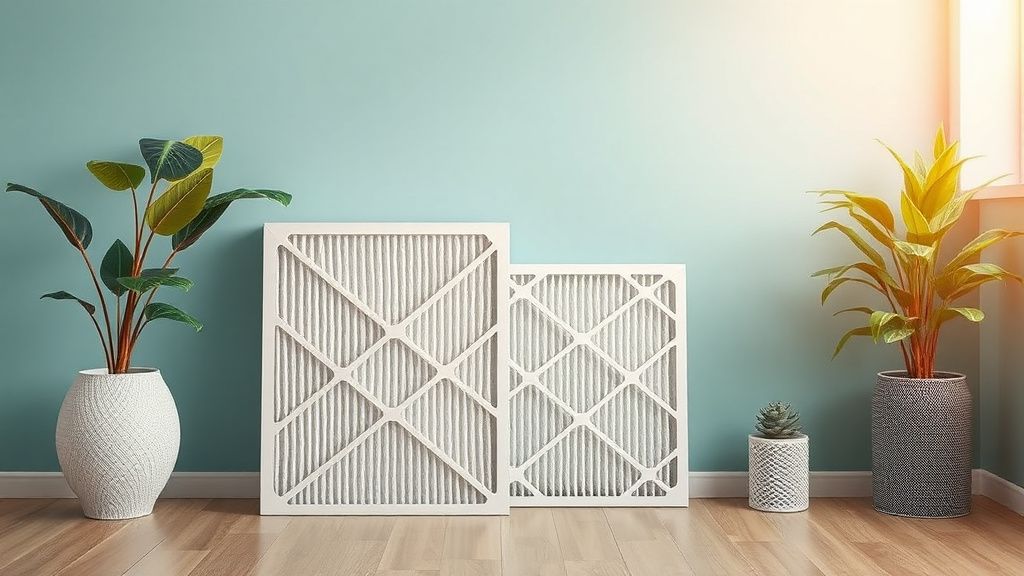
The Ultimate Guide to Furnace Filter Sizes: Find the Perfect Fit
Why Furnace Filter Size Matters
Choosing the right furnace filter size is critical for maintaining indoor air quality and HVAC efficiency. A poorly fitting filter can allow dust, allergens, and debris to bypass the system, reducing air quality and forcing your furnace to work harder. Conversely, a correctly sized filter ensures optimal airflow, better filtration, and lower energy bills.
Furnace filters are measured by their nominal size (rounded for labeling) and actual size (exact dimensions). Always check both to avoid gaps or forced fits.
Common Furnace Filter Sizes
Phone cases · Sponsored · 15% off first order
Phone Case Gift — They pick the model · 2 minutes Code FIRST15GIFT
Furnace filters come in standard sizes, but variations exist depending on the HVAC system. The most common sizes include:
- 16x20x1 – A popular size for residential systems, ideal for single-story homes.
- 20x25x1 – Often used in larger homes with higher airflow needs.
- 16x25x1 – A versatile size found in many mid-sized HVAC systems.
- 20x20x1 – Common in apartments and smaller homes.
- 25x25x1 – Used in systems requiring higher airflow capacity.
Thicker filters (e.g., 16x25x4 or 20x25x5) are also available for high-efficiency systems, offering better filtration with less frequent replacements.
How to Measure Your Furnace Filter
If you’re unsure of your filter size, follow these steps:
- Turn off the HVAC system for safety.
- Remove the existing filter and check for printed dimensions.
- Measure the filter slot (length x width x depth) if no filter is present.
- Compare nominal vs. actual size—most filters are slightly smaller than labeled (e.g., a “16x20x1” may measure 15.5x19.5x0.75).
If your system uses a non-standard size, consider custom filters or a filter retrofit kit.
Types of Furnace Filters
Phone cases · Sponsored · 15% off first order
Titan Case — Precision fit · 2,000+ designs Code FIRST15TIT
Fiberglass Filters
- Pros: Low-cost, disposable, minimal airflow resistance.
- Cons: Poor filtration (typically MERV 1-4), only captures large particles.
- Best for: Homes with minimal air quality concerns.
Pleated Filters
- Pros: Better filtration (MERV 8-13), traps dust, pollen, and pet dander.
- Cons: Slightly higher airflow resistance, needs regular replacement.
- Best for: Most households with moderate air quality needs.
Electrostatic Filters
- Pros: Self-charging fibers attract particles, reusable (washable versions available).
- Cons: Higher upfront cost, may lose efficiency if not cleaned properly.
- Best for: Allergy sufferers or those wanting a reusable option.
HEPA Filters
- Pros: Exceptional filtration (MERV 17+), removes 99.97% of particles.
- Cons: Requires a compatible HVAC system, restricts airflow if not designed for it.
- Best for: Homes with severe allergies or asthma.
What to Look for in a Furnace Filter
-
MERV Rating – Choose based on your air quality needs:
- MERV 1-4: Basic dust protection.
- MERV 8-13: Good for allergens and general use.
- MERV 14+: Best for medical-grade filtration (check HVAC compatibility).
-
Filter Thickness – Thicker filters (4-5 inches) last longer and improve filtration without restricting airflow as much as thin filters.
-
Compatibility – Ensure the filter fits snugly without bending or gaps.
-
Replacement Frequency – Check manufacturer recommendations (typically 1-3 months for standard filters).
Troubleshooting Filter Fit Issues
Phone cases · Sponsored · 15% off first order
Phone Cases For Charity — Every case supports a cause Code GIVE10- Filter Too Small – Air bypasses the filter, reducing efficiency. Use a filter with the correct actual size or install a spacer.
- Filter Too Large – May bend or restrict airflow. Trim or replace with the proper size.
- Airflow Problems – If your system struggles after installing a high-MERV filter, consider a lower rating or a filter with higher airflow compatibility.
Final Tips for Maintaining Your Furnace Filter
- Check monthly for dirt buildup.
- Replace on schedule—don’t wait until it’s clogged.
- Upgrade wisely—higher MERV isn’t always better if your system can’t handle it.
By selecting the right furnace filter size and type, you’ll improve air quality, extend HVAC life, and save on energy costs. Always double-check measurements and consult your HVAC manual if unsure.
Our picks worth a closer look
- Filtrete 16x25x1 AC Furnace Air Filter, MPR 1000 MERV 11Check on Amazon → — see current price and specs.
- Filtrete Healthy Living Ultra Allergen 16x25x1, MERV 13Check on Amazon → — see current price and specs.
- GE MWF Refrigerator Water FilterCheck on Amazon → — see current price and specs.
- Extra Deep Queen Sheet Set - 6 Piece Breathable and Cooling Sheets - Hotel LuxurCheck on Amazon → — see current price and specs.