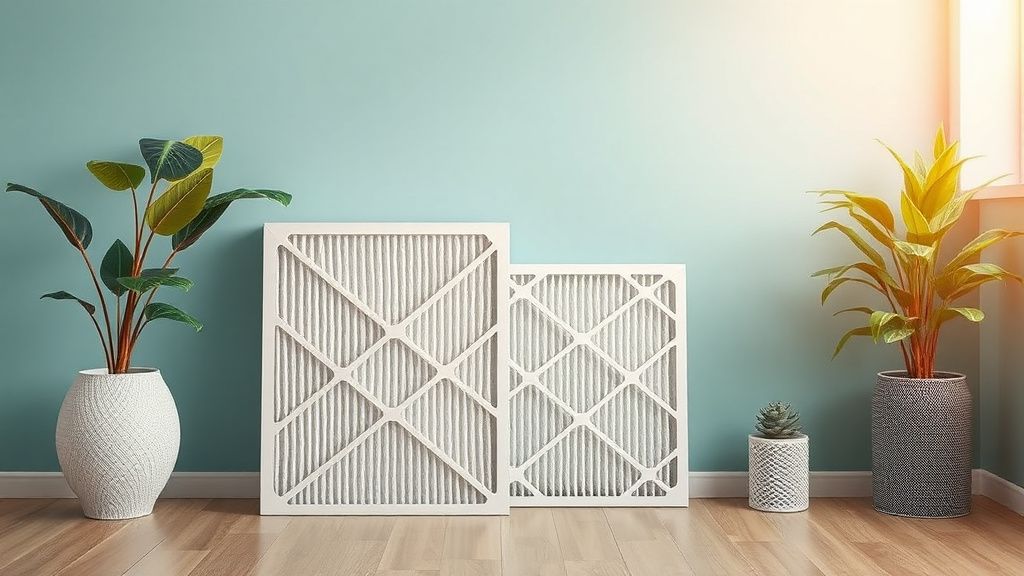
Understanding Home Air Quality
Indoor air quality is a critical aspect of maintaining a healthy living environment. Poor air quality can lead to respiratory issues, allergies, and other health problems. Common pollutants include dust, pollen, pet dander, mold spores, and volatile organic compounds (VOCs) from household products. To combat these issues, homeowners can use a combination of air filters, purifiers, and proper ventilation systems.
The Role of HVAC Filters
Phone cases · Sponsored · 15% off first order
Phone Case Gift — They pick the model · 2 minutes Code FIRST15GIFT
HVAC (Heating, Ventilation, and Air Conditioning) systems play a pivotal role in maintaining indoor air quality. The filters within these systems trap airborne particles, preventing them from circulating throughout your home.
MERV Ratings Explained
MERV (Minimum Efficiency Reporting Value) ratings are used to measure the effectiveness of air filters. The scale ranges from 1 to 20, with higher numbers indicating better filtration. Here’s a quick breakdown:
- MERV 1-4: Basic filters that capture large particles like dust and lint. Suitable for protecting HVAC equipment but not ideal for air quality.
- MERV 5-8: Standard filters that capture smaller particles such as mold spores and pet dander. Good for general use.
- MERV 9-12: Higher efficiency filters that trap even smaller particles, including some bacteria and smoke. Ideal for homes with allergy sufferers.
- MERV 13-16: High-efficiency filters that capture fine particles like viruses and smoke. Often used in hospitals and cleanrooms but can be installed in homes for superior air quality.
Types of HVAC Filters
- Fiberglass Filters: Inexpensive and disposable, these filters have low MERV ratings and are best for basic protection.
- Pleated Filters: Made from polyester or cotton, these filters have higher MERV ratings and are more effective at capturing smaller particles.
- Electrostatic Filters: These use static electricity to attract and trap particles. They can be washable or disposable and offer good filtration efficiency.
- HEPA Filters: While not typically used in standard HVAC systems, HEPA filters can be added for superior air quality. They capture 99.97% of particles as small as 0.3 microns.
Air Purifiers: Enhancing Air Quality
Air purifiers are standalone devices designed to remove contaminants from the air. They are particularly useful in rooms where HVAC systems may not reach or for individuals with severe allergies or asthma.
Types of Air Purifiers
- HEPA Air Purifiers: These use HEPA filters to capture particles like pollen, dust mites, and pet dander. They are highly effective for allergy sufferers.
- Activated Carbon Filters: These filters are excellent for removing odors, smoke, and VOCs. They are often used in conjunction with HEPA filters.
- UV Air Purifiers: These use ultraviolet light to kill bacteria, viruses, and mold spores. They are effective against microorganisms but do not remove particles.
- Ionic Air Purifiers: These release negative ions to attract and neutralize airborne particles. However, they can produce ozone, which may be harmful.
Ventilation: Fresh Air Matters
Phone cases · Sponsored · 15% off first order
Titan Case — Precision fit · 2,000+ designs Code FIRST15TIT
Proper ventilation is essential for maintaining good indoor air quality. It helps to remove stale air and bring in fresh outdoor air, reducing the concentration of indoor pollutants.
Types of Ventilation Systems
- Natural Ventilation: This involves opening windows and doors to allow air to circulate. While simple, it is not always practical in extreme weather conditions.
- Mechanical Ventilation: This includes systems like exhaust fans and HRVs (Heat Recovery Ventilators) or ERVs (Energy Recovery Ventilators). These systems actively exchange indoor and outdoor air while conserving energy.
- Whole-House Ventilation Systems: These systems are integrated into your HVAC system and provide continuous ventilation throughout your home.
What to Look For
When selecting products to improve your home’s air quality, consider the following:
- MERV Rating: Choose a filter with a MERV rating appropriate for your needs. Higher MERV ratings offer better filtration but may restrict airflow if your HVAC system is not designed for them.
- Filter Type: Decide between disposable, washable, or electrostatic filters based on your maintenance preferences and budget.
- Air Purifier Features: Look for purifiers with HEPA filters for particle removal and activated carbon filters for odor control. Consider additional features like UV lights or ionizers if needed.
- Ventilation Needs: Assess your home’s ventilation requirements. If you live in a tightly sealed home, consider a mechanical or whole-house ventilation system.
- Maintenance: Ensure you can maintain the products you choose. Regularly replace or clean filters to maintain efficiency.
By following this checklist, you can create a comprehensive strategy to improve your home’s air quality, ensuring a healthier and more comfortable living environment.
Our picks worth a closer look
Phone cases · Sponsored · 15% off first order
Phone Cases For Charity — Every case supports a cause Code GIVE10- Filtrete 16x25x1 AC Furnace Air Filter, MPR 1000 MERV 11Check on Amazon → — see current price and specs.
- Utopia Bedding Bed Pillows for Sleeping Queen Size (Blue), Set of 6, Cooling HotCheck on Amazon → — see current price and specs.