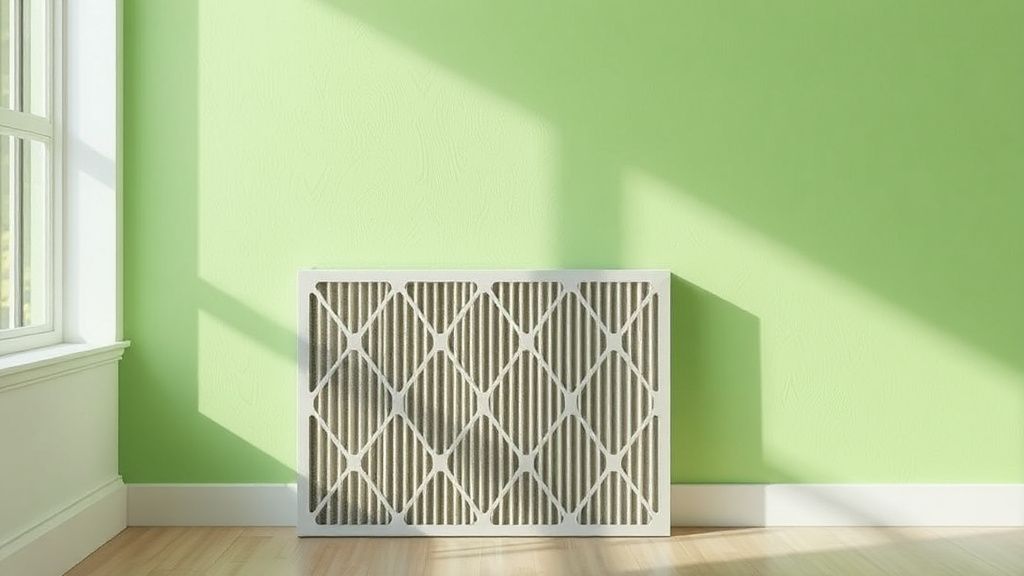
What Are MERV Ratings?
MERV stands for Minimum Efficiency Reporting Value, a standardized scale used to rate the effectiveness of air filters in capturing airborne particles. Developed by the American Society of Heating, Refrigerating, and Air-Conditioning Engineers (ASHRAE), the MERV scale ranges from 1 to 20, with higher numbers indicating greater filtration efficiency. Understanding MERV ratings is essential for selecting the right air filter for your HVAC system, ensuring better indoor air quality and system performance.
How Do MERV Ratings Work?
Phone cases · Sponsored · 15% off first order
Phone Case Gift — They pick the model · 2 minutes Code FIRST15GIFT
MERV ratings measure a filter’s ability to trap particles of varying sizes. The scale is divided into categories based on the size of particles the filter can capture:
- MERV 1-4: These filters capture large particles like dust mites, pollen, and carpet fibers. They are basic filters often found in older HVAC systems.
- MERV 5-8: These filters capture smaller particles such as mold spores and pet dander. They are commonly used in residential settings.
- MERV 9-12: These filters are more efficient, capturing finer particles like fine dust and auto emissions. They are suitable for homes with allergy sufferers.
- MERV 13-16: These high-efficiency filters capture even smaller particles, including bacteria and smoke. They are often used in hospitals and commercial buildings.
- MERV 17-20: These are HEPA-grade filters, capturing the smallest particles like viruses and combustion smoke. They are typically used in cleanrooms and laboratories.
Choosing the Right MERV Rating for Your Home
Selecting the right MERV rating depends on your specific needs and HVAC system capabilities. Here’s a breakdown:
For Basic Filtration (MERV 1-8)
If your primary concern is protecting your HVAC system from large debris and improving general air quality, a MERV 1-8 filter is sufficient. These filters are affordable and allow for good airflow, reducing strain on your system.
For Allergy Relief (MERV 9-12)
For households with allergy or asthma sufferers, a MERV 9-12 filter is recommended. These filters capture smaller allergens like pollen, mold spores, and pet dander, providing better air quality without significantly restricting airflow.
For High-Efficiency Needs (MERV 13-16)
If you need superior filtration for fine particles like smoke or bacteria, a MERV 13-16 filter is ideal. However, these filters may restrict airflow more than lower MERV-rated filters, so ensure your HVAC system can handle the increased resistance.
For HEPA-Level Filtration (MERV 17-20)
While MERV 17-20 filters offer the highest level of filtration, they are rarely used in residential HVAC systems due to their extremely high resistance to airflow. Instead, standalone HEPA air purifiers are often a better option for achieving this level of filtration.
The Impact of MERV Ratings on HVAC Systems
Phone cases · Sponsored · 15% off first order
Titan Case — Precision fit · 2,000+ designs Code FIRST15TIT
While higher MERV-rated filters provide better air quality, they can also place more strain on your HVAC system. Filters with higher MERV ratings have denser material, which restricts airflow and can reduce system efficiency. This can lead to increased energy consumption, higher utility bills, and potential damage to your HVAC system if it’s not designed to handle high-efficiency filters.
To avoid these issues, always check your HVAC system’s specifications before upgrading to a higher MERV-rated filter. Some systems are designed to accommodate MERV 13-16 filters, while others may only handle up to MERV 8.
Types of Air Filters and Their MERV Ratings
Different types of air filters are available, each with its own MERV range and unique features:
Fiberglass Filters (MERV 1-4)
These disposable filters are made of layered fiberglass fibers and are the most basic and affordable option. They are effective at capturing large particles but offer minimal protection against smaller allergens.
Pleated Filters (MERV 5-13)
Pleated filters are made of polyester or cotton folds, providing a larger surface area for trapping particles. They are more efficient than fiberglass filters and are a popular choice for residential use.
Electrostatic Filters (MERV 8-10)
These filters use static electricity to attract and trap particles. They are washable and reusable, making them an eco-friendly option. However, their effectiveness can diminish over time.
HEPA Filters (MERV 17-20)
HEPA filters are the gold standard for air filtration, capturing 99.97% of particles as small as 0.3 microns. While they are not typically used in standard HVAC systems, they are ideal for standalone air purifiers.
What to Look for When Choosing an Air Filter
Phone cases · Sponsored · 15% off first order
Phone Cases For Charity — Every case supports a cause Code GIVE10When selecting an air filter, consider the following factors:
- Your Air Quality Needs: Determine the level of filtration required based on your household’s health concerns and environmental factors.
- HVAC System Compatibility: Check your system’s specifications to ensure it can handle the MERV rating you’re considering.
- Filter Lifespan: Higher MERV-rated filters may clog faster, requiring more frequent replacements.
- Cost: Balance the initial cost of the filter with long-term benefits and replacement frequency.
- Airflow Impact: Higher MERV ratings can restrict airflow, so choose a filter that balances efficiency with system performance.
By understanding MERV ratings and their implications, you can make an informed decision about the best air filter for your home, improving both air quality and HVAC efficiency.
Our picks worth a closer look
- Filtrete Healthy Living Ultra Allergen 16x25x1, MERV 13Check on Amazon → — see current price and specs.
- Filtrete 16x25x1 AC Furnace Air Filter, MPR 1000 MERV 11Check on Amazon → — see current price and specs.