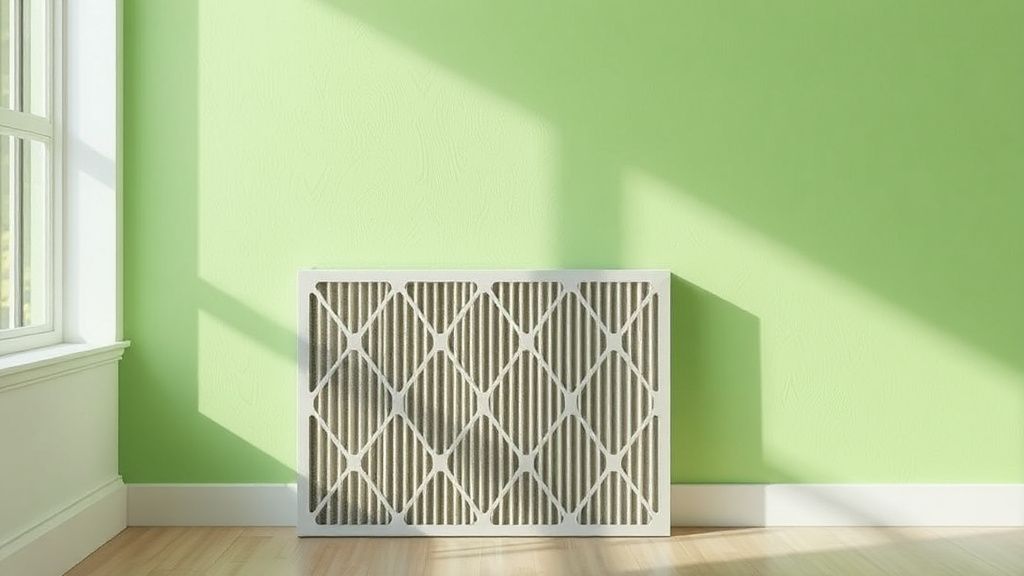
Understanding Pressure Drop: Why It Matters for Your Air Filter
When selecting an air filter for your HVAC system or furnace, most homeowners focus on factors like MERV ratings, filtration efficiency, and cost. However, one critical but often overlooked factor is pressure drop. This measurement can significantly impact your system’s performance, energy efficiency, and even the lifespan of your equipment.
In this guide, we’ll explain what pressure drop is, why it matters, and how to choose an air filter that balances filtration efficiency with optimal airflow.
What Is Pressure Drop?
Phone cases · Sponsored · 15% off first order
Phone Case Gift — They pick the model · 2 minutes Code FIRST15GIFT
Pressure drop refers to the resistance an air filter creates as air flows through it. When your HVAC system pushes air through the filter, the filter’s material and density slow down the airflow, creating a pressure difference between the upstream (before the filter) and downstream (after the filter) sides.
This resistance is measured in inches of water column (in. w.c.) or Pascals (Pa). A higher pressure drop means your system has to work harder to push air through, which can lead to several issues.
Why Pressure Drop Matters
1. Energy Efficiency
When your HVAC system encounters high resistance from a restrictive filter, it consumes more energy to maintain airflow. Over time, this can lead to:
- Higher electricity bills
- Increased wear on the blower motor
- Reduced system efficiency
2. System Performance
A clogged or overly restrictive filter can cause:
- Reduced airflow, leading to uneven heating or cooling
- Increased strain on the blower, potentially shortening its lifespan
- Poor indoor air quality if airflow is too weak to circulate air effectively
3. Filter Longevity
Filters with a high initial pressure drop (like dense HEPA or high-MERV filters) may clog faster, requiring more frequent replacements. Conversely, a filter with too low a pressure drop (like a cheap fiberglass filter) may not capture enough contaminants.
How Different Filters Affect Pressure Drop
Phone cases · Sponsored · 15% off first order
Titan Case — Precision fit · 2,000+ designs Code FIRST15TIT
Not all air filters create the same resistance. Here’s how common types compare:
1. Fiberglass Filters (Low MERV 1-4)
- Pressure Drop: Very low
- Pros: Minimal airflow restriction, inexpensive
- Cons: Poor filtration (only captures large particles like dust)
2. Pleated Filters (MERV 8-13)
- Pressure Drop: Moderate
- Pros: Better particle capture (dust, pollen, mold spores)
- Cons: Higher initial resistance than fiberglass, may need more frequent changes
3. High-Efficiency Filters (MERV 14-16 & HEPA)
- Pressure Drop: High
- Pros: Excellent filtration (fine particles, bacteria, smoke)
- Cons: Can strain HVAC systems not designed for them, may require system modifications
4. Electrostatic & Washable Filters
- Pressure Drop: Varies (low when clean, increases as they load)
- Pros: Reusable, eco-friendly
- Cons: May not maintain consistent airflow over time
How to Measure and Monitor Pressure Drop
HVAC professionals use a manometer to measure pressure drop, but homeowners can watch for signs of excessive resistance:
- Weak airflow from vents
- Longer heating/cooling cycles
- Increased energy bills
- Filter appears dirty quickly
If your system struggles with a high-MERV filter, consider:
- Switching to a MERV 8-11 pleated filter (a good balance for most homes)
- Checking if your HVAC can handle a 4-5” thick filter (thicker filters have more surface area, reducing pressure drop)
- Installing a bypass or secondary filter system if you need high filtration without overworking the main unit
What to Look for in an Air Filter
Phone cases · Sponsored · 15% off first order
Phone Cases For Charity — Every case supports a cause Code GIVE10When shopping for an air filter, consider these factors to minimize pressure drop while maintaining good filtration:
✅ MERV Rating – For most homes, MERV 8-11 offers a good balance of filtration and airflow.
✅ Filter Thickness – 4-5” filters have lower pressure drop than 1” filters.
✅ Pleat Design – Deep pleats increase surface area, reducing resistance.
✅ Synthetic Media – Some filters use advanced materials to maintain airflow while capturing fine particles.
✅ Manufacturer’s Pressure Drop Rating – Check product specs for initial and final resistance values.
Final Thoughts
Pressure drop is a crucial factor in maintaining HVAC efficiency and indoor air quality. While high-MERV filters offer superior filtration, they may not be suitable for all systems. Always check your HVAC manufacturer’s recommendations and consider a professional assessment if you’re unsure.
By choosing the right filter for your system, you can enjoy cleaner air without sacrificing performance or energy efficiency.
Our picks worth a closer look
- Filtrete 16x25x1 AC Furnace Air Filter, MPR 1000 MERV 11Check on Amazon → — see current price and specs.
- GE MWF Refrigerator Water FilterCheck on Amazon → — see current price and specs.