The Basics of HVAC Filters and Air Purifiers
When it comes to improving indoor air quality, HVAC filters and air purifiers are two common solutions. While both aim to remove contaminants from the air, they serve different purposes and function in distinct ways. Understanding their differences can help you choose the right solution for your home.
What Are HVAC Filters?
HVAC filters are designed to protect your heating, ventilation, and air conditioning (HVAC) system by trapping particles like dust, pollen, and pet dander before they enter the system. They are typically installed in the return air duct or furnace and are essential for maintaining the efficiency and longevity of your HVAC equipment.
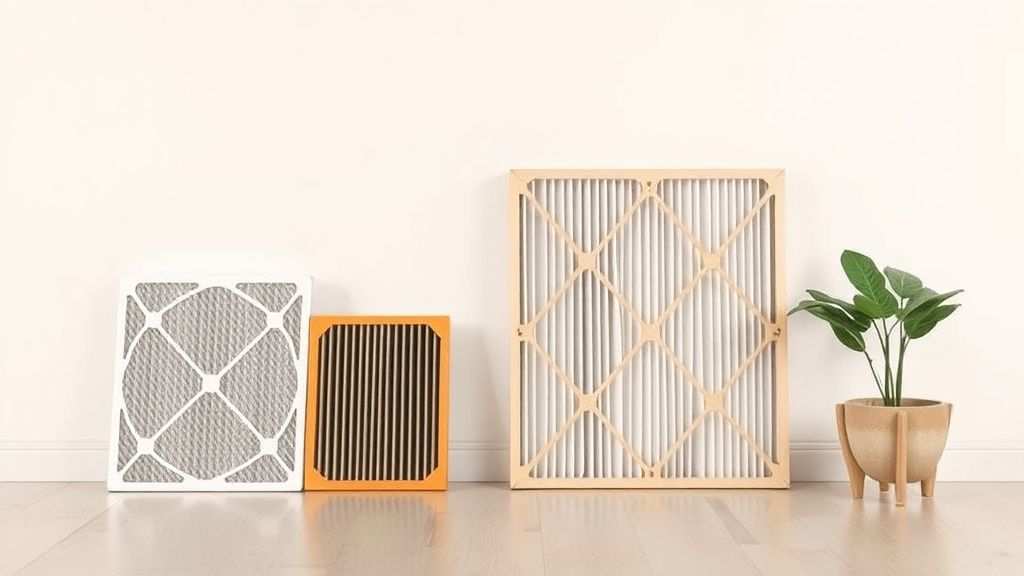
These filters come in various types, including fiberglass, pleated, and electrostatic filters. Fiberglass filters are the most basic, capturing larger particles but offering minimal protection for your HVAC system. Pleated filters, made from polyester or cotton paper, have a larger surface area and can trap smaller particles. Electrostatic filters use static electricity to attract and capture particles, making them reusable and more efficient.
What Are Air Purifiers?
Air purifiers, on the other hand, are standalone devices designed to clean the air in a specific room or area. They use fans to draw air through one or more filters, capturing pollutants like allergens, mold spores, and even odors. Some air purifiers also include additional technologies, such as UV-C light or ionizers, to neutralize bacteria and viruses.
There are several types of air purifiers, including HEPA (High-Efficiency Particulate Air) purifiers, activated carbon purifiers, and ionizers. HEPA purifiers are the most effective, capturing 99.97% of particles as small as 0.3 microns. Activated carbon purifiers excel at removing odors and volatile organic compounds (VOCs), while ionizers release charged particles that attach to airborne contaminants, causing them to settle on surfaces.
Key Differences Between HVAC Filters and Air Purifiers
Phone cases · Sponsored · 15% off first order
Phone Case Gift — They pick the model · 2 minutes Code FIRST15GIFT
Functionality
HVAC filters primarily protect your HVAC system from debris, while air purifiers focus on improving indoor air quality by removing pollutants directly from the air. HVAC filters are passive, relying on the system’s airflow to capture particles. Air purifiers are active, using built-in fans to circulate and clean the air.
Coverage
HVAC filters clean the air throughout your entire home as it passes through the system. However, their effectiveness depends on the HVAC system’s usage and the filter’s MERV (Minimum Efficiency Reporting Value) rating. Air purifiers, in contrast, are designed for localized use and are ideal for targeting specific areas, such as bedrooms or living rooms.
Maintenance
HVAC filters require regular replacement, typically every 1-3 months, depending on the filter type and usage. Air purifiers also need filter replacements, but the frequency varies by model and usage. Some air purifiers have washable or reusable filters, reducing long-term costs.
Cost
HVAC filters are generally more affordable upfront, with prices ranging from a few dollars for basic fiberglass filters to $20 or more for high-efficiency pleated filters. Air purifiers can be a larger investment, often costing $100 to $500 or more, depending on the features and technology.
Understanding MERV Ratings for HVAC Filters
MERV ratings indicate the efficiency of HVAC filters in trapping particles. The scale ranges from 1 to 16, with higher numbers representing better filtration. Here’s a breakdown:
- MERV 1-4: Basic filters that capture large particles like dust and lint.
- MERV 5-8: Mid-range filters suitable for most homes, capturing smaller particles like mold spores and pet dander.
- MERV 9-12: High-efficiency filters that trap even smaller particles, including fine dust and auto emissions.
- MERV 13-16: Superior filters used in hospitals and cleanrooms, capturing bacteria and smoke particles.
While higher MERV ratings offer better filtration, they can also restrict airflow if your HVAC system isn’t designed to handle them. Always check your system’s specifications before upgrading to a higher MERV filter.
Types of Air Purifiers and Their Features
Phone cases · Sponsored · 15% off first order
Titan Case — Precision fit · 2,000+ designs Code FIRST15TIT
HEPA Purifiers
HEPA purifiers are the gold standard for air purification, effectively removing allergens, dust, and other airborne particles. They are ideal for households with allergy sufferers or pets.
Activated Carbon Purifiers
These purifiers use activated carbon to absorb odors, smoke, and VOCs. They are often paired with HEPA filters to provide comprehensive air cleaning.
Ionizers
Ionizers release negatively charged ions that attach to airborne particles, causing them to settle. While effective, they may produce trace amounts of ozone, which can be harmful to some individuals.
UV-C Purifiers
UV-C purifiers use ultraviolet light to kill bacteria, viruses, and mold spores. They are often used in conjunction with other filtration methods for added protection.
What to Look for When Choosing HVAC Filters or Air Purifiers
For HVAC Filters:
- MERV Rating: Choose a filter with a MERV rating appropriate for your HVAC system and air quality needs.
- Filter Type: Consider pleated or electrostatic filters for better efficiency.
- Replacement Frequency: Opt for filters that balance cost and replacement frequency.
For Air Purifiers:
- Room Size: Ensure the purifier is rated for the size of the room you intend to use it in.
- Filter Type: HEPA purifiers are ideal for allergens, while activated carbon is best for odors.
- Additional Features: Look for features like UV-C light or washable filters if needed.
By understanding the differences between HVAC filters and air purifiers, you can make an informed decision to improve your home’s air quality and protect your HVAC system.
Our picks worth a closer look
Phone cases · Sponsored · 15% off first order
Phone Cases For Charity — Every case supports a cause Code GIVE10- Filtrete 16x25x1 AC Furnace Air Filter, MPR 1000 MERV 11Check on Amazon → — see current price and specs.
- Filtrete Healthy Living Ultra Allergen 16x25x1, MERV 13Check on Amazon → — see current price and specs.